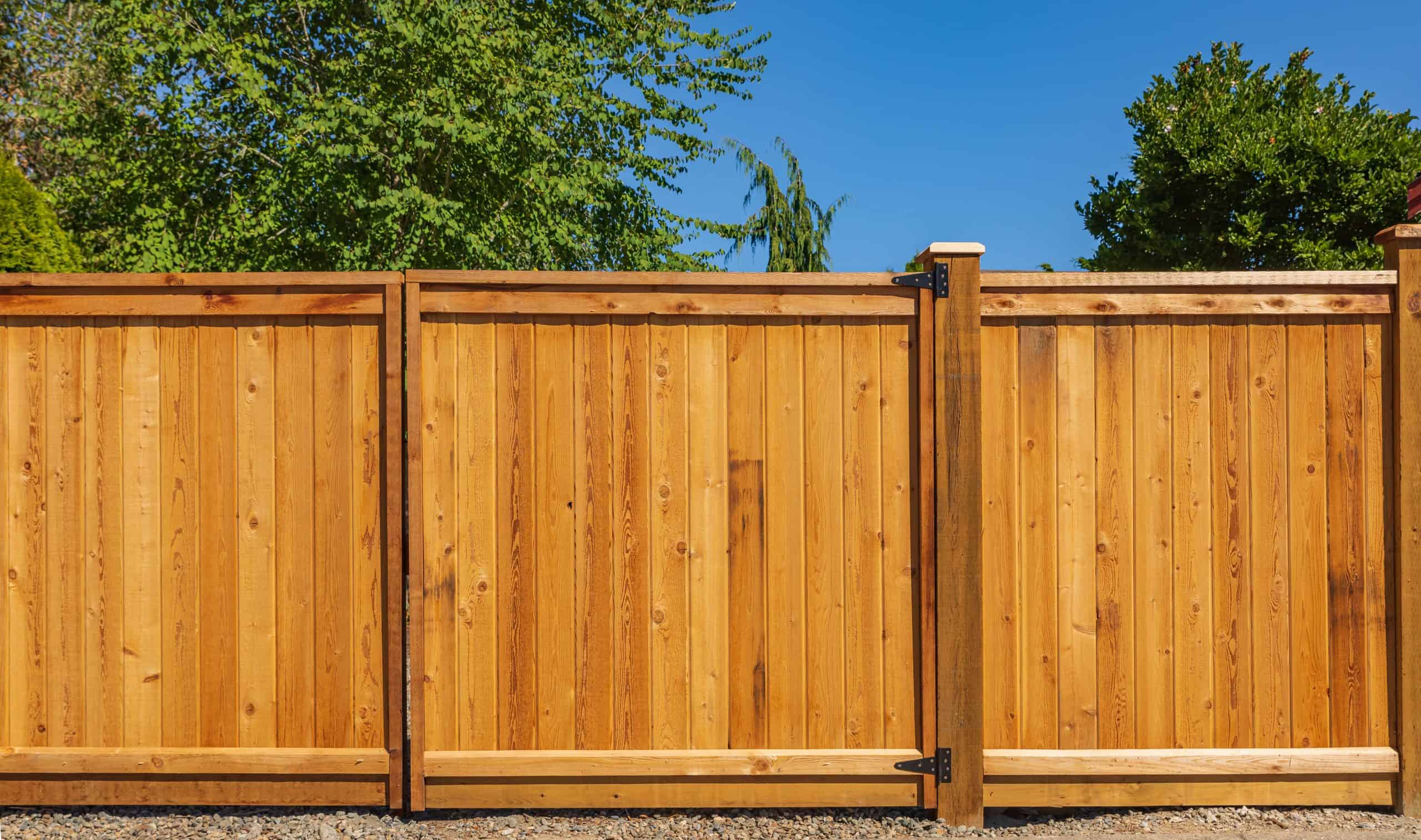
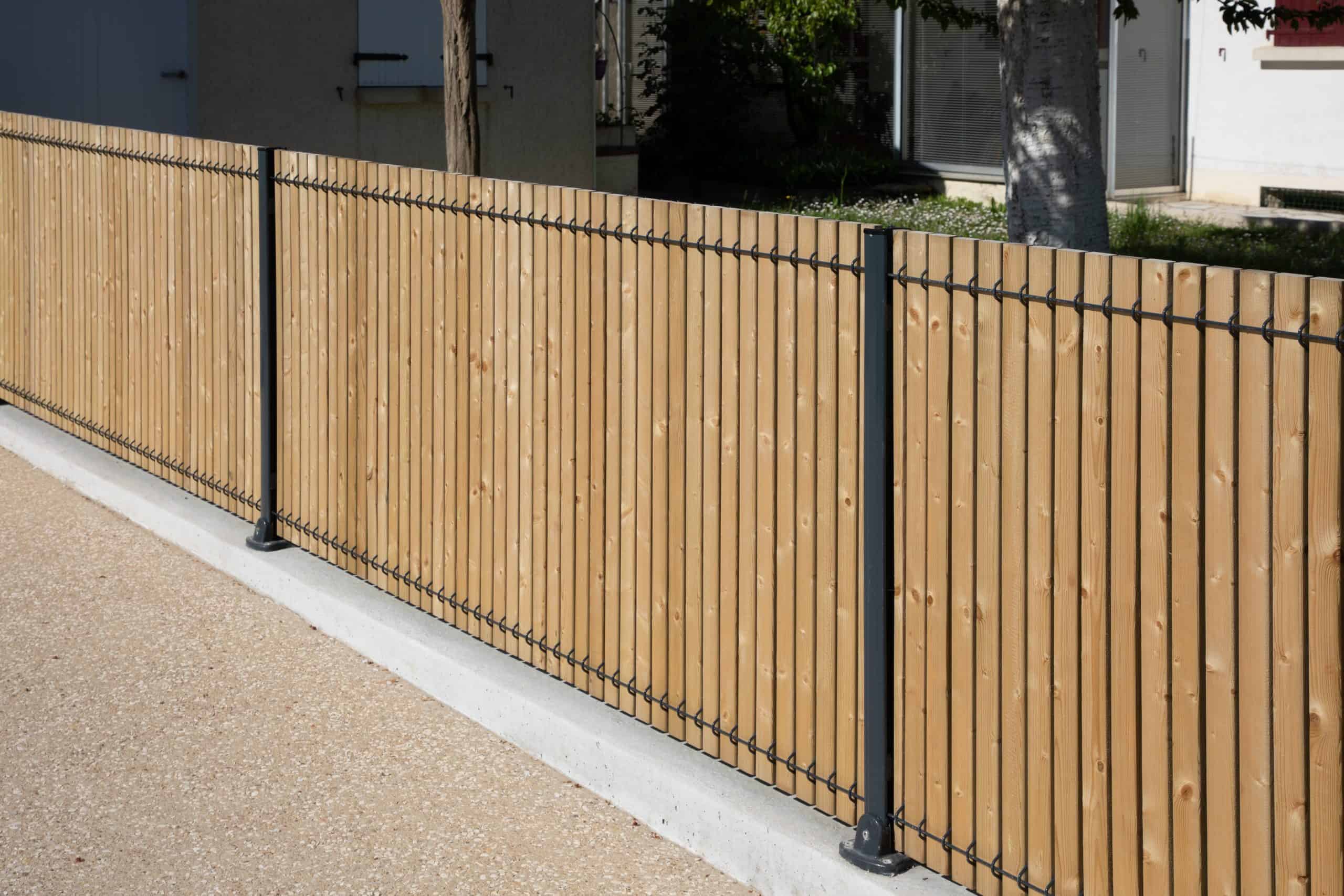
You’re not just blocking the view from next door. You’re creating a space where your kids can play without you watching the gate every second. Where your dog can run without you worrying about the gap at the bottom corner. Where you can sit outside without performing for the neighbors.
A well-built wood fence installation in North Orange, FL does all that while standing up to the heat, humidity, and hurricane-force winds that tear through Central Florida every year. But only if it’s built right from the start.
Most fences around here are assembled from pre-built panels—thin pickets, minimal fasteners, materials that warp before you’ve even finished staining them. We custom stick-build every wood privacy fence on-site using full-size pressure treated materials. That means the fence rolls with your terrain instead of stair-stepping down slopes and leaving gaps. It means posts sunk deep enough to meet Orange County wind load requirements. It means you’re not calling us back in six months because the boards are already twisting.
We’ve been installing fences in Central Florida since 2004, with roots in the industry going back to 1992 in Atlanta. We’re licensed, bonded, and insured, and we’ve built our reputation on doing the work right the first time—not the fastest or the cheapest, but the way it should be done.
We handle the permit process for you, whether it’s Orange County or your local municipality. We know the height restrictions, the setback rules from lake lines, and the HOA approval requirements that can hold up your project if you don’t get them handled upfront. You shouldn’t have to become an expert in fence codes just to get privacy in your own yard.
North Orange homeowners deal with specific challenges—soil conditions, drainage issues, and the same hurricane prep concerns everyone in Florida faces. We account for all of it before we dig the first post hole.

First, we walk your property and talk through what you actually need. Not every yard needs an eight-foot privacy fence, and not every fence line has the same requirements. We measure, check for utilities, and identify any drainage or terrain issues that’ll affect the build.
Then we handle the permits. If you’ve got an HOA, we make sure their approval is in hand before submitting to the county. Orange County’s review process takes about four business days once everything’s submitted correctly. We know what they’re looking for, so we don’t waste your time with incomplete applications.
Once permits clear, we schedule the install. We set posts at the correct depth and spacing for Florida wind loads—deeper than most companies go, because that’s what keeps your fence standing when the storms hit. Then we build the fence stick-by-stick on-site, using pressure treated pine that’s been graded for ground contact. Boards go up tight with proper fasteners, and if your yard has any slope, the fence follows it naturally without leaving gaps at the bottom.
After installation, we walk the fence line with you to make sure everything meets your expectations. Then we talk about maintenance—because in Florida, a wood fence needs stain or sealant within the first few months, or you’ll see warping and cracking before the end of the year.

Ready to get started?
Every wood fence installation in North Orange, FL starts with pressure treated pine—the most cost-effective option that holds up in Florida’s humidity when properly maintained. Pine doesn’t have the natural rot resistance of cedar or cypress, but with a quality stain or sealant applied in the first 90 days, it’ll give you 15 to 20 years of solid performance.
You can choose between stockade style, where boards sit side-by-side, or board-on-board, where pickets overlap for a more finished look and zero sightlines. Height options range from six feet up to eight feet, depending on your privacy needs and what Orange County allows for your zone. In North Orange, residential fences max out at eight feet in side and rear yards, four feet in front yards, and four feet within 50 feet of a lake’s high-water line.
We also customize the build for your specific property. If you’ve got a slope, we adjust the fence to follow the grade instead of stepping down in panels. If you need gates for equipment access or a pool enclosure, we build those on-site too—same materials, same wind rating, same attention to how the latch operates after a year of Florida weather.
All of this comes with transparent pricing. No surprise charges for terrain adjustments or permit fees that should’ve been disclosed upfront. You know what you’re paying before we start, and that number doesn’t change unless you change the scope.
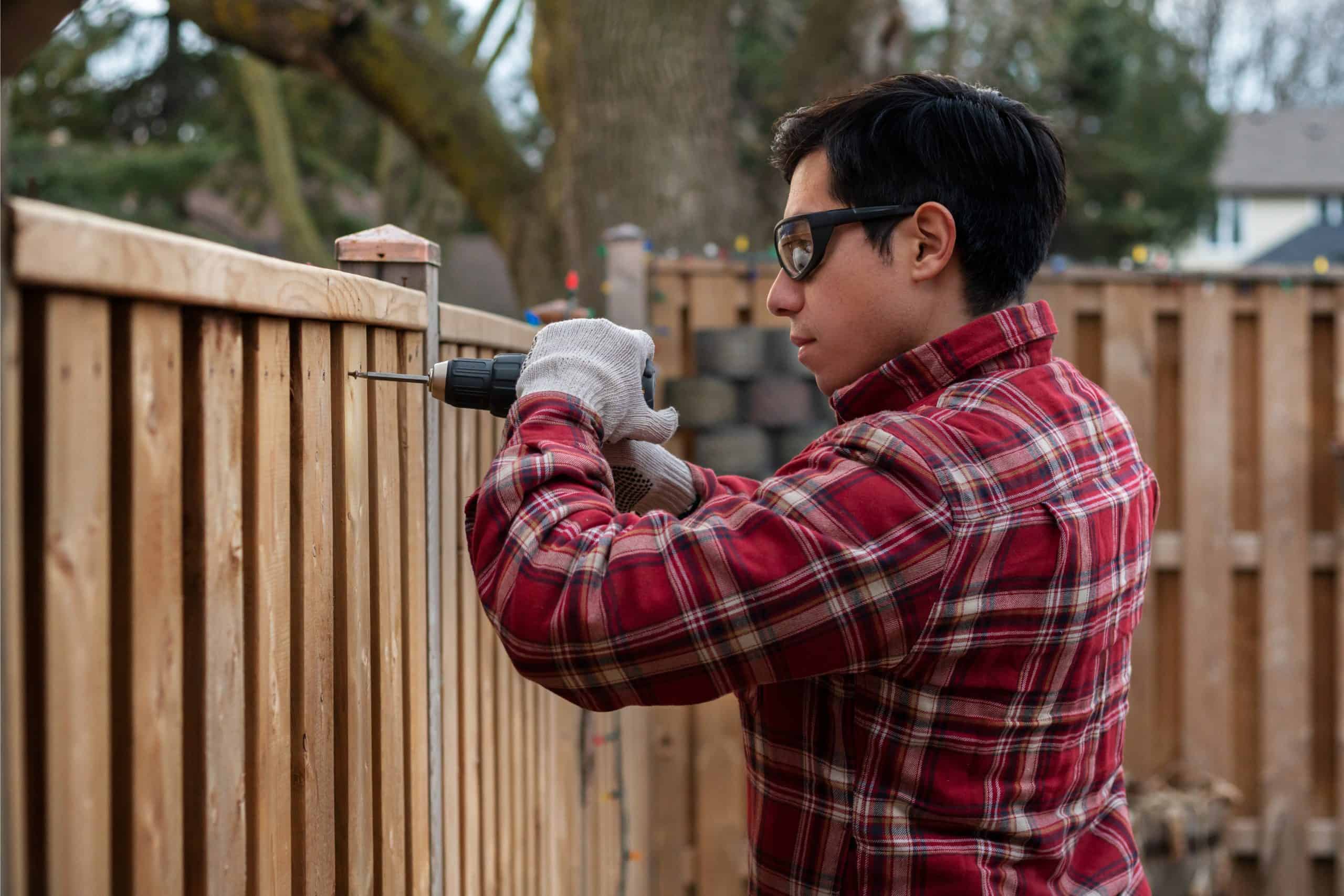
A properly built and maintained pressure treated wood fence in North Orange will typically last 15 years. With regular staining or sealing, you can push that to 20 years or more.
The key word is “maintained.” Florida’s heat and humidity are brutal on untreated wood. We’ve seen brand-new fences warp and crack within three months when homeowners skip the stain. The quality of lumber has dropped across the board in recent years, so that protective coating isn’t optional anymore—it’s required if you want your investment to hold up.
Plan to apply a wood preservative or stain within the first 90 days after installation, then reapply every two to three years depending on sun exposure and weather wear. That routine makes the difference between a fence that lasts two decades and one that starts falling apart before you’ve paid it off.
Yes. Orange County requires a permit for residential wood fence installation, and the application has to go through their Fast Track system. The review takes about four business days once submitted, and you’ll get an email outlining any deficiencies or confirming approval.
If you live in a community with an HOA, you need their written approval before the county will even process your permit. That’s a step a lot of homeowners miss, and it can delay your project by weeks if you don’t handle it upfront.
We manage the entire permit process as part of our service. We’re familiar with Orange County’s forms, submission requirements, and the specific details they flag during review. That means fewer delays and no back-and-forth because something was filled out wrong. You shouldn’t have to become an expert in fence permitting just to get privacy in your yard.
Stick-built means we construct your wood privacy fence on-site, board by board, using full-size materials. Panel fences are pre-assembled sections that get dropped into place—faster to install, but built with thinner pickets and fewer fasteners to keep costs down.
The difference shows up fast in Florida. Panel fences can’t adjust to terrain, so they stair-step down slopes and leave gaps at the bottom corners where small dogs squeeze through and water pools during heavy rain. The materials are lighter-duty, and they’re more likely to warp or twist in the first year.
Stick-built fences cost a bit more upfront, but they follow your property’s natural grade without gaps. The materials are stronger, the connections are more secure, and the whole structure is built to handle Florida’s wind loads and weather extremes. You’re not calling us back in six months because boards are already pulling away from the rails.
Orange County allows residential wood fences up to eight feet in your side and rear yards. Front yards are limited to four feet. If your property is near a lake, anything within 50 feet of the normal high-water elevation line is capped at four feet.
Those are the county rules, but your HOA might have stricter requirements. Some communities limit height to six feet, restrict certain styles, or require specific stain colors. We check all of that before we submit your permit application, so there are no surprises halfway through the approval process.
Height matters for more than just privacy. Taller fences provide better wind protection for your landscaping and outdoor furniture during storms. They also give you more security if you’ve got larger dogs or want to fully enclose a pool area. We’ll talk through what makes sense for your property during the initial consultation.
Pressure treated pine is the most cost-effective option and the most common choice for wood fence installation in North Orange, FL. It doesn’t have the natural rot and mildew resistance of cedar or cypress, but the pressure treatment process forces preservatives deep into the wood, making it stable in Florida’s humidity.
Cedar and cypress cost significantly more—sometimes double—but they offer natural resistance to moisture, insects, and decay. If you’re willing to pay the premium and want a fence that weathers to a silver-gray patina without staining, they’re worth considering.
That said, even cedar and cypress benefit from a protective sealant in Florida’s climate. The sun is intense, the rain is constant, and untreated wood of any species will degrade faster here than in most other parts of the country. For most homeowners, pressure treated pine with a quality stain applied in the first few months delivers the best balance of cost, performance, and longevity.
You’re taking on all the risk. If the fence fails inspection, gets damaged in a storm, or doesn’t meet code, you’re the one who has to fix it. Unlicensed contractors don’t carry proper insurance, so if someone gets hurt on your property during the install, that liability falls on you.
We see it all the time in North Orange—lowball quotes from installers who skip permits, use substandard materials, and disappear the moment there’s a problem. You save a few hundred dollars upfront, then spend thousands more a year later when the fence is leaning, the boards are warped, and the county sends a violation notice because the work was never permitted.
Licensed contractors are accountable. We pull permits, carry insurance, and stand behind the work after it’s done. If something needs adjustment or repair, you’ve got someone to call who’s still going to be in business next year. That’s not dramatic—it’s just the difference between hiring a professional and hoping someone with a truck and a nail gun knows what they’re doing.
Other Services we provide in North Orange