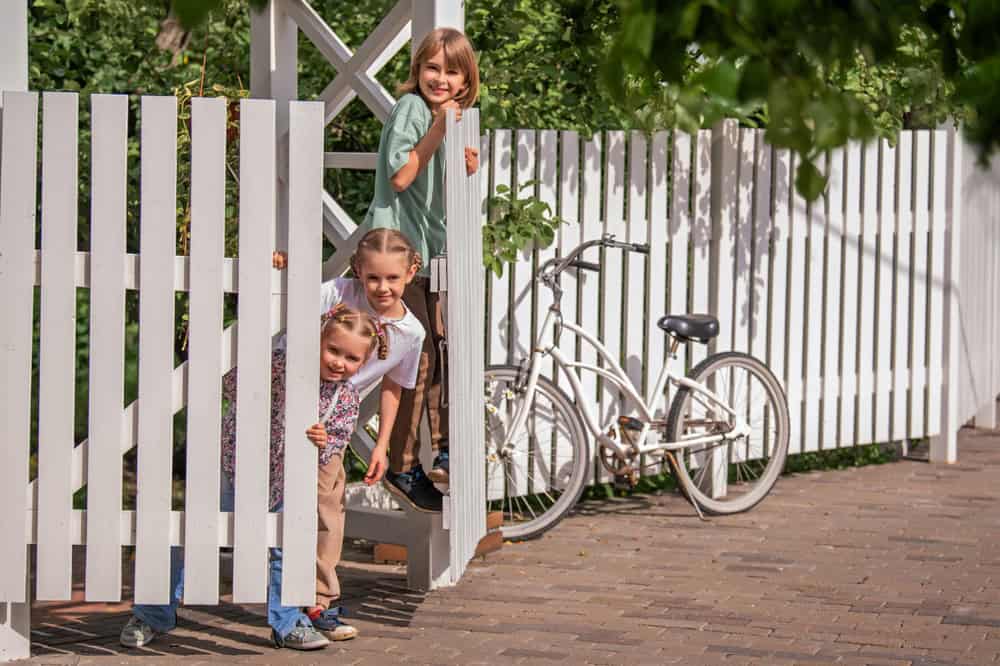
Your fence isn’t just a property line. It’s what keeps your kids and pets safe in the yard, gives you actual privacy from neighbors, and stands between your home and whatever the next storm brings.
In North Orange, that last part matters more than most people realize until it’s too late. A fence installed without understanding Florida’s wind loads, soil conditions, and humidity doesn’t just fail—it becomes a liability during hurricane season.
You’re looking at materials rated for high winds, posts set deep enough to handle Central Florida’s sandy soil, and installation that accounts for drainage so your fence doesn’t lean after the first heavy rain. That’s the difference between a fence that lasts two decades and one that needs replacing in five years.
We’ve been installing fences since 1992, and we’ve been serving Central Florida since 2004. We moved here because we saw too many homeowners getting burned by fly-by-night installers using subpar materials and disappearing when problems showed up.
We’re licensed, bonded, and insured—not because it sounds good on a website, but because it protects you if something goes wrong. Our warranties actually mean something, and our pricing is transparent from the start. No surprise charges when the job’s done.
North Orange homeowners deal with specific challenges: HOA requirements that vary by neighborhood, hurricane codes that aren’t optional, and soil that can make or break a fence’s stability. We’ve handled all of it, and we know which shortcuts cause problems down the road.
You reach out, and we schedule a time to see your property. We’ll measure, talk about what you need the fence to do, and go over material options that make sense for your situation and budget.
Once you approve the quote, we handle the permits. Orange County has specific requirements, and if you’re in an HOA, there’s another layer of approval. We manage that process so you don’t have to chase down paperwork.
Before we dig, we verify your property lines and call in utility locates. Then we install—posts first, set in concrete and given time to cure properly. Panels or pickets go up next, and we clean up the site when we’re done.
You get a walkthrough of the finished fence, and we make sure you’re clear on any maintenance recommendations. If something needs adjusting, we handle it before we consider the job complete.
Ready to get started?
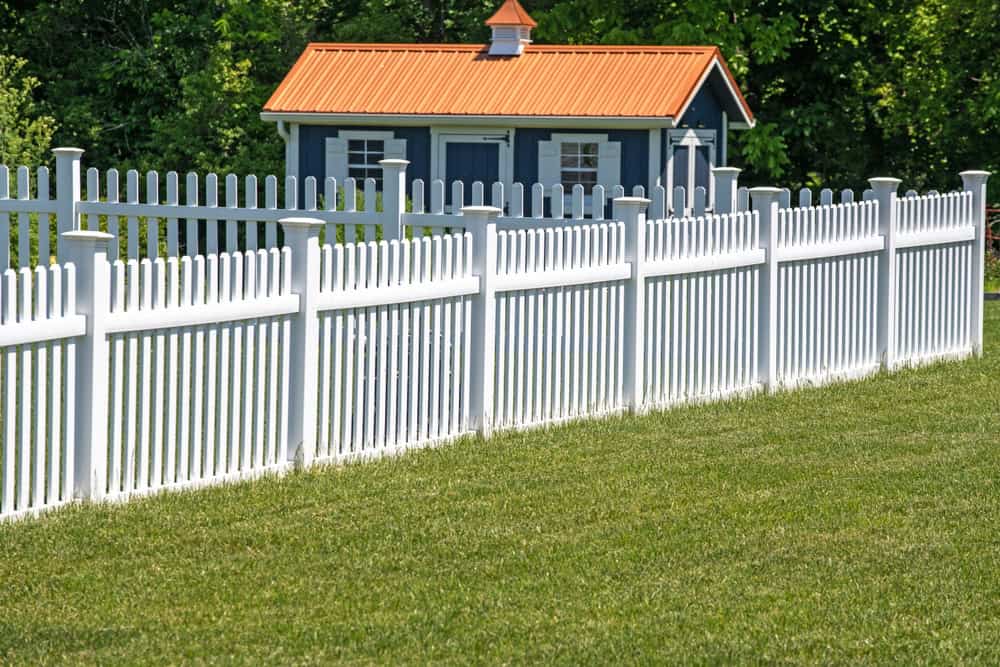
We install wood, vinyl, aluminum, and chain link fencing—each with different benefits depending on what you need. Wood gives you that classic look and full privacy. Vinyl handles humidity without rotting and needs almost zero maintenance. Aluminum works well for pool barriers and areas where you want security without blocking sightlines. Chain link is the most budget-friendly option for large perimeters.
In North Orange, hurricane resistance isn’t optional. We use wind-rated materials and installation techniques designed for Florida’s weather patterns. That means reinforced posts, proper spacing, and hardware that won’t corrode in our humid climate.
You’ll also get help navigating local regulations. Orange County requires permits for most fences over a certain height, and HOAs in areas like Wekiva, Rock Springs, and Zellwood each have their own rules about materials and styles. We’ve worked in these neighborhoods before, and we know what gets approved and what doesn’t.
Our pricing includes everything: materials, labor, permits, and cleanup. If we say it’s going to cost X, that’s what you pay. We’re not adding fees after you’ve already committed.

Vinyl and aluminum fences perform well in high winds because they’re designed with some flex, which helps them absorb impact without snapping. Wood can work too, but it needs to be installed with hurricane-rated hardware and reinforced posts set deeper than standard depth.
The real key is installation quality. A fence that’s properly anchored in concrete, with posts spaced correctly and panels attached with corrosion-resistant fasteners, will outlast a cheaper fence made from “better” materials. In North Orange, where we’ve seen storms bring sustained winds over 70 mph, cutting corners on installation is where most failures happen.
Chain link is actually one of the most hurricane-resistant options because wind passes through it instead of pushing against a solid surface. It’s not the most private option, but if storm protection is your top concern and you’re on a budget, it’s worth considering.
Yes, in most cases. Orange County requires permits for fences over four feet tall, and even shorter fences need permits if they’re near a street or in a corner lot. The county wants to make sure your fence doesn’t block sightlines for drivers or violate setback requirements.
If you’re in an HOA—which covers a lot of North Orange neighborhoods—you’ll need approval from them before you can even apply for the county permit. Each HOA has different rules about fence height, materials, and color. Some won’t allow chain link in front yards. Others require specific styles of wood or vinyl.
We handle the permit process as part of our service. It usually takes one to three weeks to get approval, depending on how backed up the county is. Skipping permits might seem easier, but if code enforcement finds out, you’ll pay fines and potentially have to remove the fence entirely.
Most residential fence installations take two to five days once we start, depending on the size of your property and the type of fence. A simple chain link fence around a quarter-acre lot might be done in two days. A wood privacy fence with gates and terrain challenges could take closer to a week.
Weather affects the timeline more than most people expect. If we get heavy rain, we have to pause because wet ground makes it harder to set posts properly, and concrete won’t cure right in standing water. During Florida’s summer rainy season, that can add a day or two.
The bigger delay is usually permits and HOA approvals before we even break ground. That process takes anywhere from two to four weeks. Once we have approvals and schedule your install, we move quickly and clean up completely when we’re done.
Wood costs less upfront and gives you that natural look a lot of people want. It requires maintenance—staining or sealing every few years to prevent rot and fading, especially in Florida’s humidity. Even treated wood will eventually break down, usually within 15 to 20 years depending on how well you maintain it.
Vinyl costs more initially but needs almost no maintenance. You might spray it down once a year to remove dirt, but there’s no staining, no painting, and no worrying about rot or termites. It lasts 25 to 30 years or longer, and it won’t warp or crack the way wood can in our heat.
The tradeoff is appearance. Wood has texture and warmth that vinyl tries to replicate but doesn’t quite match. If you’re okay with ongoing maintenance and want that classic fence look, wood makes sense. If you’d rather install it and forget about it, vinyl is the better long-term investment.
Standard depth is two feet for most residential fences, but in North Orange’s sandy soil and hurricane-prone climate, we go deeper—usually two and a half to three feet for taller fences or anything that needs to handle high winds. Corner posts and gate posts go even deeper because they carry more stress.
The depth matters less than what you do with it. We set posts in concrete, not just tamped soil, and we let that concrete cure for at least 24 hours before attaching panels. Skipping the concrete or rushing the cure time is how you end up with leaning fences after the first storm.
Soil conditions vary across North Orange. Areas closer to Wekiva Springs have rockier soil that requires different techniques than the sandier sections near the county line. We adjust our approach based on what we’re working with, which is why site visits matter before we quote a job.
It depends on the damage. If a few pickets are broken or a gate is sagging, repair usually makes sense. If the posts are rotted, the fence is leaning in multiple sections, or more than a third of it is damaged, replacement is often more cost-effective than patching it together.
We’ll give you an honest assessment when we look at it. Sometimes homeowners think they need a whole new fence when really they just need post reinforcement and a few panel replacements. Other times, they want to repair something that’s going to fail again in six months, and we’ll tell you that too.
Hurricane damage is the most common reason we see fence failures in North Orange. If your fence made it through the last storm but barely, it’s worth having someone look at it before the next one hits. Small fixes now can prevent total replacement later.
Other Services we provide in North Orange