
Your old fence is leaning, splintering, or barely standing after the last storm. You’re tired of temporary fixes that don’t hold up. What you need is residential fence replacement in Edgewood, FL that’s built to handle high winds, humidity, and the kind of weather that makes wood rot at ground level.
When you replace your fence with materials designed for Central Florida’s climate, you’re not just fixing a problem. You’re adding real value to your property—between 30% and 70% of what you invest comes back when you sell. More importantly, you get privacy that actually works, security you can count on, and a yard that looks finished instead of forgotten.
The difference shows up fast. No more checking for loose boards after every thunderstorm. No more worrying about your dog finding that one weak spot. Just a solid perimeter that does its job without demanding constant attention.
We work across Central Florida, and we’ve seen what happens to fences in Edgewood’s sandy soil and humid climate. Posts rot faster here than most homeowners expect. Afternoon storms hit harder than the forecast suggests. That’s why we focus on materials and installation methods that actually hold up.
We’re not the cheapest fence replacement contractor in Edgewood, FL—and that’s intentional. You’re paying for pressure-treated posts that won’t rot in three years, vinyl that won’t crack in the sun, and installation that meets the standards insurance companies look for when storm damage happens. We serve Lake, Orange, Seminole, Brevard, Volusia, Osceola, Polk, Sumter, and Marion counties, and we’ve learned what works in each area’s specific conditions.
Edgewood homeowners deal with unique challenges—higher water tables in some neighborhoods, clay soil that shifts with moisture changes, and proximity to lakes that increases humidity exposure. We account for all of it.
First, we come out and look at what you’re dealing with. We measure the property, check the soil conditions, and talk through what you actually need—not what sounds good in a sales pitch. If you’re filing an insurance claim for storm damage, we document everything properly and provide the detailed estimates adjusters require.
Next, we remove your old fence completely. That includes pulling posts, hauling away debris, and making sure your yard isn’t left looking like a construction zone. We’re not just building on top of problems—we’re starting fresh.
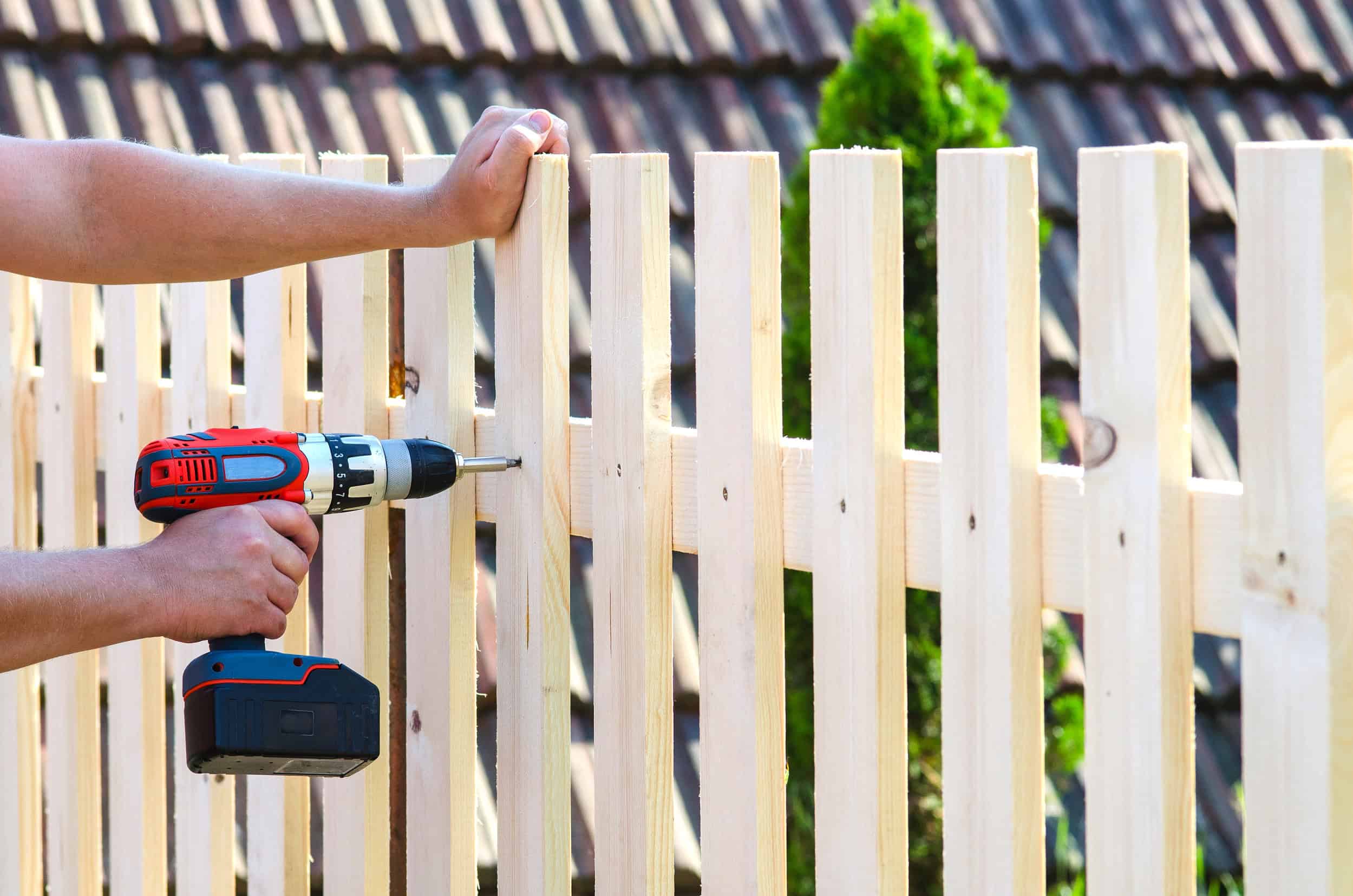
Then comes installation. We set posts at the right depth for Edgewood’s soil conditions, use concrete footings where needed, and build panels that can handle wind load. For wood fences, that means pressure-treated materials and proper spacing for drainage. For vinyl, it means reinforced posts and panels rated for hurricane-force winds. The timeline depends on your property size, but most residential fence replacement projects in Edgewood, FL take a few days from start to finish.
You’ll know exactly what’s happening and when. No surprises, no hidden costs, no crew that disappears for a week between phases.
Ready to get started?
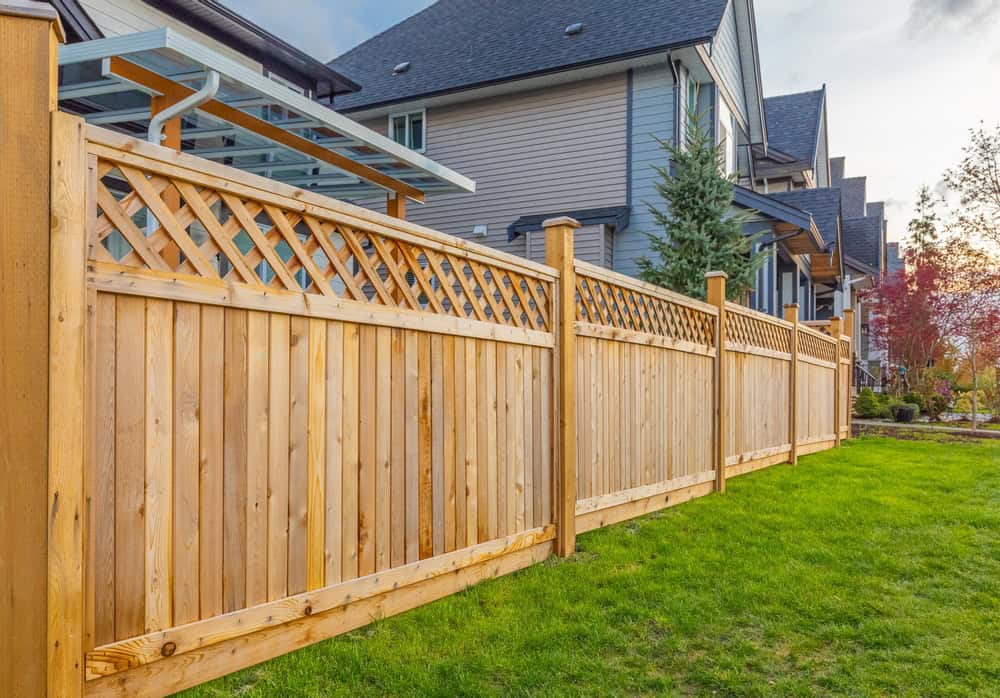
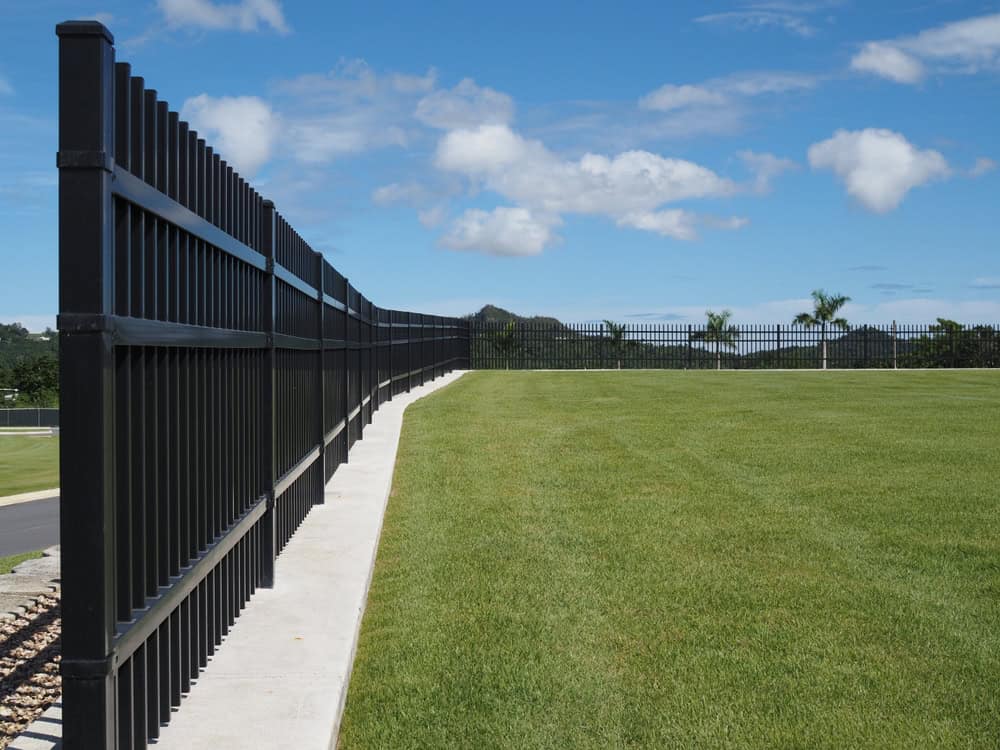
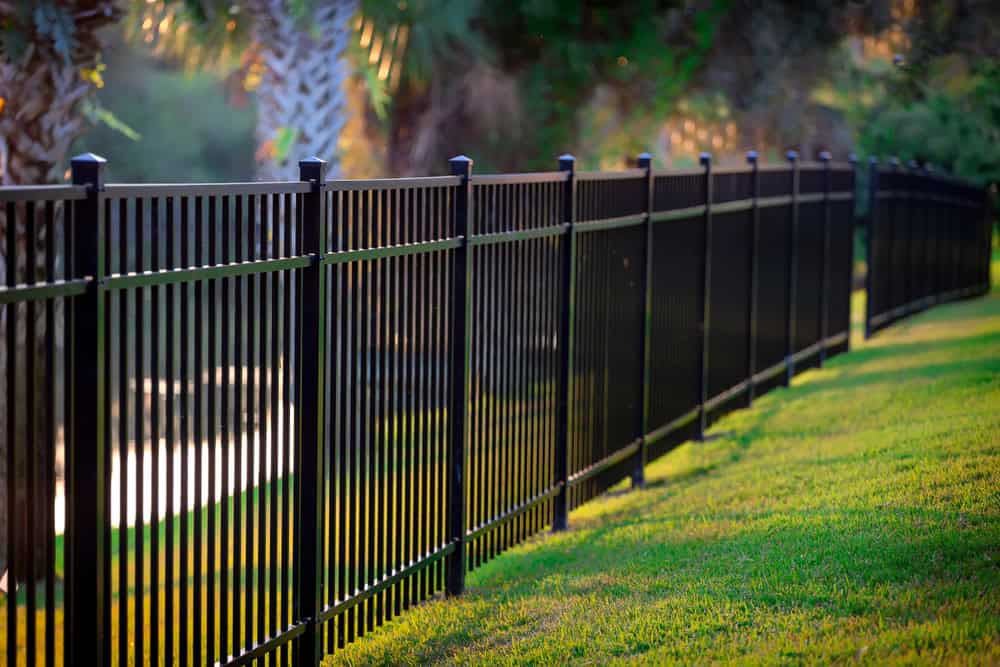
You get materials that match Florida’s demands. Wood fences use pressure-treated lumber that resists rot and insect damage—critical in Edgewood’s humid environment where untreated wood fails fast. Vinyl options are built to handle UV exposure without fading or becoming brittle. Aluminum fencing is powder-coated to resist the pitting and corrosion that develops in Central Florida’s climate.
You also get installation that considers local factors. Edgewood sits in an area where soil composition varies significantly from one neighborhood to another. Sandy soil near the lakes requires different post-setting techniques than clay-heavy areas. We adjust our approach based on what’s actually under your property, not what works somewhere else.
The fence replacement company in Edgewood, FL you choose determines how long your investment lasts. Average fence installation here runs $15 to $35 per linear foot depending on material and property conditions. That’s not just labor and materials—it’s expertise in building fences that survive storm season, knowledge of local building codes, and installation methods that insurance companies recognize as proper when you need to file a claim.
Your property value increases measurably. Homes with quality fencing sell faster—about two weeks quicker than comparable properties without fences. For the 73.7% of Edgewood residents who own their homes, that matters when it’s time to sell.
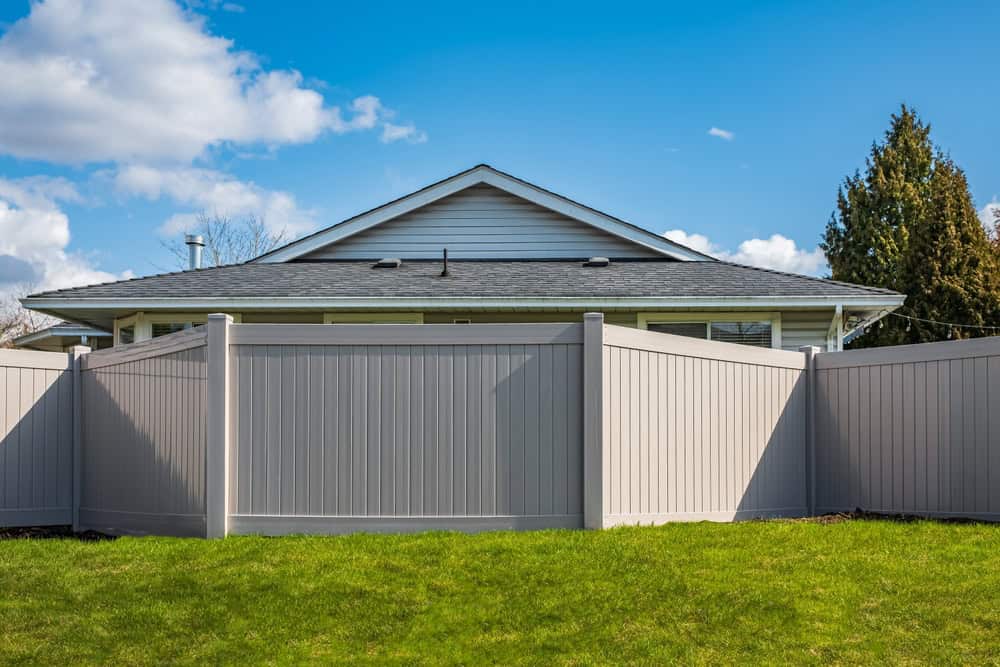
Most residential fence replacement in Edgewood, FL takes two to five days depending on your property size and the material you choose. A standard backyard with 150 linear feet of vinyl fencing usually wraps up in two to three days. Larger properties or wood fences with custom gates might take four to five days.
Weather affects the timeline more than most people expect. Afternoon thunderstorms can delay concrete curing, and we won’t set posts in saturated soil because it compromises stability. If you’re replacing a fence after storm damage, we prioritize those jobs during hurricane season to help you restore security quickly.
The removal process takes less time than installation. We typically pull old fencing and haul debris in one day, then start fresh installation the next morning. You won’t have a half-finished project sitting in your yard for weeks.
It depends on your policy and how the damage occurred. Most Florida homeowners insurance covers fence damage from hurricanes, high winds, and falling trees—but only if your fence was properly maintained before the storm hit. Insurance adjusters look for evidence of rot, previous damage, or deferred maintenance that contributed to the failure.
You need documentation immediately after storm damage happens. Take photos of the damage from multiple angles, note the date and time, and get a detailed repair estimate that breaks down materials and labor separately. Many policies have separate deductibles for wind damage, and some exclude coverage for fences entirely, so verify your coverage before filing.
We provide estimates that meet insurance requirements, including documentation of proper installation methods and materials that comply with Florida building codes. That matters when adjusters evaluate whether the damage resulted from the storm or from a fence that was already failing. The average claim for fence damage runs $2,400 to $7,500 depending on the extent of replacement needed.
Vinyl and aluminum outlast wood in Central Florida’s humid, high-UV environment. Quality vinyl fencing typically lasts 20 to 30 years with minimal maintenance—no painting, no sealing, and no rot issues. Aluminum lasts just as long and resists the corrosion problems that affect steel fencing in humid climates.
Wood fences in Edgewood need more attention. Even pressure-treated lumber requires annual inspection for rot, especially at ground level where moisture accumulates. You’re looking at 10 to 15 years before major repairs become necessary, and that assumes you’re applying weather-resistant sealant regularly and addressing small problems before they spread.
The tradeoff is upfront cost versus long-term maintenance. Wood costs less initially—usually $15 to $25 per linear foot installed. Vinyl runs $20 to $35 per linear foot. But when you factor in resealing, repairs, and eventual replacement, vinyl often costs less over 20 years. Your property’s specific conditions matter too. Homes near lakes deal with higher humidity and faster wood deterioration.
Fence posts in Edgewood need to go at least two feet deep, and often deeper depending on your soil type and fence height. Sandy soil near the lakes requires deeper posts—sometimes 30 inches—because it doesn’t provide the same lateral support as clay-heavy soil. For fences over six feet tall, we go deeper regardless of soil type.
The depth matters less than what surrounds the post underground. We use concrete footings for most installations because Edgewood’s soil shifts with moisture changes. A post set in dirt alone will loosen over time as clay expands and contracts or as sandy soil erodes. Concrete keeps posts stable through storm season and the wet summer months.
Florida building codes require posts to withstand specific wind loads based on your location. Edgewood sits in a wind zone that demands proper installation—not just for code compliance, but because your fence will face 60+ mph winds during storms. Posts set too shallow or without adequate concrete support will fail when high winds hit. We set posts to handle those conditions, not just to pass inspection.
Sometimes, but it’s harder than most homeowners expect. If your existing fence is wood and we can identify the exact style and dimensions, we can usually build matching sections. The challenge is that wood weathers differently across your property—new sections will look noticeably different even if the construction matches perfectly.
Vinyl and aluminum are trickier. Manufacturers change product lines, colors fade over time, and what looks like a match in the warehouse often doesn’t blend once it’s installed next to weathered fencing. If you’re replacing more than 30% of your fence, you’re usually better off replacing the whole thing to avoid a patchwork appearance.
There’s also a structural consideration. If part of your fence failed due to rot, improper installation, or material defects, the rest probably has the same issues developing. Replacing only the damaged section means you’ll likely face another replacement project within a year or two when the next section fails. We’ll walk your property and give you an honest assessment of whether partial replacement makes sense or whether you’re just delaying the inevitable.
You’ll typically recover 30% to 70% of your fence replacement cost when you sell your home. For a $5,000 fence installation, that translates to $1,500 to $3,500 in added property value. The exact return depends on your neighborhood, the fence material, and how much it improves your home’s curb appeal compared to surrounding properties.
Homes with quality fencing sell about two weeks faster than comparable properties without fences. In Edgewood’s market, where the median property value hit $452,400 in 2023, that speed matters. Buyers with pets—over 62% of households—view fenced yards as move-in ready, which reduces negotiation friction and speeds up closing.
The return isn’t just financial. You get immediate benefits: privacy, security, defined property lines, and a yard that actually feels usable. For families with children or pets, that’s worth more than the resale calculation. But when you do sell, a well-maintained fence signals to buyers that the property has been cared for, which affects their overall perception of value beyond just the fence itself.