How can vinyl fencing be a durable and low-maintenance option for commercial applications?
Share:
Summary:
Explore benefits of vinyl (PVC) fencing for commercial properties in Central Florida. Understand its resistance to harsh weather, insects, and decay, making it a practical long-term investment requiring minimal upkeep.
Table of contents
Understanding Vinyl Fence Material (PVC Fence)
Firstly, let’s clarify the material. Vinyl fence products are typically made from polyvinyl chloride, commonly known as PVC. This engineered plastic material offers inherent advantages over traditional fencing materials like wood or metal. Unlike wood, PVC fence will not rot, warp, splinter, or attract termites and other wood-boring insects. Unlike many metals, it won’t rust or corrode when exposed to moisture. A common sight is the classic white vinyl fence, but a vast array of colors and styles are available.
Built-In Durability Against Central Florida Elements
Vinyl Fencing is well-suited to Central Florida’s climate. Its non-porous nature means it doesn’t absorb moisture, effectively resisting damage from high humidity levels and frequent rainfall—issues that can accelerate rot in wood fences. Quality vinyl products also contain UV inhibitors blended into the material during manufacturing. These inhibitors help the fence resist fading, yellowing, and becoming brittle under the intense Florida sun. Furthermore, being impervious to termites, carpenter ants, and other insects eliminates a threat faced by wood fences in the region.
The Low-Maintenance Advantage for Businesses
Vinyl fencing offers businesses a long-lasting, weather-resistant solution that stands strong with minimal upkeep. Its low-maintenance nature means reduced repair costs and more time focusing on what matters—running your business.
Versatility in Commercial Styles and Applications
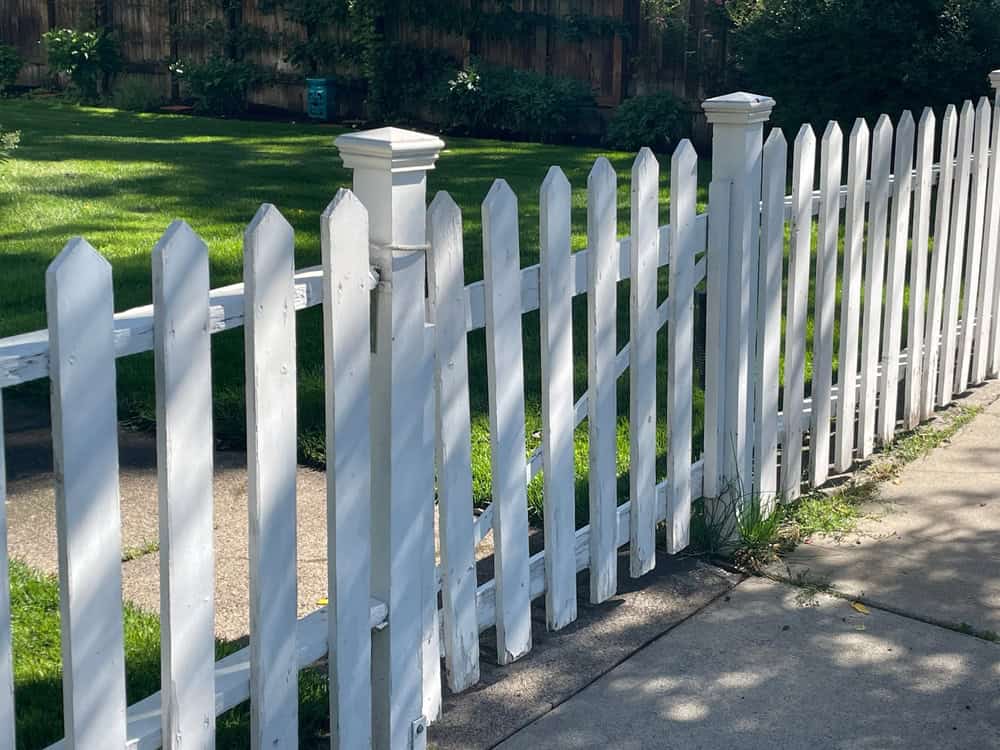
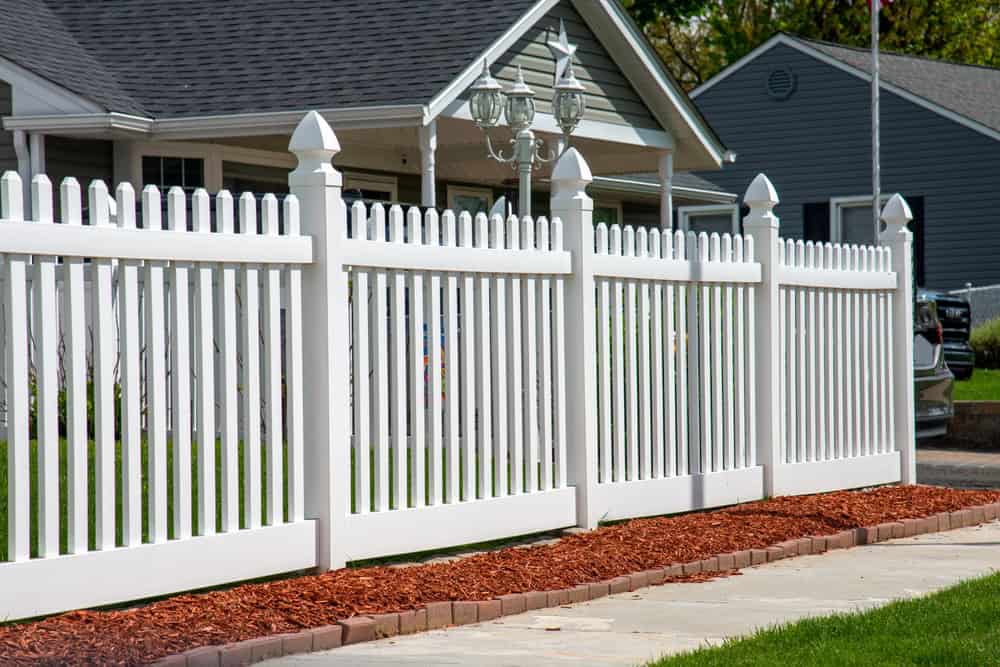
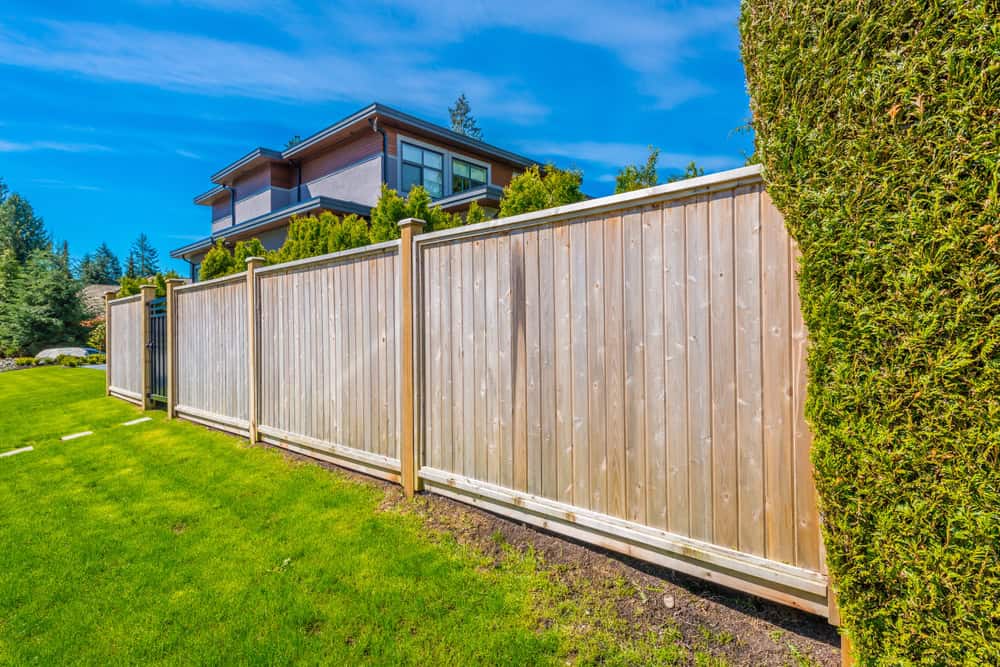
Vinyl fencing isn’t limited to one look or function. For businesses requiring security, screening, or noise reduction, a tall privacy vinyl fence offers a solid barrier. A classic picket vinyl fence can define boundaries around storefronts or outdoor seating areas while maintaining an open feel. For larger properties or applications needing perimeter definition without blocking views, a ranch rail vinyl fence provides a traditionally clean look. Despite style, vinyl maintains its appearance for a positive image of your property.
The Importance of Quality Materials and Professional Installation
The enduring and low-maintenance benefits depend on the quality of the vinyl product and the vinyl fence installation . Reputable manufacturers produce thicker, more robust vinyl with higher concentrations of UV inhibitors. Professional installation is equally important. Experienced installers make sure these posts are set correctly (often using concrete footers, mandatory in Central Florida’s sandy soil) to prevent leaning or sagging. They use proper techniques to connect the vinyl fence panels securely, allowing for slight expansion and contraction with temperature changes without buckling. Correct vinyl fence installation maximizes strength and wind resistance, reducing the likelihood of future damage or the need for vinyl fence repair.
Considering the Long-Term Value Proposition
When evaluating fencing options, considering the total cost of ownership is important. While the initial purchase price of a quality vinyl fence might sometimes be higher than basic wood options, its longevity and extremely low maintenance requirements make it more economical over the long run. By avoiding the recurring costs of painting, staining, sealing, and frequent vinyl fence repair associated with other materials, vinyl represents a predictable and often lower investment for commercial properties in a lifetime.
A Practical Fencing Solution for Central Florida Businesses
Vinyl fencing is a durable and low-maintenance option for commercial applications because of its resistance to rot, insects, corrosion, and UV damage combined with its minimal upkeep requirements. It requires no painting or staining, cleans easily, and is available in styles for commercial areas. When quality materials are chosen and installed professionally, a vinyl fence is a solution that meets the demands of the Central Florida climate.