Why Florida Heat Destroys Cheap Fences (And What Lasts)
Share:
Summary:
Marion County’s subtropical climate puts serious stress on fencing materials. Between scorching UV rays, relentless humidity, and summer storms, not all fences survive. Some just decide to “retire” early and melt into a puddle of regret.
This guide breaks down why cheap materials fail fast and which options last. You’ll learn what to look for in materials, installation, and contractors—so you don’t end up replacing your fence so often that you’re on a first-name basis with the delivery driver.
Table of contents
How Florida's Climate Destroys Fence Materials
Marion County gets 233 sunny days a year. Temperatures hit 95°F regularly in summer—and that’s “Florida 95,” which feels like walking through a warm bowl of soup.
That’s not just uncomfortable weather; it’s a relentless assault. UV radiation breaks down molecular bonds in materials, causing fading and structural weakness. It’s essentially a giant tanning bed for your yard, but without the goggles or the nice bronze glow. Meanwhile, moisture from our 51 inches of annual rainfall penetrates porous materials, creating a VIP lounge for mold, mildew, and rot.
The damage doesn’t happen overnight, but it’s constant. If your fence wasn’t built to handle it, you’ll see the effects faster than a popsicle melts in July.
Why Wood Fences Fail So Quickly in Marion County
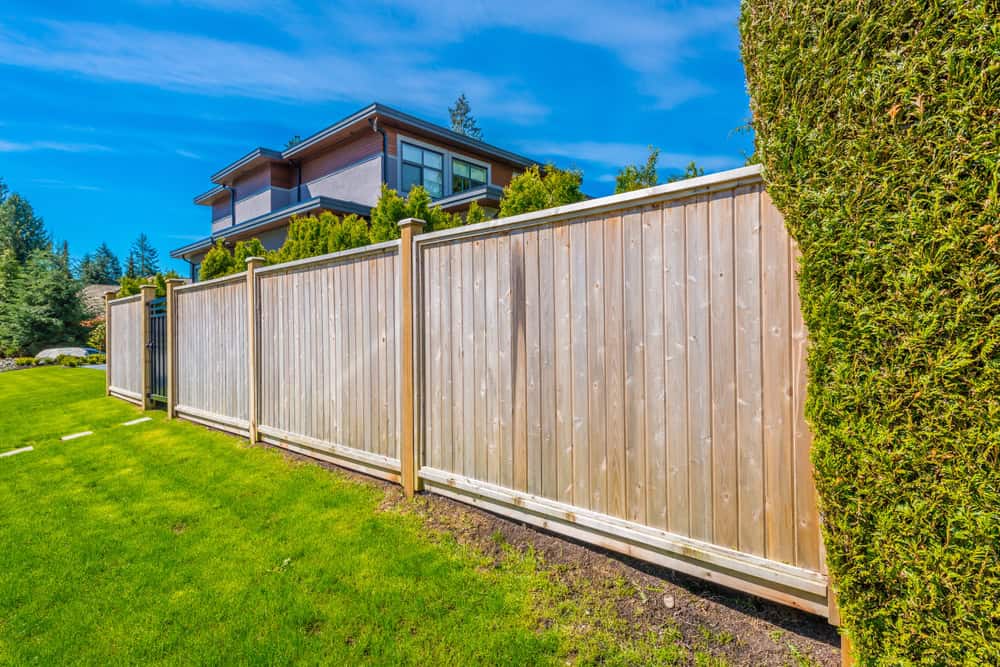
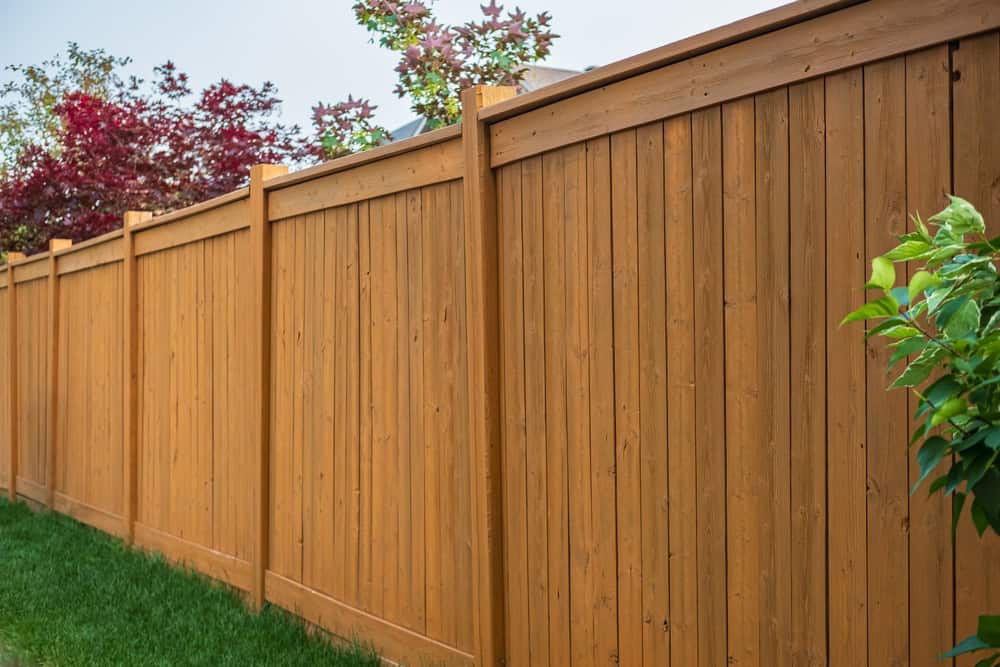
Wood looks great. It’s classic and natural. But in Marion County, wood fences are fighting a losing battle from day one. In this humidity, a wood fence is basically just a giant snack for termites and fungi.
Even pressure-treated lumber eventually acts like a sponge. That moisture leads to warping—boards that curl away from the frame like they’re trying to escape the property. Then come the cracks. Untreated wood fences in Central Florida can start “doing the twist” in as little as three months.
To keep it functional, you’re looking at annual sealing and staining. That’s $200 to $500 per year in maintenance. You could spend that money on a nice vacation, or you could spend it bonding with your fence in 90-degree heat. Choice is yours! In Florida, wood often fails in just 5 to 10 years, meaning the “cheap” option ends up being the most expensive hobby you never wanted.
What Happens When You Buy Cheap Vinyl
Wood looks great. It’s classic and natural. But in Marion County, wood fences are fighting a losing battle from day one. In this humidity, a wood fence is basically just a giant snack for termites and fungi.
Even pressure-treated lumber eventually acts like a sponge. That moisture leads to warping—boards that curl away from the frame like they’re trying to escape the property. Then come the cracks. Untreated wood fences in Central Florida can start “doing the twist” in as little as three months.
To keep it functional, you’re looking at annual sealing and staining. That’s $200 to $500 per year in maintenance. You could spend that money on a nice vacation, or you could spend it bonding with your fence in 90-degree heat. Choice is yours! In Florida, wood often fails in just 5 to 10 years, meaning the “cheap” option ends up being the most expensive hobby you never wanted.
Materials That Survive Florida Heat
So, what actually works? If wood rots and cheap vinyl wilts, what’s left?
The survivors fall into three categories: high-grade vinyl, aluminum fences, and (very) high-maintenance wood. Since most people prefer spending their weekends on a boat rather than with a paintbrush, we usually point toward the first two.
Why Quality Vinyl Outperforms Everything Else
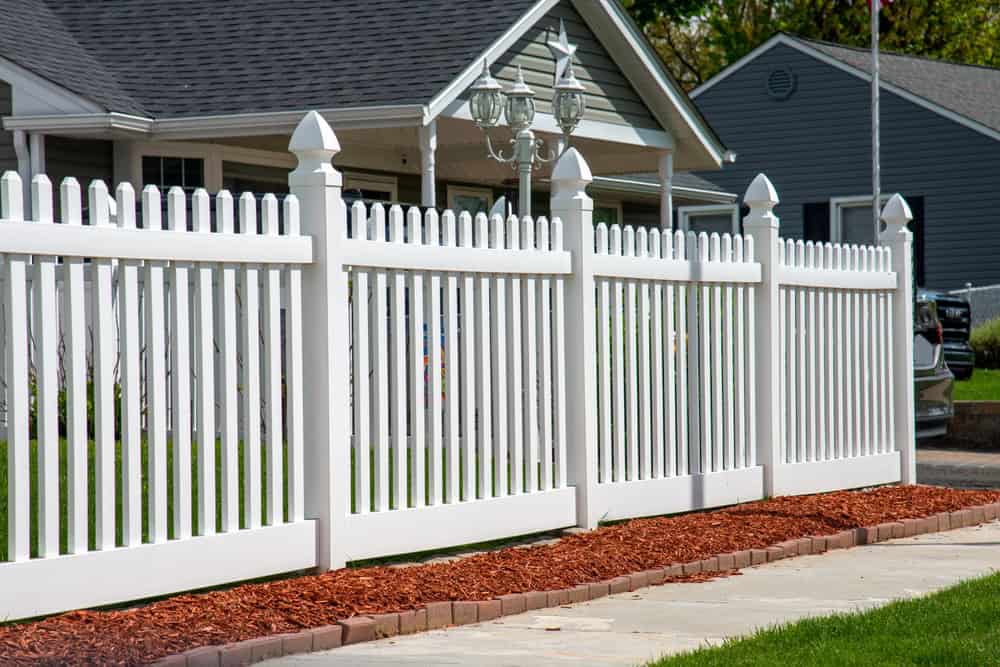
High-grade vinyl is non-porous. It doesn’t drink water, so it doesn’t rot. In a climate where the air is practically liquid, that’s a superpower.
Modern vinyl formulations are built to withstand 20 to 30 years of sun exposure without cracking. It’s also surprisingly flexible. When hurricane-force winds hit, a rigid material snaps. Quality vinyl flexes, survives the gust, and goes back to work.
Maintenance? You rinse it with a hose when it looks dusty. That’s it. It’s the closest thing to a “set it and forget it” solution. You’re not just buying a fence; you’re buying 30 years of Saturday mornings back.
When Aluminum Makes More Sense Than Vinyl
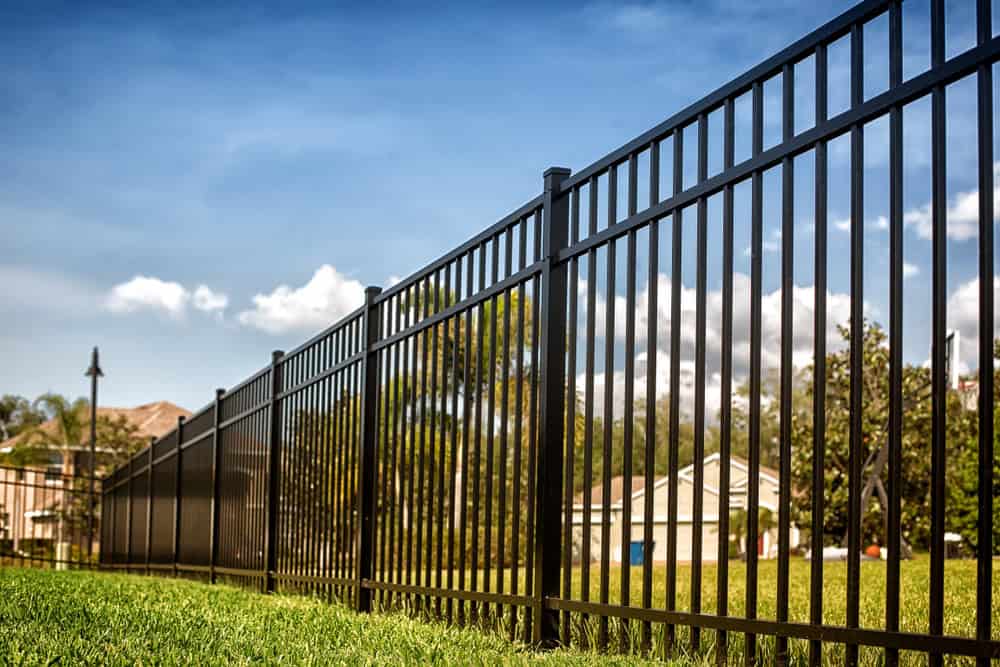
Aluminum is the unsung hero of Florida fencing. It’s naturally resistant to rust. When powder-coated, it’s practically invincible against humidity and salt air. It’s the “Iron Man” of fences, just without the ego.
Its biggest strength is airflow. Solid panels catch wind like a sail, which can be a problem during storm season. Aluminum’s open design lets the wind pass through, meaning your fence stays in your yard while your neighbor’s wooden panels are visiting the next county over.
It also stays remarkably cool. You won’t burn your hand on a quality aluminum fence in July, which is great news for kids and pets (and clumsy adults). If you want durability and a sleek look, aluminum is hard to beat—just don’t expect it to hide you from the neighbors while you’re sunbathing.
Choosing a Fence That Lasts in Marion County
Florida’s climate is unforgiving, but your fence doesn’t have to be a source of stress. The choice you make today determines if you’ll be admiring your yard for thirty years or staring at a pile of graying, warped boards in five.
Quality vinyl and aluminum are the heavyweight champions here. They handle the UV, laugh at the humidity, and require zero “elbow grease” to stay looking sharp.
The contractor you hire is the final piece of the puzzle. At Mossy Oak Fence LLC, we don’t just install fences; we let you rest assured. We know Marion County’s weather better than the meteorologists—and we’re usually more accurate.