You’re looking at a fence that’s leaning, rotting at the posts, or showing gray streaks from mold. Maybe you’ve patched boards three times this year. At some point, repair stops making sense.
A full fence replacement means starting fresh with materials built for Florida’s humidity, wind, and storms. You’re not masking problems anymore. You’re eliminating them.
The result is a fence that looks clean, stands straight, and doesn’t need constant attention. It adds value to your property instead of dragging it down. And if you’re planning to sell in the next few years, buyers notice fencing before they even walk through the door.
You also get peace of mind. No more wondering if the next storm will take it down. No more weekend repairs. Just a solid barrier that does its job without asking for anything in return.
We serve McIntosh, FL and the surrounding Central Florida area with residential and commercial fence replacement. We’re licensed, bonded, and insured, and we’ve built our reputation on doing the work right the first time.
McIntosh is a small community where word travels fast. Homeowners here value quality over shortcuts, and they expect contractors to show up when they say they will. We operate the same way.
We use top-grade materials, transparent pricing, and crews who respect your property. No hidden costs. No dragging out timelines. Just straightforward work that holds up in Florida’s climate.
First, we come out to assess your existing fence. We measure the property, check for any permit requirements specific to McIntosh and Marion County, and discuss what you’re looking for in terms of style, height, and material. This is also when we talk budget and timeline.
Once you approve the estimate, we handle the permits if needed. Then we schedule the removal of your old fence and prep the site. That includes pulling out old posts, clearing debris, and making sure the ground is ready for new installation.
Installation happens next. We set posts, install rails, and attach pickets or panels depending on your fence type. Everything gets checked for level and stability as we go. We don’t rush through it.
After the fence is up, we walk the property with you to make sure everything meets your expectations. We clean up completely, haul away the old materials, and leave your yard ready to use. The whole process typically takes a few days depending on the size of your property, and we keep you updated the entire time.
Ready to get started?
You get full removal of your existing fence, including posts, rails, and any concrete footings that need to come out. We haul everything away so you’re not left with a pile of rotting wood in your yard.
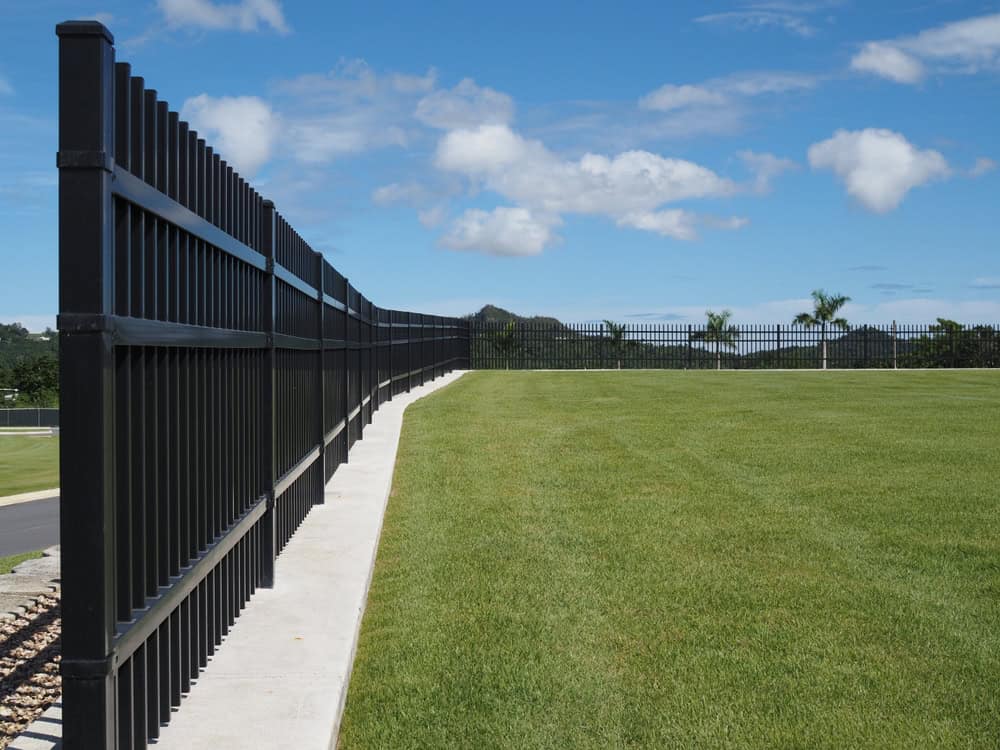
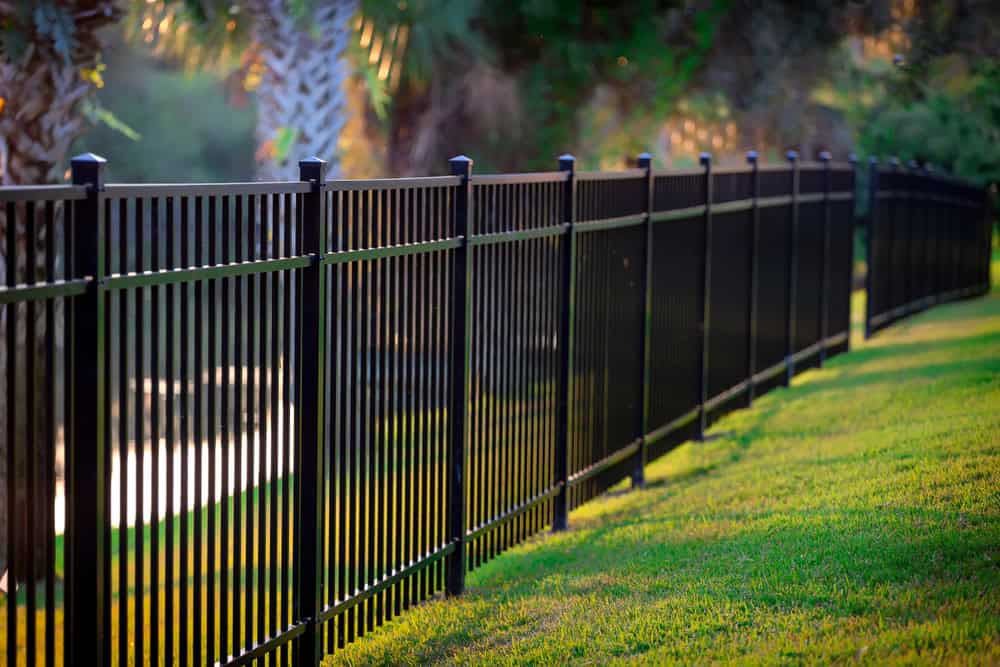
New installation includes your choice of material: wood, vinyl, aluminum, or chain link. Wood fences in Florida should meet wind code standards, especially in areas prone to severe weather. Vinyl offers the lowest maintenance and can last 20 to 30 years without needing paint or stain. Aluminum works well for decorative applications or pool enclosures.
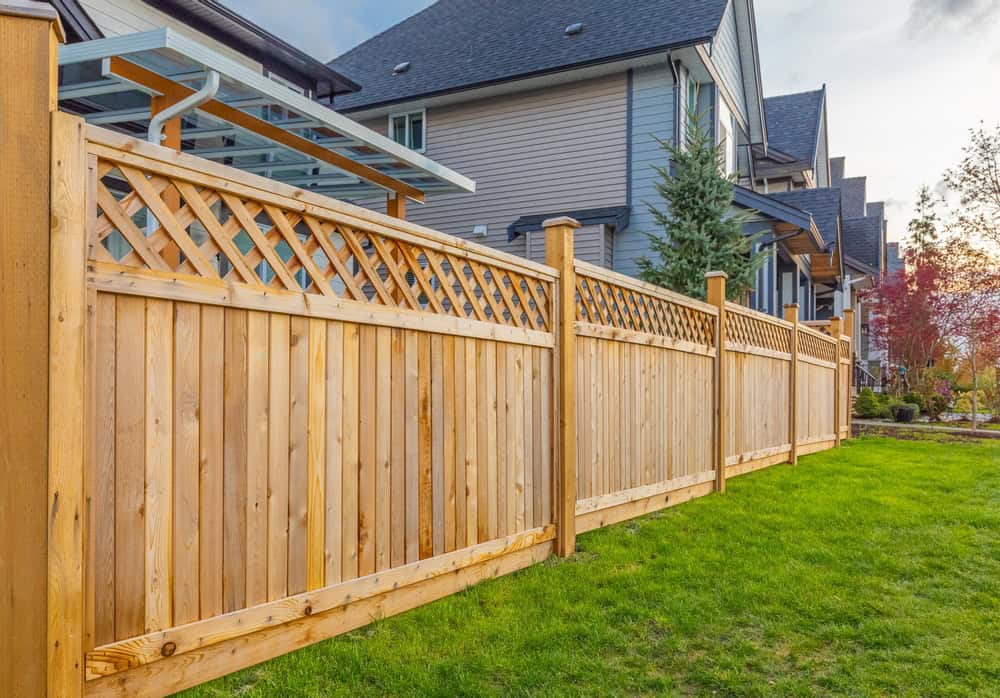
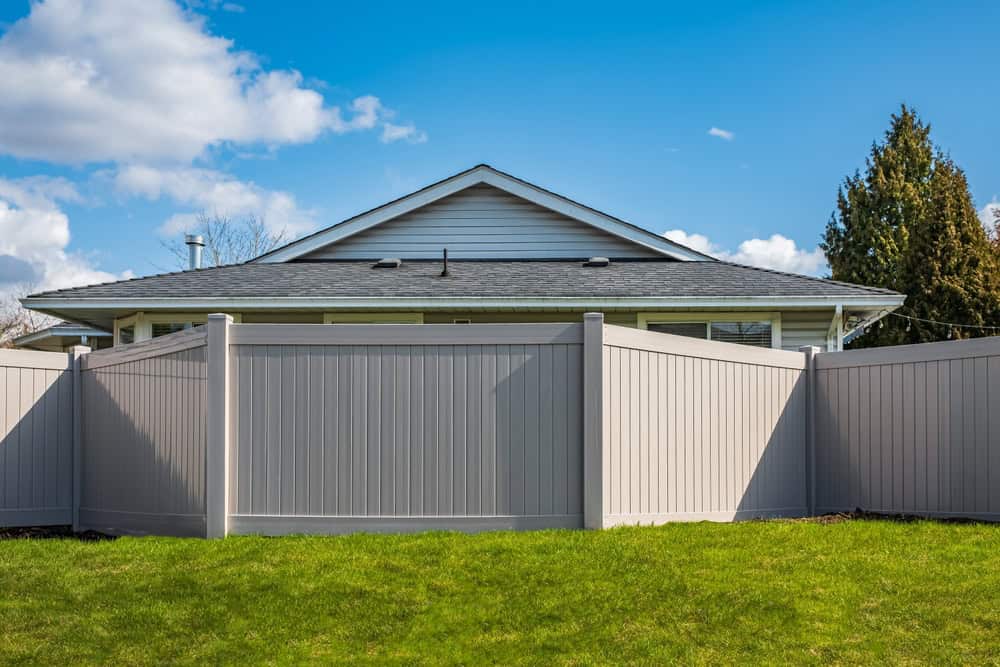
In McIntosh, most residential properties lean toward privacy fences, typically six feet tall. If you’re near a road or have neighbors close by, that height gives you the seclusion you’re looking for without feeling closed in. We also install gates, both walk-through and drive-through, and make sure they swing smoothly and latch securely.
Every installation comes with a three-year workmanship guarantee. Materials carry manufacturer warranties that vary by type, but wood pickets often come with a 15-year guarantee, and posts may have lifetime protection. We’ll walk you through what’s covered before you commit to anything.
If you’re calling for repairs more than once a year, or if the cost of fixing what’s broken is approaching half the price of a new fence, replacement makes more financial sense. You’re not saving money by patching a fence that’s failing in multiple places.
Look for structural issues like leaning sections, posts that move when you push them, or boards that are cracked and splintered beyond a simple swap. Wood rot is another clear sign. If you see gray or yellow staining, soft spots, or mold growth on the posts or rails, the integrity is compromised. You can’t repair rot. You have to replace it.
Also consider how old the fence is. Most wood fences last 10 to 15 years in Florida depending on maintenance. Vinyl lasts longer, but even vinyl can become brittle or discolored after decades of sun exposure. If your fence is near the end of its expected lifespan and showing multiple problems, replacement is the smarter move.
Vinyl holds up best in Florida’s humidity and heat. It doesn’t rot, doesn’t need painting, and resists fading better than it used to. You’re looking at 20 to 30 years of use with minimal maintenance. The upfront cost is higher than wood, but you save on labor and materials over time because there’s nothing to stain, seal, or replace.
Wood can last 10 to 15 years if it’s pressure-treated and maintained properly. That means staining or sealing every two to three years and replacing boards as they wear. Cedar and redwood naturally resist rot better than pine, but they cost more. If you like the look of wood and don’t mind the upkeep, it’s still a solid choice.
Aluminum works well if you want something decorative or need a fence around a pool. It won’t rust in the humidity, and it’s strong enough to meet code requirements. Chain link is the most affordable and lasts a long time, but it doesn’t offer privacy. It’s better suited for containing pets or marking boundaries than blocking sightlines.
Most likely, yes. Marion County requires permits for fences over a certain height, typically four feet for front yards and six feet for side and rear yards. The rules can vary depending on whether you’re in city limits or an unincorporated area, and some neighborhoods have HOA restrictions on top of county codes.
The permit process isn’t complicated, but it does take time. You’ll need a site plan showing property lines and where the fence will go. The county reviews it, charges a fee, and schedules an inspection after installation. If you skip the permit and get caught, you could be fined or forced to remove the fence and start over.
We handle permits as part of the process. We pull the paperwork, submit the plans, and coordinate the inspection so you don’t have to deal with the county office. It’s one less thing on your plate, and it keeps the project moving without delays.
For most residential properties in McIntosh, the physical installation takes two to four days depending on the size of your yard and the type of fence. Removing the old fence usually happens in a day. Setting posts and installing the new fence takes another day or two. Larger properties or more complex layouts add time.
The timeline also depends on permits. If we need county approval, that can add a week or two before we start work. We submit everything as soon as you approve the estimate, but the county moves on its own schedule. Once we have the green light, we get you on the calendar and stick to it.
Weather can push things back, especially during summer storm season. We don’t set posts in saturated ground, and we won’t install panels in high wind. If we have to pause for weather, we’ll let you know immediately and reschedule as soon as conditions clear. Most projects finish within two weeks from the day you sign off on the estimate, including permit time.
Privacy fence replacement typically runs between $1,760 and $7,700 depending on material, height, and linear footage. Most homeowners in McIntosh spend around $3,600 for a standard six-foot wood or vinyl privacy fence on a quarter-acre lot. That includes removal of the old fence, new posts, rails, pickets, and gates.
Wood is the most affordable upfront, usually $15 to $30 per linear foot installed. Vinyl costs more, typically $25 to $40 per linear foot, but you’re not paying for stain or repairs down the road. Aluminum runs $20 to $35 per linear foot and works well for decorative or pool fencing. Chain link is the cheapest at $10 to $20 per linear foot, but it doesn’t offer privacy.
We give you a detailed estimate before any work starts. You’ll see exactly what you’re paying for: materials, labor, removal, disposal, and permits if applicable. No surprise charges. If your property has slopes, rocky soil, or requires extra bracing for wind resistance, we’ll note that upfront so the number doesn’t change halfway through the job.
Yes, but the return depends on the condition of your old fence and the quality of the replacement. If your current fence is visibly damaged or outdated, replacing it can add curb appeal and remove a red flag for buyers. A clean, well-installed fence signals that the property has been maintained, and that matters in a small community like McIntosh where buyers are paying attention to details.
Privacy fences tend to add more value than chain link because they offer security and seclusion, which are high on most buyers’ lists. Vinyl and aluminum also appeal to buyers who don’t want to take on maintenance right after closing. Wood looks great if it’s new, but buyers know it requires upkeep, so the perceived value is slightly lower.
The national average return on fence installation is around 50% of the cost, but that assumes you’re adding a fence where there wasn’t one. Replacement is different. You’re not adding a feature; you’re restoring one. The value comes from eliminating a problem and making the property more competitive. If you’re planning to sell within the next few years, a new fence is worth the investment.