You need a fence that actually does its job. Keeps your dog in the yard. Marks your property line clearly. Secures your pool area without blocking sightlines or airflow.
Chain link fence installation in Silver Springs, FL gives you exactly that. It’s the most cost-effective way to define boundaries and add security without draining your budget or your weekends on upkeep. Galvanized steel resists rust even in Florida’s humidity. Vinyl-coated options add extra protection against salt air if you’re closer to the coast.
The fence goes up fast, holds up for decades, and requires almost nothing from you except an occasional rinse. No painting. No staining. No replacing rotted boards every few years.
If you’re comparing options, here’s what matters: chain link outlasts wood in wet climates, costs less than vinyl or aluminum per linear foot, and handles wind better than solid panels during storm season. You get a fence that works, period.
Mossy Oak Fence LLC has been serving Silver Springs, FL and surrounding Marion County communities since the early 2000s. We’re licensed, bonded, and insured, which matters more than most people realize until something goes wrong.
Our team installs chain link fencing for residential yards, commercial properties, and everything in between. We’ve handled hundreds of projects across Lake, Orange, Seminole, Brevard, Volusia, Osceola, Polk, Sumter, and Marion counties.
You’ll work with installers who understand Florida building codes, know how to set posts in sandy soil, and won’t disappear after taking your deposit. We use top-grade materials because cheap chain link sags and rusts faster than you’d expect in this climate.
First, we come out to measure your property and discuss what you need. Height, gate locations, any areas where the fence needs to navigate slopes or obstacles. We’ll talk through galvanized versus vinyl-coated options based on your specific conditions and budget.
Once you approve the quote, we handle permits if your project requires them. Most residential chain link installations in Silver Springs, FL don’t need permits unless you’re in an HOA or building near wetlands, but we verify before starting work.
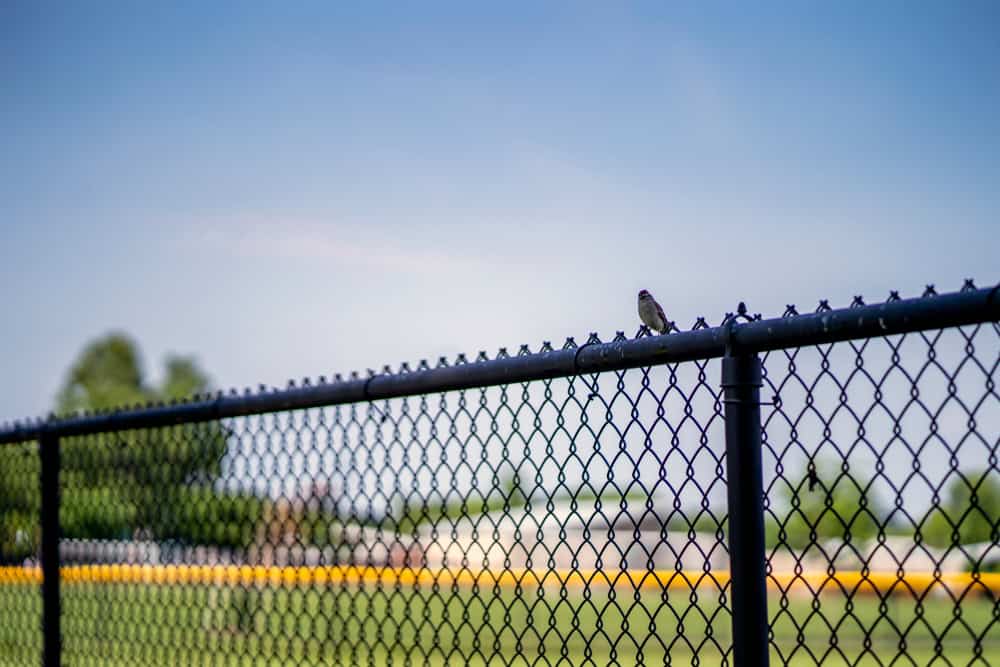
Installation day, our crew marks the fence line, sets terminal and line posts in concrete, and installs the chain link fabric with tension bars and bands. Gates get hung, everything gets checked for proper tension and alignment. Most residential jobs finish in one to two days depending on linear footage.
You’re left with a secure perimeter that’s ready to use immediately. No curing time, no waiting for paint to dry. The concrete around the posts needs 24-48 hours to fully set, but the fence itself is functional right away.
Ready to get started?
Your chain link fence installation in Silver Springs, FL includes galvanized steel posts set in concrete, chain link fabric in your choice of gauge and coating, tension wire for added stability, and all necessary hardware. Gates come with heavy-duty hinges and latches built to handle daily use.
We install fences between three and twelve feet tall depending on your needs. Residential yards typically use four-foot fencing, while pool enclosures require specific heights per Florida building code. Commercial properties often need six feet or taller with bottom tension wire and smaller mesh for added security.
Silver Springs sits in Marion County where soil conditions vary from sandy to clay-heavy depending on your exact location. We adjust post depth and concrete mix accordingly so your fence stays plumb and tight even during heavy rain or ground settling.
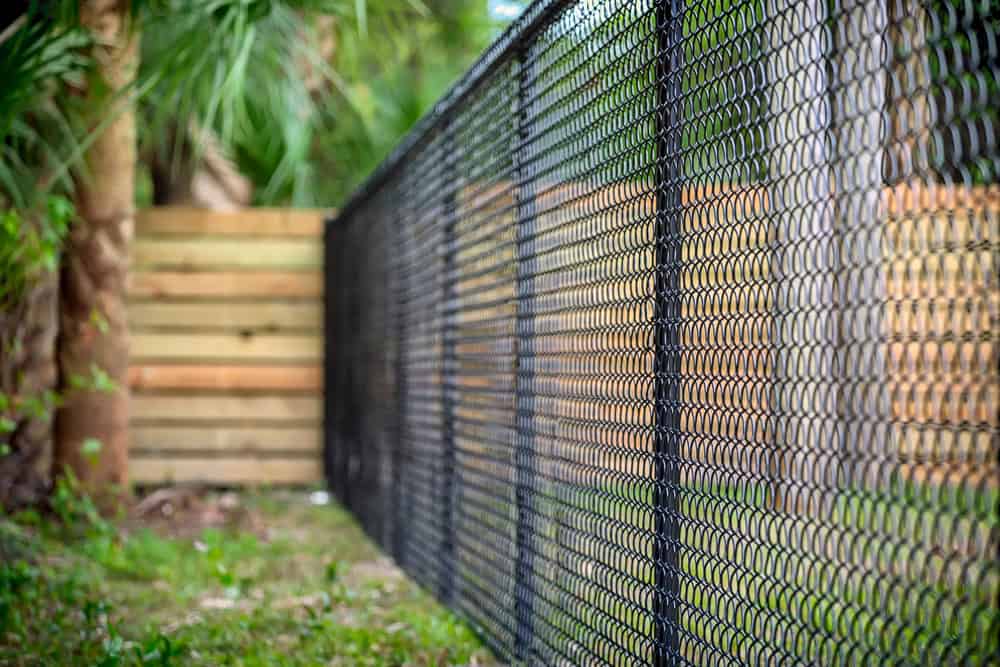
Color options include standard galvanized silver, black vinyl-coated, green vinyl-coated, and brown vinyl-coated. Vinyl coating adds roughly three to five dollars per linear foot but extends lifespan and looks cleaner longer. You can also add privacy slats in various colors if you want to block sightlines without switching to a solid fence type.
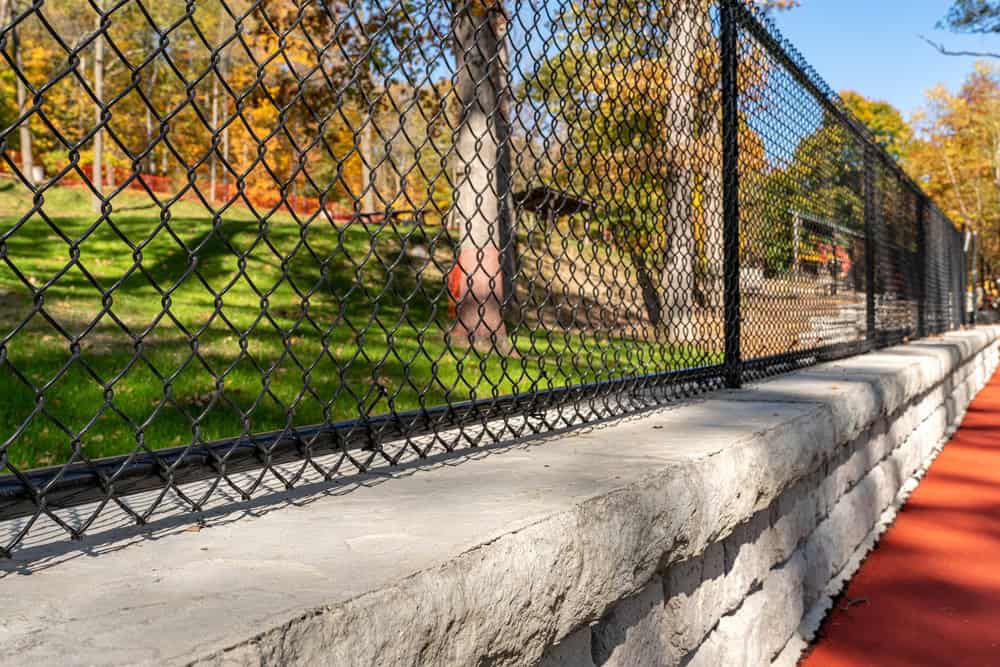
Chain link fence installation in Silver Springs, FL typically runs between ten and twenty dollars per linear foot installed. That range covers standard residential height with galvanized finish.
Vinyl-coated chain link adds three to five dollars per linear foot. Taller fences, heavier gauge fabric, or complex layouts with multiple gates push costs toward the higher end. Commercial installations with security features like barbed wire or smaller mesh cost more due to material and labor requirements.
Most residential properties need between 150 and 300 linear feet of fencing to enclose a backyard. You’re looking at roughly $1,500 to $6,000 for a complete installation depending on your specific property and preferences. We provide transparent quotes with no hidden fees so you know exactly what you’re paying before work starts.
A properly installed chain link fence lasts 20 to 30 years in Florida, even with our humidity and frequent rain. Galvanized coating protects the steel from rust, and vinyl-coated options add another layer of weather resistance.
The posts are your main longevity factor. We set them in concrete below the frost line, which doesn’t matter much in Silver Springs, FL, but proper depth prevents shifting during heavy storms or ground saturation. Terminal posts at corners and gates get extra concrete and bracing since they handle the most stress.
Chain link fabric itself rarely fails unless it’s damaged by impact or installed without proper tension. Sagging happens when installers skip tension wire or don’t pull the fabric tight during installation. Gates wear faster than the fence line because of daily use, but quality hinges and latches last 15-plus years before needing replacement. You might need to tighten a bolt or replace a latch eventually, but the fence itself requires almost no maintenance.
Yes, chain link is one of the best fence types for hurricane-prone areas like Silver Springs, FL. The open weave lets wind pass through instead of catching it like a sail, which is what destroys solid wood or vinyl panel fences during major storms.
That said, installation quality matters enormously. Posts must be set deep enough in concrete, fabric needs proper tension, and terminal posts require adequate bracing. Cheap installations with shallow posts or undersized concrete footings can fail even in moderate winds.
We’ve seen chain link fences survive Category 2 and 3 hurricanes with minimal damage while neighboring wood fences got shredded. You might lose a section if a tree falls on it, but the fence itself won’t blow over if it’s installed correctly. After a storm, chain link is also easier and cheaper to repair than most other fence types. You replace damaged sections without rebuilding the entire fence line.
Most residential chain link fence installations in Silver Springs, FL don’t require permits, but there are exceptions. If you live in an HOA community, you’ll need HOA approval before installing any fence. Some HOAs restrict chain link entirely or require specific colors and heights.
Marion County building codes require permits for fences near wetlands, conservation areas, or if your property has easements. Pool enclosures always need permits because they fall under pool safety regulations with specific height and gate requirements.
We verify permit requirements during your initial consultation. If you need a permit, we handle the paperwork and submission as part of our service. Permit costs in Marion County typically run $50 to $150 depending on fence length and type. Skipping required permits causes problems when you sell your property or if a neighbor complains, so it’s worth doing it right from the start.
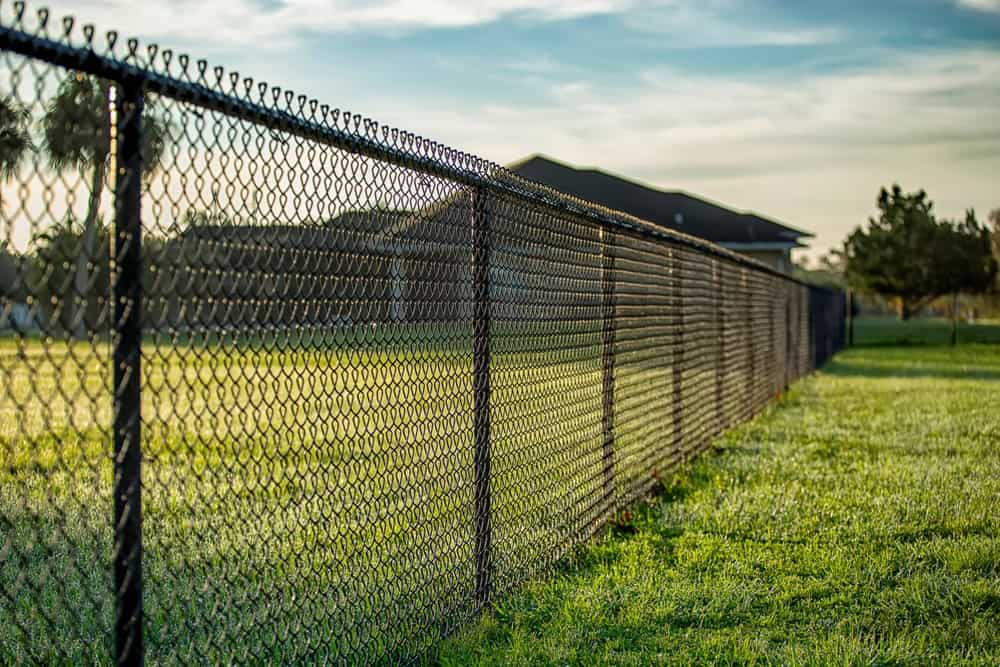
Galvanized chain link is steel wire coated in zinc to prevent rust. It’s the standard option, costs less, and lasts 20-plus years in Florida’s climate. The finish is silver-gray and develops a matte patina over time as the zinc weathers.
Vinyl-coated chain link has a layer of colored vinyl bonded over galvanized wire. It costs more but looks cleaner, resists rust even better, and comes in black, green, or brown to blend with landscaping. The vinyl coating also feels smoother if you have kids or pets that lean against the fence.
For Silver Springs, FL properties, galvanized works fine for most residential applications. Vinyl-coated makes sense if you’re near any bodies of water where salt air accelerates corrosion, or if appearance matters more to you. The vinyl can chip if something impacts it hard, exposing the galvanized wire underneath, but that doesn’t compromise the fence’s structural integrity. Both options handle Florida weather well, so it mostly comes down to budget and aesthetics.
Chain link fence maintenance in Silver Springs, FL is minimal. Rinse it with a garden hose two to three times per year to remove pollen, dirt, and any salt buildup if you’re in a coastal area. That’s basically it.
Check gate hinges and latches annually. Tighten any loose bolts and spray hinges with silicone lubricant so they don’t bind up. If you notice rust spots on galvanized fencing, wire-brush the area and apply rust-inhibiting spray paint. Vinyl-coated fencing rarely rusts unless the coating gets damaged.
Trim vegetation away from the fence line so vines don’t weave through the mesh and pull it down over time. If a section gets damaged by a fallen branch or impact, you can replace just that section without redoing the whole fence. Most homeowners go years without touching their chain link fence beyond the occasional rinse. It’s one of the lowest-maintenance fencing options available, which is why it’s so common in Florida where everything else rots, fades, or needs constant attention.