Share:
Summary:
Most homeowners recoup between 30% and 70% of their fence installation cost. If you spend $5,000 on a quality fence, you might see $1,500 to $3,500 added to your home’s appraised value.
While that’s not a 1:1 return, you have to look at the “Days on Market” factor. In early 2026, Marion County homes are taking an average of 80 to 90 days to go under contract. A fenced yard can shave weeks off that time. Think of it like a nice suit for a job interview: it might not technically increase your salary, but it’s a lot easier to get hired when you look the part.
Appraisers are like that one strictly-business uncle: they care about condition, neighborhood standards, and functionality.
If every house on your street has a fence and you don’t, your home feels “unfinished.” On the other hand, if you build a 10-foot stone wall in a neighborhood of picket fences, you’ve “over-improved.” You’ve built a fortress; everyone else just wanted a yard. You likely won’t see a return on that extra spend.
Condition is king. A fence that’s leaning or covered in green Florida “fuzz” (mildew) actually subtracts value. Buyers don’t see a fence; they see a weekend of power washing and repairs they don’t want to do.
Appraisers are like that one strictly-business uncle: they care about condition, neighborhood standards, and functionality.
If every house on your street has a fence and you don’t, your home feels “unfinished.” On the other hand, if you build a 10-foot stone wall in a neighborhood of picket fences, you’ve “over-improved.” You’ve built a fortress; everyone else just wanted a yard. You likely won’t see a return on that extra spend.
Condition is king. A fence that’s leaning or covered in green Florida “fuzz” (mildew) actually subtracts value. Buyers don’t see a fence; they see a weekend of power washing and repairs they don’t want to do.
Not all fences are created equal in the land of 100% humidity. Some materials thrive, while others just give up and rot. To a buyer, the material tells them how much work they’ll have to do in two years. Hint: they want the answer to be “none.”
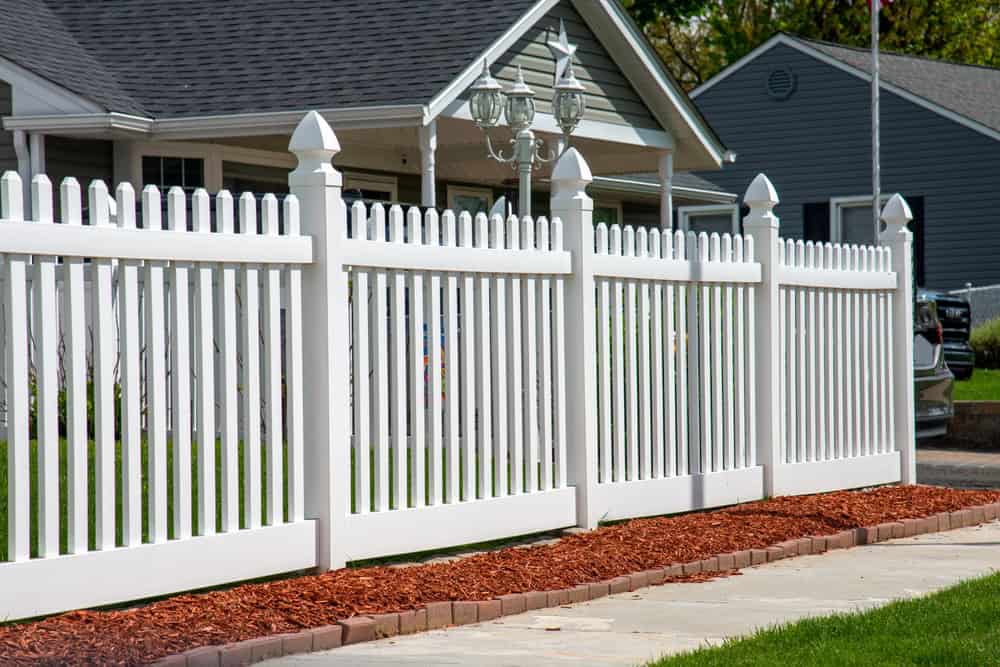
Vinyl is the MVP of Florida fencing. It doesn’t rot, warp, or get eaten by termites. In Marion County’s heat, it stays looking new while wood fences start looking like they’ve aged forty years in a single summer.
For buyers, vinyl is a “set it and forget it” feature. They love that. The upfront cost is higher, but because it lasts 20–30 years, it’s a massive selling point. Plus, if a hurricane rolls through, high-quality vinyl has enough “flex” to survive winds that would turn a wooden fence into a pile of expensive toothpicks.
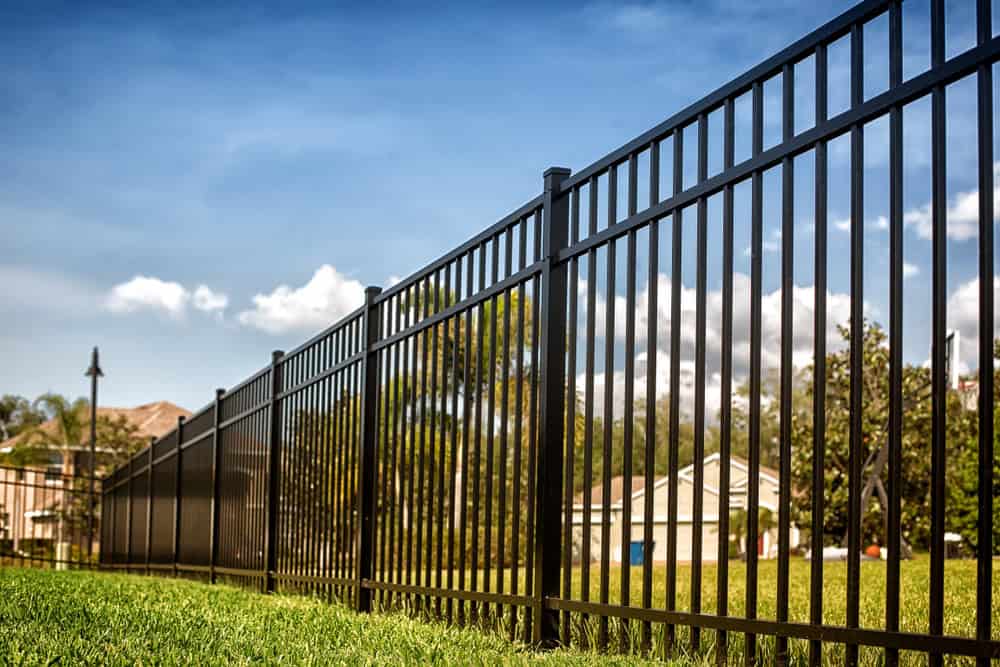
Aluminum is perfect for that high-end, “I have a pool and a lifestyle” look. It doesn’t rust, it doesn’t block the view, and it’s basically indestructible. It’s the favorite for front yards or properties bordering lakes or golf courses where you want security without feeling like you’re in prison.
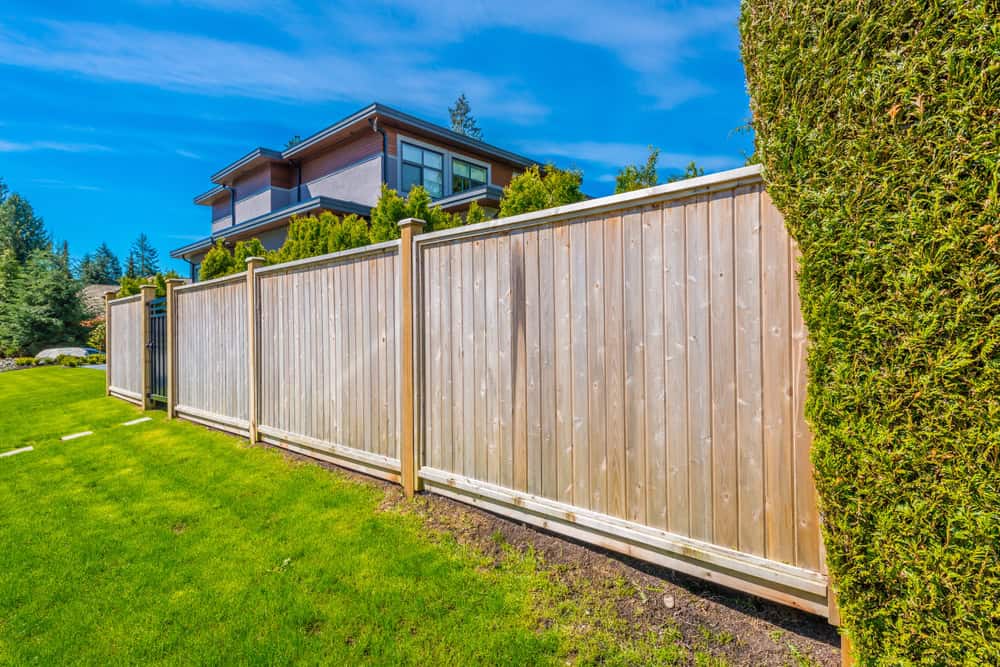
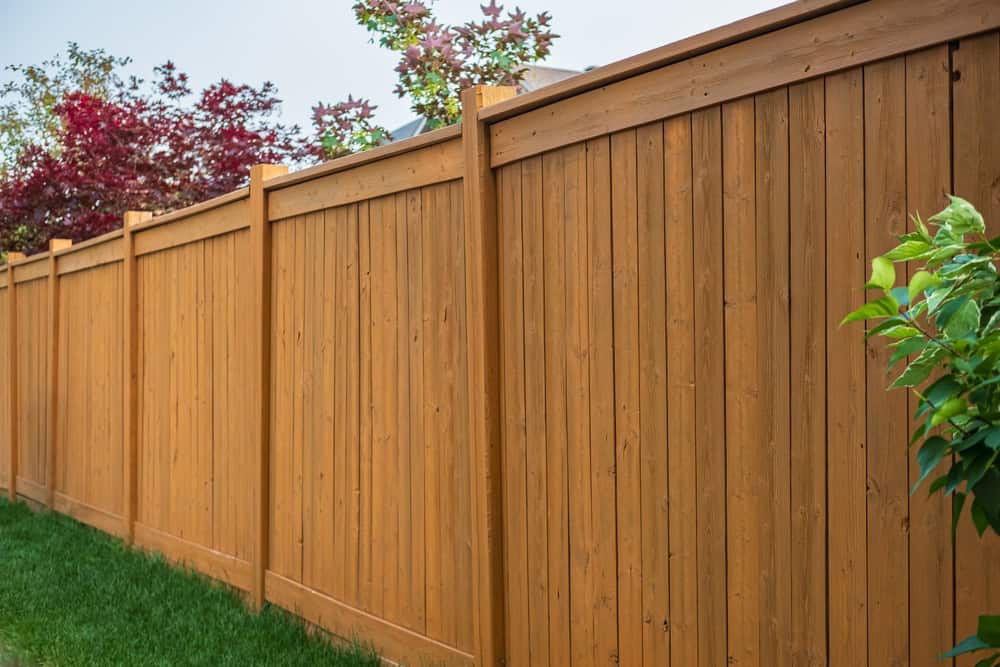
Wood is the classic choice. It’s the cheapest upfront, which is great for your current budget, but it’s a “high-maintenance” relationship. In Florida, you have to seal it and stain it every two years. If you’re selling now and the wood is fresh, it looks great. If you’re selling in five years and haven’t touched it? It’s a liability.
Does a fence increase value? Absolutely. It makes your home sell faster, appeals to the largest group of buyers, and defines your property as a move-in-ready sanctuary.
The best move for your ROI is choosing a material that can handle the Florida “pressure cooker” and hiring a pro who knows how to dig past the sand. At Mossy Oak Fence LLC, we specialize in fences that don’t just look good on day one, but still look great when the “For Sale” sign goes up years later.
Article details:
Share: