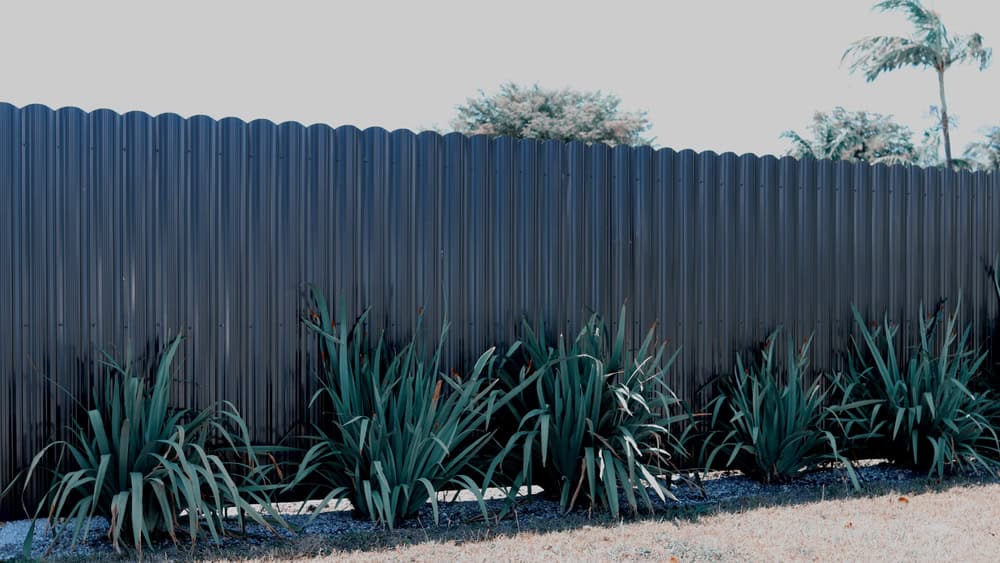
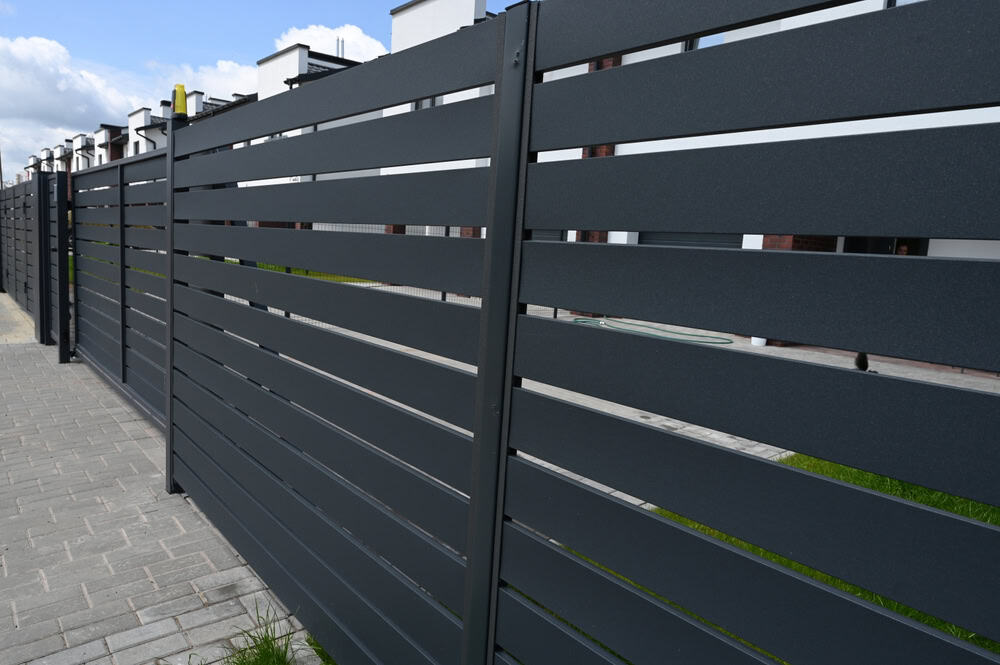
Your fence should work for you, not create more problems. Aluminum fencing in Catalina, FL gives you the look of wrought iron without the maintenance nightmare or the price tag.
Here’s what that means for your property. You’re not repainting every few years. You’re not replacing rotted boards or dealing with rust stains on your driveway. You’re getting a fence that can last 50+ years with nothing more than an occasional rinse from your garden hose.
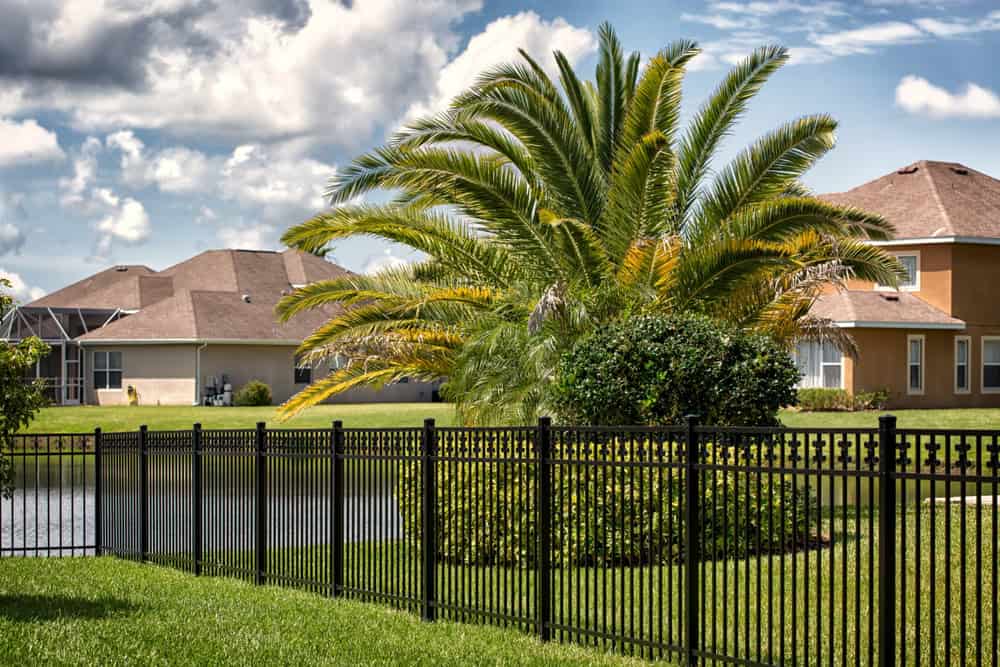
Florida’s climate destroys most fencing materials. The humidity alone causes wood to warp and metal to corrode. Add in the intense UV exposure and seasonal storms, and you’re looking at constant repairs. Aluminum handles all of it. It doesn’t rust in wet conditions. It doesn’t fade under the sun. Wind passes through the picket design instead of knocking panels over.
If you have a pool, you already know about the safety requirements. Aluminum meets those standards while actually looking good around your backyard. It keeps kids and pets where they should be without blocking your sightlines or making your yard feel closed off.
We’ve been serving Central Florida since before aluminum fencing became the go-to choice for homeowners who were tired of maintaining wood. We’re licensed, bonded, and insured in Florida, which matters more than most people realize until something goes wrong.
We’ve installed hundreds of residential aluminum fences across Lake, Orange, Seminole, and surrounding counties. That means we know the soil conditions in Catalina. We know how deep posts need to go. We know which HOAs require pre-approval and which design styles get rejected.
You’re not getting a crew that learned fencing last month. You’re getting installers who’ve worked through Florida summers, handled tricky property lines, and fixed other companies’ mistakes enough times to know what actually holds up long-term.
We start with your property, not a sales pitch. Someone comes out to look at your yard, measure the perimeter, check for any grade issues or obstacles, and talk through what you’re trying to accomplish. Pool enclosure? Backyard boundary? Front yard curb appeal? The design changes based on function.
Once you approve the quote, we handle the permit paperwork if your project requires it. Most residential aluminum fence installations in Catalina, FL need permits, and we pull those so you don’t have to stand in line at the county office. If you’re in an HOA, we’ll tell you exactly what documentation you need to submit for approval.
Installation day depends on your fence length, but most residential jobs finish in one to two days. We mark your property lines, set the posts in concrete, and install the panels with proper spacing and alignment. Gates get installed last, and we make sure they swing smoothly and latch securely before we leave.
You’ll see the crew clean up the work area completely. No leftover concrete chunks in your grass. No packaging materials stuffed behind your shed. We haul everything off-site when we’re done.
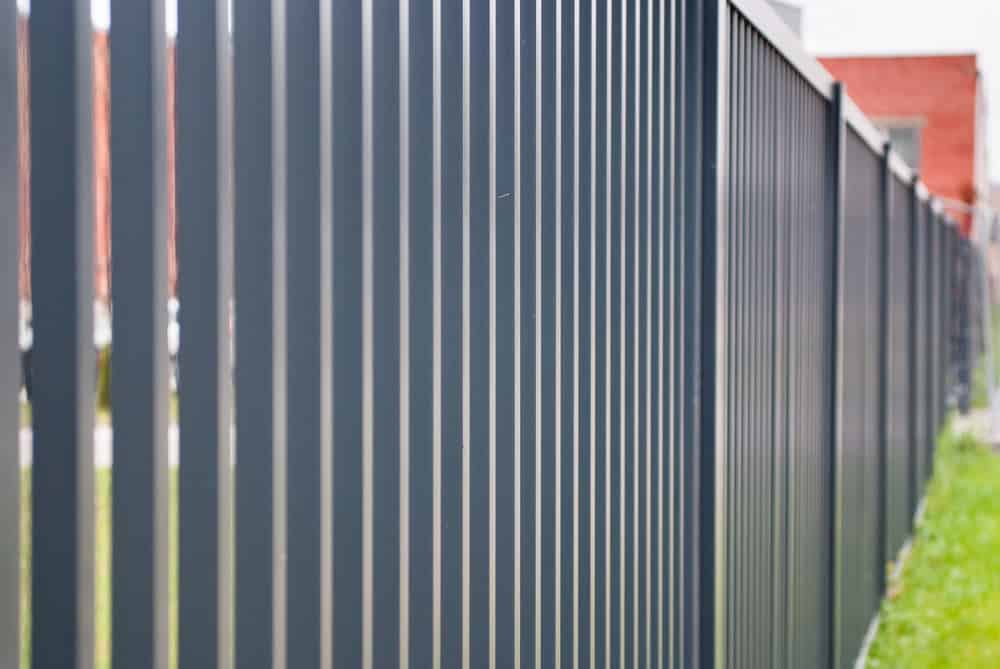
Ready to get started?
You’re choosing from multiple height options, typically ranging from three feet for decorative borders up to six feet for privacy and security. The style affects both appearance and cost. Classic picket designs work for front yards. Spear-top or flat-top styles give you different looks. Some homeowners in Catalina, FL add decorative post caps or finials for extra detail.
Color matters more than you’d think. Black is the most popular because it mimics wrought iron. Bronze and white are common for matching specific home styles. The powder-coat finish is baked on during manufacturing, so it’s not something that chips off like paint.
Gates are part of most installations. Single gates work for walk-through access. Double gates handle lawn equipment or vehicle access. We install self-closing hinges on pool gates to meet Florida safety codes. The latch hardware is stainless steel because cheap latches corrode fast in humid climates.
Your installation includes concrete footings for every post. That’s not optional in Florida. The sandy soil and occasional ground saturation mean posts need solid anchoring or they’ll shift over time. We dig below the frost line and set posts in concrete that’s mixed for Florida’s conditions.
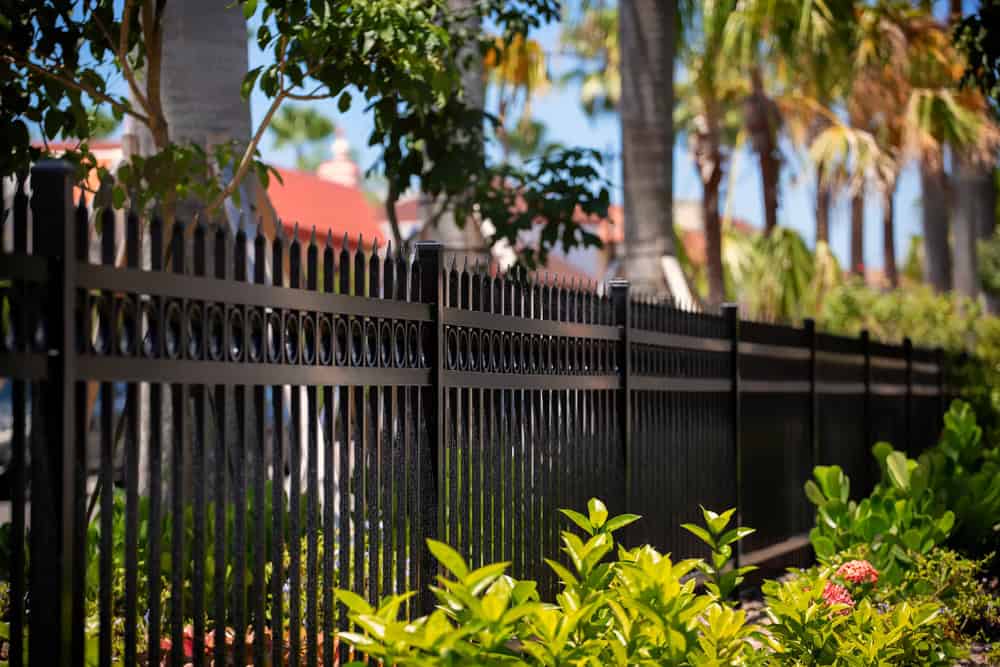
Most residential aluminum fence installations in Catalina run between $25 and $45 per linear foot. That’s a wide range because your final cost depends on fence height, style complexity, gate quantity, and site conditions.
A basic four-foot-tall picket fence with one gate costs less than a six-foot ornamental design with multiple gates and decorative caps. If your property has significant grade changes, the installation takes longer and costs more because each panel needs to be racked or stepped to follow the terrain.
The upfront cost is higher than chain link or basic wood, but you’re not comparing the same product lifespan. Aluminum lasts 50+ years with almost no maintenance. Wood needs replacing in 15 to 20 years, plus you’re paying for staining or painting every few years in between. When you calculate cost over time, aluminum usually wins.
Aluminum fencing performs well in high winds because of how it’s designed. The picket style allows wind to pass through instead of catching it like a solid panel would. That reduces the force against the posts and prevents the whole section from toppling over.
That said, no fence is hurricane-proof. If you’re in a direct hit from a Category 4 storm, you might see damage. But aluminum handles typical Florida weather, including the severe thunderstorms and tropical storm conditions we get regularly, better than most materials.
The key is proper installation. Posts need to be set deep enough in concrete, and the panels need to be secured correctly to the rails. We’ve seen aluminum fences still standing after storms that destroyed wood fences in the same neighborhood. The difference usually comes down to installation quality, not just the material itself.
If you live in a neighborhood with a homeowners association, yes. Most HOAs in Central Florida have architectural review boards that require pre-approval for any exterior changes, including fences. Skipping this step can result in fines or being forced to remove the fence entirely.
Each HOA has different rules about fence height, style, color, and placement. Some only allow fencing in backyards. Others restrict certain colors or decorative elements. You’ll need to submit a formal request with details about the fence design, dimensions, and location on your property.
We can tell you what typically gets approved based on the hundreds of installations we’ve done across the area, but we can’t submit the paperwork for you. That’s between you and your HOA. Get approval in writing before installation starts. Verbal permission from a board member doesn’t count if someone challenges it later.
Most residential aluminum fence installations finish in one to two days, depending on the linear footage and site complexity. A straightforward backyard enclosure with level ground and easy access usually takes one full day. Larger properties or yards with slopes, trees, or difficult terrain take longer.
Weather can delay things. We don’t pour concrete in heavy rain because it affects curing. We don’t install in lightning storms for obvious reasons. Florida’s afternoon thunderstorms are predictable, so we usually start early and work around the weather pattern.
The timeline also depends on whether permits are required. If your project needs a permit, add a week or two to the schedule for processing. HOA approvals can take even longer, sometimes 30 days or more depending on when the board meets. The actual installation is quick. The paperwork beforehand is what extends the overall timeline.
Almost none. That’s the main reason people choose aluminum fencing in Catalina, FL over other materials. You’re not painting, staining, or sealing anything. You’re not replacing rotted boards or sanding down splinters.
Rinse your fence with a garden hose a few times a year to remove pollen, dirt, and any salt spray if you’re near the coast. That’s it for most homeowners. If you want to go further, you can wash it with mild soap and water, but that’s optional.
Check the gate hardware occasionally. Hinges and latches get used more than the fence itself, so they’re the first things to show wear. Tighten any loose screws. Spray some lubricant on hinges if they start squeaking. That’s about as complicated as aluminum fence maintenance gets, which is why it makes sense for people who don’t want another weekend project on their list.
Yes, and it’s one of the most common applications. Florida law requires pool barriers that meet specific safety standards, and aluminum fencing checks all the boxes. It’s non-climbable when installed at the correct height. It’s durable enough to contain the area without constant repairs. It looks better than chain link.
The gates need self-closing hinges and self-latching mechanisms that engage automatically. The latch has to be positioned high enough that young children can’t reach it. These aren’t suggestions—they’re code requirements that get checked during inspections.
Aluminum works well around pools because it doesn’t corrode from pool chemicals or constant water exposure. Chlorine and salt systems destroy some materials over time, but aluminum handles the environment without deteriorating. You get safety compliance and longevity in the same installation, which is exactly what you need for a pool enclosure that you’re not planning to replace in five years.
Other Services we provide in Catalina