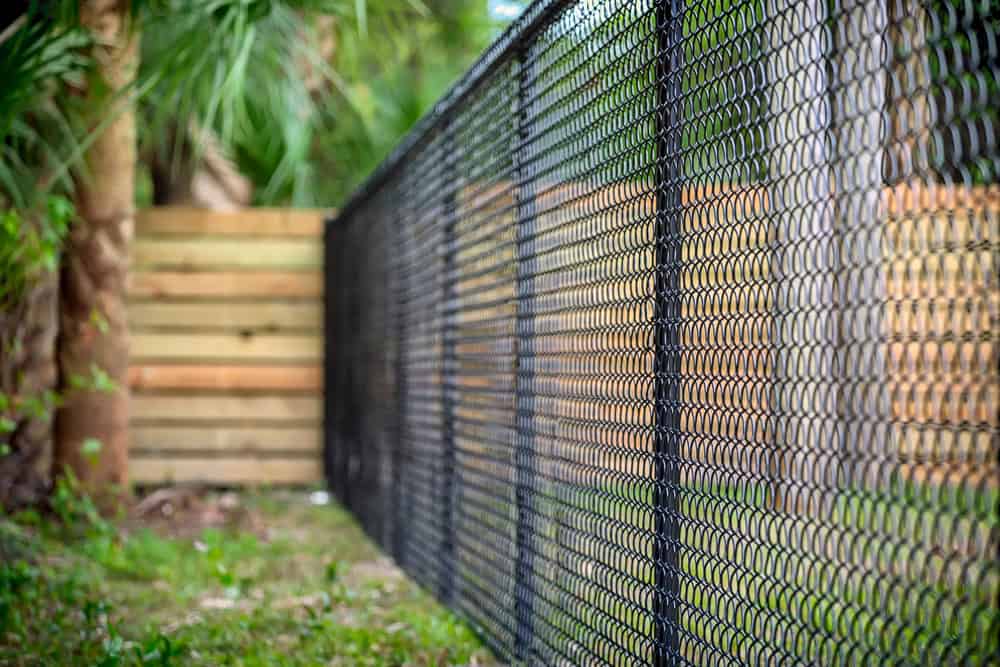
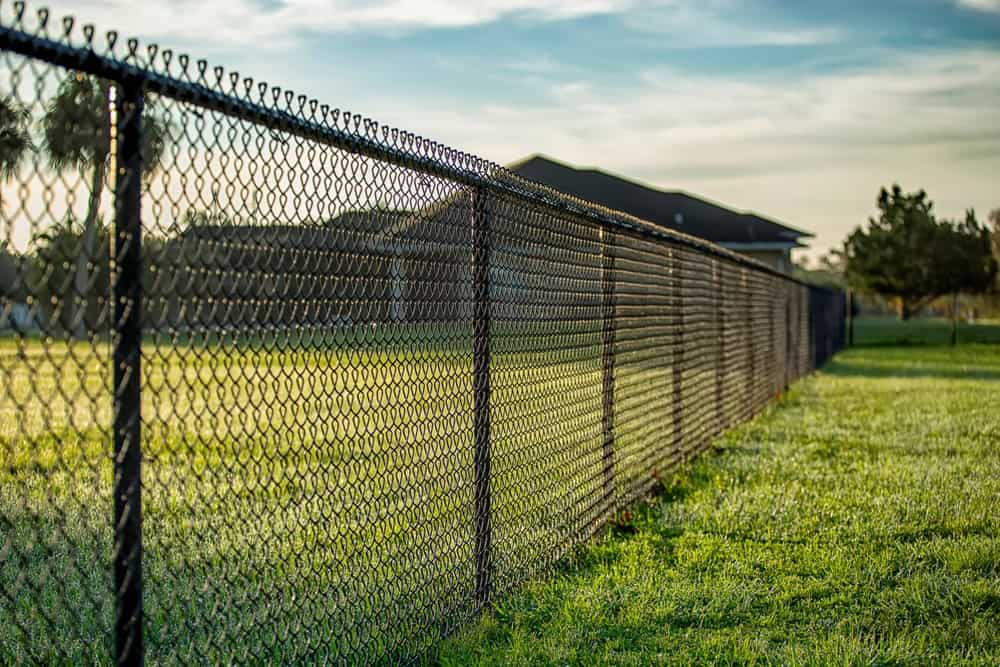
You’re not just getting a fence. You’re getting a barrier that flexes during hurricane winds instead of snapping like wood or vinyl. The open weave design reduces wind load by 60-80%, which matters when you’re dealing with Florida’s storm season.
Your dogs stay contained without you hovering over them every time they’re outside. The mesh is tight enough to prevent escapes but open enough to let air flow through, keeping your yard cooler than solid fencing would.
Pool owners get code-compliant barriers that meet Florida’s four-foot minimum height requirement. The installation includes self-closing gates with proper latching mechanisms, so you’re covered when inspectors show up. No callbacks, no violations, no stress about whether it was done right.
Most residential installations wrap up in one to three days. You’re not looking at weeks of construction noise and disruption. The galvanized steel resists rust in Central Florida’s humidity, and vinyl-coated options add extra protection if you’re near any saltwater exposure.
We’ve been handling residential and commercial fence installations throughout Orange County since before chain link became the go-to choice for hurricane-conscious homeowners. We’ve seen what fails during storms and what holds up.
Every installer on our team is licensed and insured in Florida. That matters when you’re digging post holes in Catalina’s variable soil conditions or navigating Orange County’s permit requirements. We manufacture locally and use materials made in the USA, which means faster turnaround when you need repairs or modifications down the road.
We serve nine counties across Central Florida, but we’re not trying to be everything to everyone. You get transparent pricing before work starts, installations that meet Florida Building Code wind standards for 150 mph gusts, and a one-year labor warranty that actually means something if issues come up.
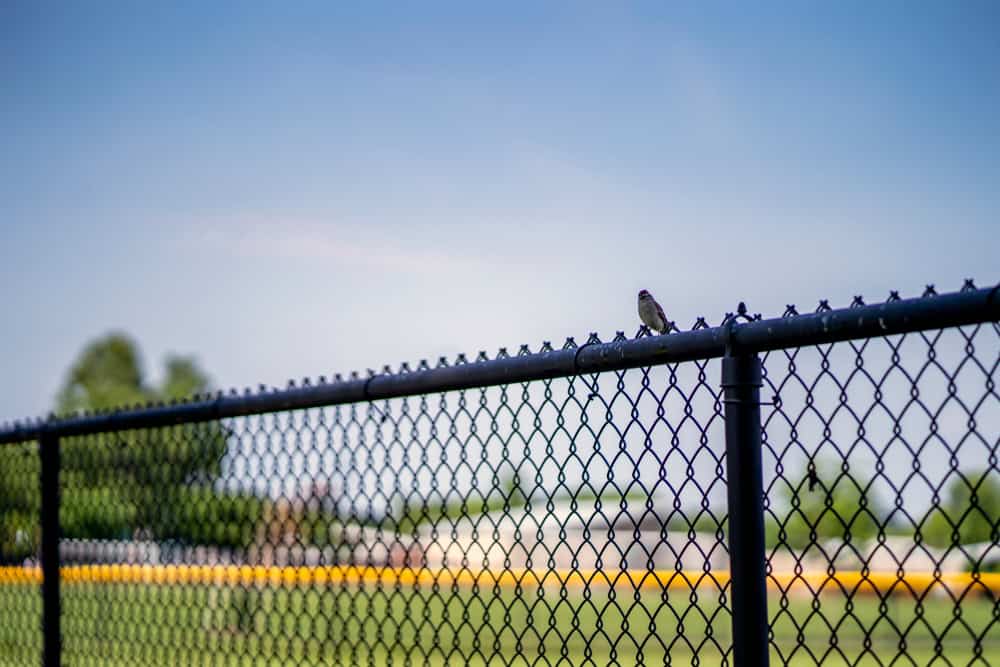
First, we walk your property line and identify any grade changes, underground utilities, or HOA restrictions that could complicate the job. You’ll know upfront if your terrain requires concrete footings or if standard installation works fine.
Next comes the permit process. Most fences over six feet in Orange County need permits, and we handle that paperwork instead of making you figure out what the building department wants. Our relationship with local permit offices speeds things up compared to homeowners trying to navigate it solo.
Installation starts with corner and end posts set in concrete. These anchor points take the most stress, so they’re braced properly before any mesh goes up. Line posts get spaced according to your fence height and local wind load requirements—not just generic spacing that might work in calmer climates.
The mesh gets stretched tight and secured with tension wire at the bottom to prevent sagging. Gates get hung with heavy-duty hinges and self-closing hardware if you’re fencing a pool. We clean up the site completely, haul off any excess materials, and walk you through basic maintenance before we leave.
Ready to get started?
Standard galvanized chain link comes with a zinc coating that handles Florida’s humidity without constant rust battles. You’re looking at 20-plus years of service life with minimal upkeep—occasional hosing to remove pollen buildup is usually enough.
Vinyl-coated options add color and extra corrosion resistance if your property is anywhere near coastal areas or if aesthetics matter more than raw cost savings. Black and green are the most common choices in Catalina neighborhoods, blending better with landscaping than bare metal.
Height options range from four feet for basic boundary marking up to eight feet for serious security or commercial applications. Taller fences need beefier posts and deeper footings to handle wind loads properly, which is why Orange County’s building code gets specific about installation requirements above six feet.
Gate configurations match your access needs—single walk gates for backyards, double drive gates for side yard equipment access, or commercial-grade rolling gates if you’re fencing a larger property. All hardware is weather-resistant and designed for Florida’s climate, not generic stuff that corrodes in two years.
Privacy slats can be woven through the mesh if you want to block sightlines without switching to a solid fence. They reduce airflow somewhat but still perform better in high winds than wood or vinyl panels that act like sails during hurricanes.
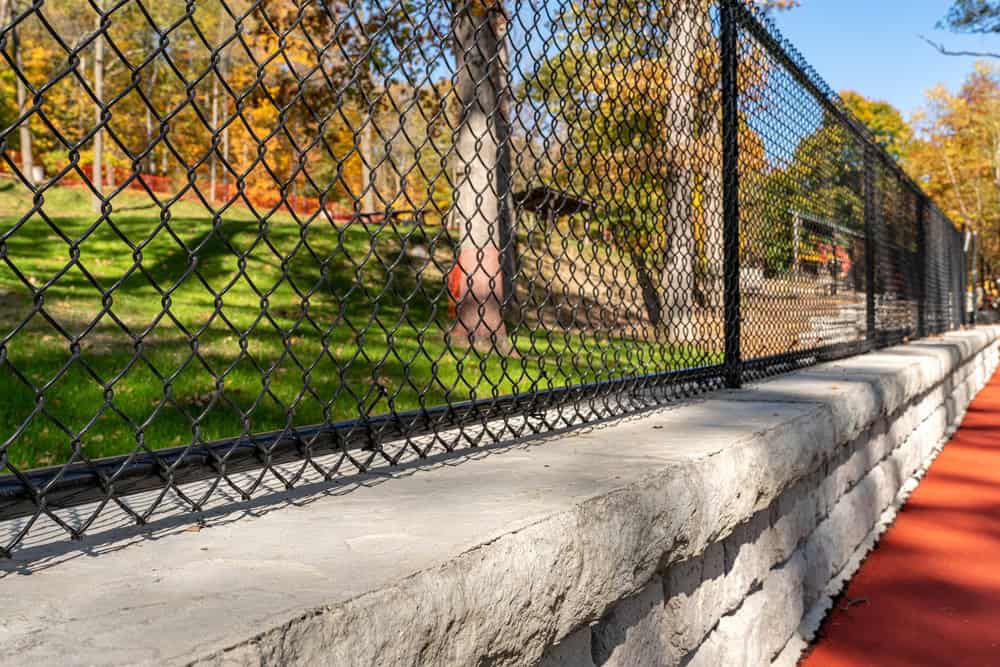
You’re typically looking at $10 to $20 per linear foot for professional installation in Central Florida, though that range shifts based on height, coating type, and your property’s specific challenges. A standard four-foot residential fence runs cheaper than six-foot vinyl-coated with privacy slats.
Terrain impacts cost more than most homeowners expect. If your property has significant slope or rocky soil that requires concrete footings for every post instead of just corners, you’ll see higher numbers. Same goes if we’re working around existing landscaping you want preserved or if access is limited and we can’t bring equipment through easily.
Permits add $100 to $300 depending on Orange County’s current fee structure and whether your fence needs engineering stamps for wind load calculations. We include permit costs in our quotes so you’re not surprised later. The cheapest quote isn’t always the best deal if it skips permits and leaves you liable when code enforcement shows up.
Chain link performs better in hurricanes than most people realize, specifically because it doesn’t try to fight the wind. The open mesh lets air pass through instead of creating a solid barrier that catches wind load like a sail. That flexibility is why you see chain link still standing after storms that flatten wood and vinyl fences.
Proper installation matters more than the fence type. Corner posts need concrete footings deep enough to prevent uplift, and line posts need spacing that matches Florida Building Code requirements for your fence height. We install to 150 mph wind standards because that’s what Orange County requires in our zone, not because it sounds impressive in marketing.
The mesh itself can bend under extreme loads and return to shape once winds die down. Galvanized coating prevents rust even when the fence is soaked for days during prolonged storms. If you’re in a flood-prone area of Catalina, chain link won’t rot or delaminate like wood-based fencing materials when water sits against it.
Orange County typically requires permits for any fence over six feet tall, and some HOAs in Catalina have additional restrictions regardless of height. You’ll need to check your specific subdivision’s covenants before installation starts, because HOA violations can force expensive removal even if the county approved your permit.
The permit process involves submitting a site plan showing fence location relative to property lines, easements, and existing structures. If your fence is tall or in a high-wind zone, you might need engineering calculations proving it meets wind load requirements. Most homeowners find this process confusing enough that they’d rather pay a contractor to handle it than risk mistakes that delay the project.
Skipping permits seems tempting when you see the fees, but it creates problems when you sell the property or if a neighbor complains to code enforcement. Unpermitted work can result in fines, forced removal, and complications with title insurance. We pull permits as part of the job because we’re licensed and bonded—we can’t afford to cut corners that come back on us later.
Most residential chain link installations in Catalina finish in one to three days depending on linear footage and site conditions. A straightforward backyard fence with level ground and easy access goes faster than a property with slopes, trees, or limited equipment access.
Permit approval adds time before installation starts—usually one to two weeks in Orange County if everything’s submitted correctly the first time. We handle that process while you’re making final decisions about height and coating options, so it’s not dead time where nothing’s happening.
Weather delays are real in Central Florida. We can’t pour concrete footings in heavy rain, and working in lightning storms isn’t safe for our crews. Summer afternoon thunderstorms might push a two-day job into three, but we’re not leaving your property torn up for weeks. You’ll have a functional fence before the weekend if we start Monday, barring any major complications.
Galvanized chain link needs almost nothing beyond occasional hosing to remove pollen, dirt, and salt buildup. You’re not painting, staining, or sealing like you would with wood. You’re not worrying about panels cracking in the sun like vinyl. The fence just sits there doing its job.
Check gate hardware once or twice a year to make sure hinges haven’t loosened and latches still catch properly. A little spray lubricant on moving parts prevents rust in Florida’s humidity. If you have a self-closing pool gate, test the closing mechanism periodically to ensure it still meets code requirements—that’s a safety issue, not just maintenance.
Vinyl-coated chain link might show wear on the coating after 10-15 years in high-traffic areas where kids or dogs constantly rub against it. The underlying galvanized steel still protects against rust, but exposed spots can be touched up with vinyl repair coating if appearance matters to you. Most homeowners don’t bother unless it’s a front yard fence where curb appeal is a concern.
Chain link works well for most dogs if you choose the right height and add a dig guard for breeds that tunnel. Four-foot fencing contains smaller dogs and older pets that aren’t jumping or climbing. Larger, more athletic breeds need six feet minimum, and some determined dogs require eight feet if they’re serious jumpers.
The mesh gauge matters for small dogs. Standard residential chain link has openings around two inches, which prevents most dogs from squeezing through but might not stop tiny breeds or puppies. We can install tighter mesh if you have small dogs, though it costs more than standard gauge.
Dig guards are buried wire mesh extending 12-18 inches underground along the fence line. They stop dogs from digging under the fence, which is how most escapes happen with determined diggers. If your dog has ever tunneled under a barrier before, you want this installed from the start rather than adding it after they’ve already escaped a few times.
Other Services we provide in Catalina