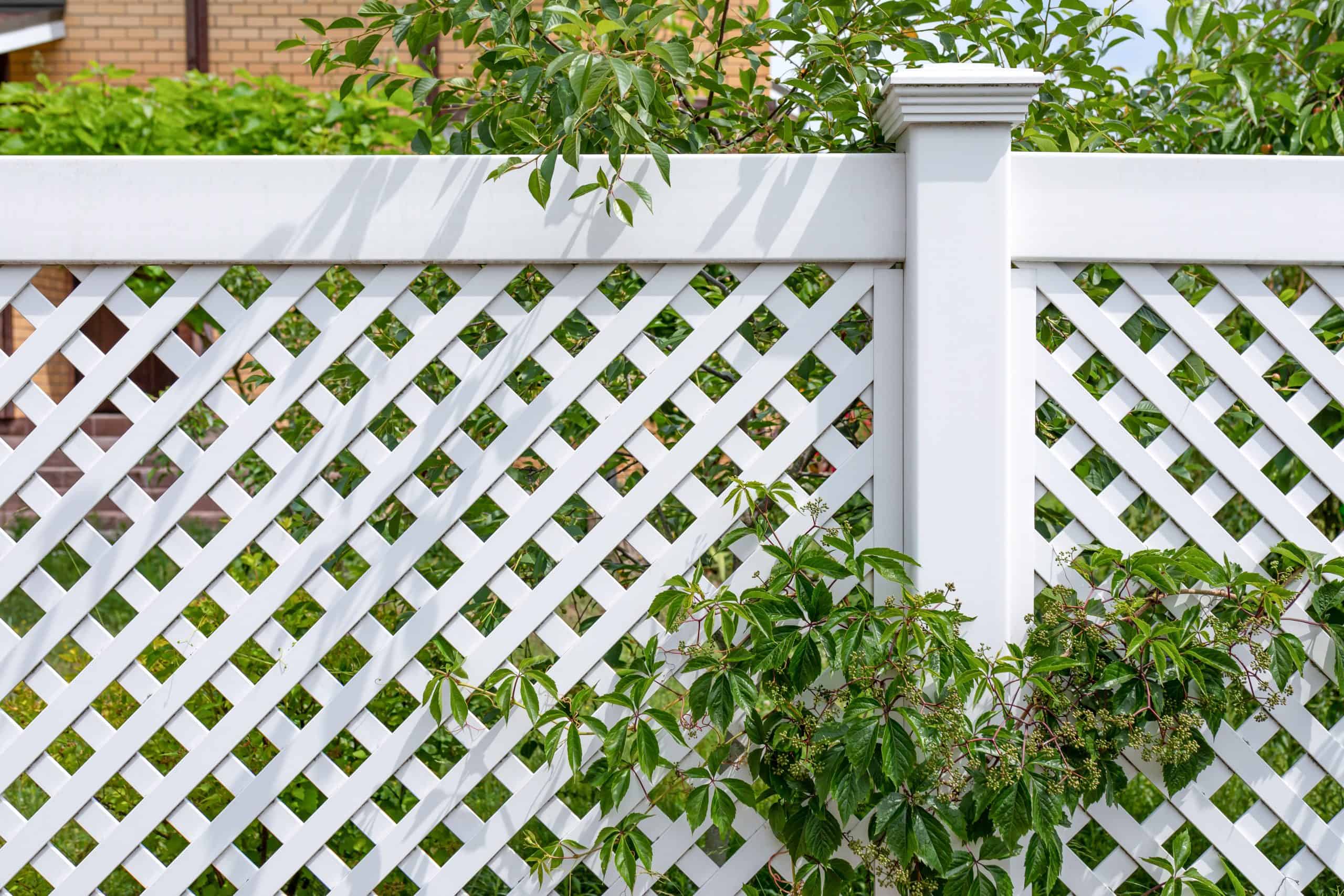
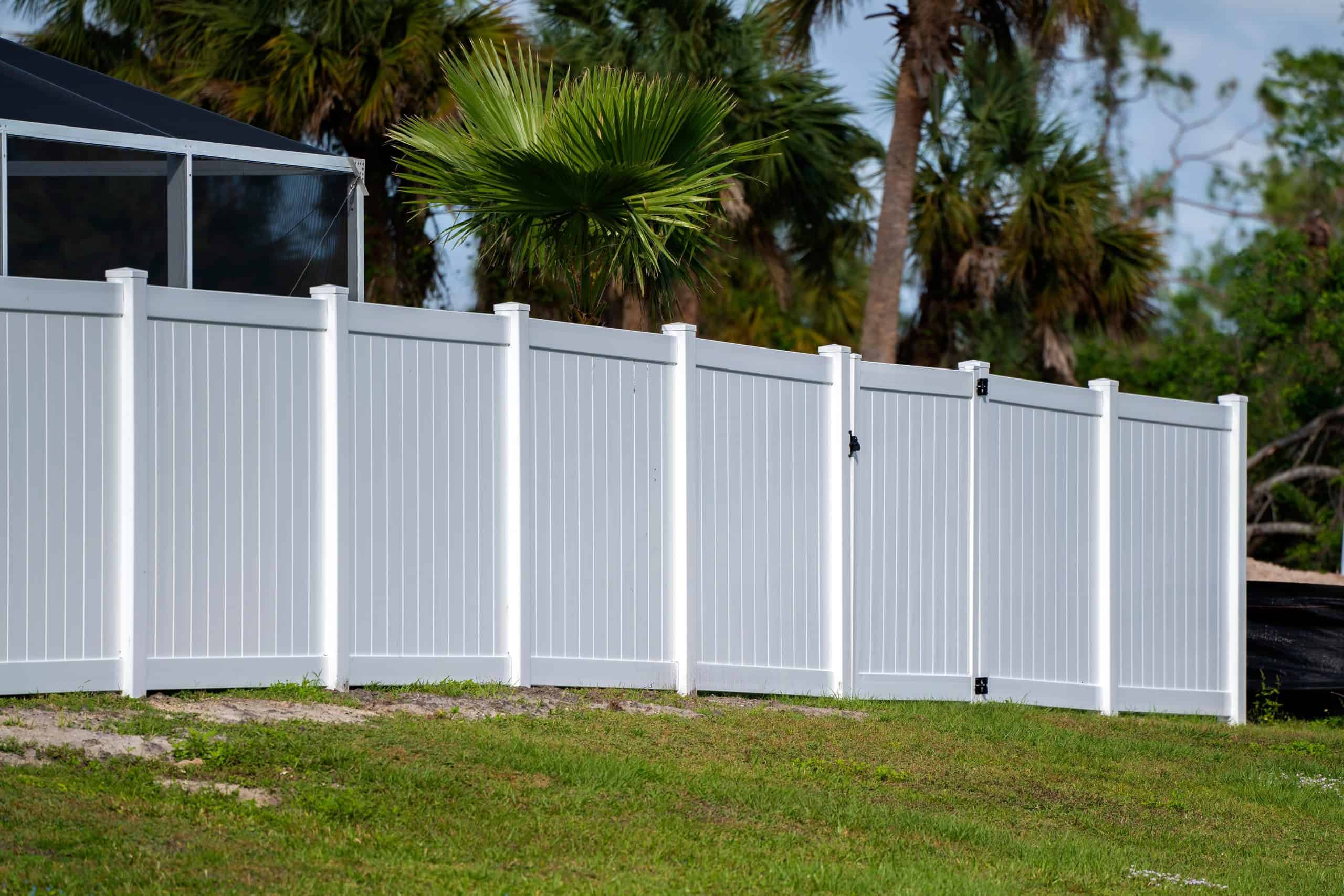
You’re done worrying about maintenance schedules. Vinyl fences don’t need the constant upkeep that wood demands—no staining, sealing, or repainting every few years. A quick rinse with your garden hose handles the pollen and dust, and you’re good to go.
Florida weather doesn’t play nice with most fencing materials, but vinyl holds up. It doesn’t absorb moisture, so you won’t deal with rot, warping, or insect damage that tears through wood. The material flexes during wind gusts instead of snapping, which matters when storms roll through Catalina, FL and the surrounding areas.
You’ll also keep the same clean look for decades. Vinyl doesn’t splinter, crack, or fade the way wood does under constant sun exposure. Your fence stays uniform and intact without the sagging boards or peeling paint you see on older wooden installations. With proper installation, you’re looking at 20 to 30 years of performance—that’s a solid return on what you’re putting in now.
We’ve been handling residential vinyl fence installation across Central Florida for over two decades. We’re licensed, bonded, and insured in the state of Florida, which means you’re covered if anything goes sideways. That’s not always the case with every contractor you’ll find online.
We serve Lake, Orange, Seminole, Brevard, Volusia, Osceola, Polk, Sumter, and Marion counties, including Catalina, FL. Our crews know the local soil conditions, drainage issues, and wind requirements that matter when you’re installing a fence that needs to last. We’ve seen what happens when corners get cut, and we don’t operate that way.
You’ll get transparent pricing with no surprise charges halfway through the job. Our installation timeline is realistic, and we show up when we say we will. Over 175 Google reviews back that up.

First, we walk your property and talk through what you need. Privacy? A picket-style fence for the front yard? Something that can handle your dogs or keep the kids safely in the backyard? We measure the layout, check for any drainage or grading issues, and confirm local permit requirements so nothing holds up the project later.
Once we’ve locked in the design and materials, we handle the permits. Different counties around Catalina, FL have specific codes for fence height and setback distances from property lines. Skipping that step leads to fines or forced removal, so we make sure it’s done right from the start.
Installation day, our crew sets the posts first. Depth and spacing matter here—especially in Florida’s sandy or poorly draining soil. Posts get set in concrete to handle wind loads and keep everything level. Then we install the vinyl fence panels, making sure gates swing smoothly and latches work properly. We clean up the site when we’re done and walk the fence line with you to confirm everything meets your expectations.
The whole process typically takes a few days depending on the size of your property. You’re not waiting weeks, and you’re not dealing with a half-finished project sitting in your yard.

Ready to get started?
You’re getting high-quality vinyl materials engineered to handle Florida’s climate. That means UV-resistant panels that won’t fade under constant sun exposure and posts designed to flex during high winds instead of cracking. We’re not using the cheapest vinyl available—we use materials that hold up for the long term.
Our installation includes proper post-setting with concrete, which is critical in Central Florida where soil drainage and storm winds create real challenges. Posts need to be deep enough and stable enough to handle at least 75 mph winds. That’s not optional in this area—it’s necessary.
We also handle the permit process for you. Catalina, FL and surrounding counties enforce zoning laws and setback requirements that vary depending on where your property sits. We contact the local building department, verify the codes, and submit the paperwork so you don’t have to navigate that yourself.
You’ll also get a final walkthrough after installation. We check that gates operate smoothly, panels are level, and everything matches what we discussed during planning. If something’s off, we fix it before we consider the job complete. That’s standard, not an upgrade.

Most vinyl fence installations run between $15 and $40 per linear foot, depending on the style and height you choose. A standard privacy fence costs more than a picket fence because of the material volume and labor involved. If you’re fencing a typical backyard—say, 150 linear feet—you’re looking at somewhere between $2,250 and $6,000 for the full project.
That price includes materials and labor, but it can shift based on your property. If your yard has drainage issues, steep grading, or difficult access for equipment, that adds time and complexity. Same goes if you need gates, custom corners, or specific panel styles.
The upfront cost is higher than wood, but you’re not repainting or replacing boards every few years. Vinyl lasts 20 to 30 years with almost no maintenance, so the long-term cost actually works in your favor. You’re paying more now to avoid the recurring expenses that come with wood fences in Florida’s climate.
Yes, if it’s installed correctly. Vinyl fences are designed to flex during high winds rather than snap like wood or buckle like some metal options. The material itself can handle wind speeds of at least 75 mph when the posts are set properly and the panels are secured the right way.
The key is in the installation. Posts need to be deep enough—typically 2 to 3 feet depending on soil conditions—and set in concrete to create a stable foundation. In Catalina, FL, where soil can be sandy or drain poorly, that depth and concrete mix matter even more. If posts aren’t anchored correctly, even a strong material like vinyl won’t hold up when a storm hits.
We also space the posts according to manufacturer specs and local wind load requirements. Cutting corners on spacing or using shallow post holes is where you see fences leaning or collapsing after heavy weather. A properly installed vinyl fence weathers Florida storms without the rot, rust, or structural damage you’d see with wood or chain link.
You’re looking at 20 to 30 years with a quality vinyl fence that’s installed correctly. The material doesn’t absorb moisture, so you won’t deal with the rot and warping that destroys wood fences in Florida’s humid, wet environment. It also resists insect damage—termites won’t touch it, which is a huge advantage in this part of the country.
UV resistance is another factor. High-quality vinyl is engineered to resist fading and brittleness from constant sun exposure. Cheaper vinyl can start to discolor or crack after a few years under Florida’s intense heat, but the materials we use are built to hold their color and structural integrity for decades.
The lifespan also depends on installation quality. If posts aren’t set deep enough or the panels aren’t secured properly, you’ll see issues sooner. But when the groundwork is solid and the materials are right, vinyl outlasts wood by a significant margin and requires almost no maintenance along the way. You’re not replacing boards, repainting, or dealing with structural repairs every few years.
Most likely, yes. Catalina, FL falls under county jurisdiction, and local building departments enforce zoning laws and permit requirements for fence installations. The rules typically cover fence height, setback distances from property lines, and placement near easements or right-of-ways. Skipping the permit process can result in fines or being forced to remove the fence entirely.
Height restrictions are common. Many counties limit front yard fences to 3 or 4 feet and backyard fences to 6 feet, but those numbers vary depending on your specific zoning district. Setback requirements determine how close you can build to your property line, and those distances differ between residential and corner lots.
We handle the permit process as part of our installation service. We contact the local building department, verify the codes that apply to your property, and submit the necessary paperwork. That removes the guesswork and keeps your project on track without delays or compliance issues. It’s one less thing you have to manage, and it ensures the fence is legal from day one.
They’re the same thing. Vinyl fencing is made from PVC—polyvinyl chloride—so the terms get used interchangeably. Some manufacturers or contractors might say “PVC fence” to emphasize the material quality or durability, but you’re talking about the same product either way.
What does vary is the quality of the vinyl itself. Not all PVC fencing is built the same. Cheaper options use thinner material or lack UV inhibitors, which means they’ll fade, crack, or become brittle faster under Florida sun. Higher-grade vinyl includes additives that resist UV damage and maintain flexibility in extreme temperatures, which is critical in Central Florida’s climate.
When you’re comparing quotes or materials, ask about the thickness of the panels and posts, the type of UV protection included, and whether the product meets wind load requirements for your area. Those details determine whether your fence lasts 10 years or 30. The material name might be the same, but the performance differences are real.
You can technically do it yourself, but the results depend heavily on your experience with fence installation and your property’s specific conditions. Vinyl fence panels aren’t overly complicated to assemble, but getting the posts level, properly spaced, and set at the right depth requires precision. If the posts aren’t plumb or the spacing is off, your panels won’t fit correctly and the fence will look uneven.
The bigger challenge is dealing with Florida-specific issues. Soil conditions around Catalina, FL can be sandy or poorly draining, which affects how you set posts and what concrete mix you use. You also need to account for wind load requirements—posts must be deep enough and stable enough to handle storm-force winds. Missing those details leads to fences that lean, sag, or fail during the first major storm.
Hiring a licensed contractor also covers the permit process, which most DIYers underestimate. Local codes dictate height limits, setback distances, and placement restrictions, and getting it wrong means fines or tearing the fence down. We handle that upfront, ensure the installation meets structural requirements, and back the work with a warranty. You’re paying for expertise that prevents costly mistakes and ensures the fence actually lasts.
Other Services we provide in Catalina