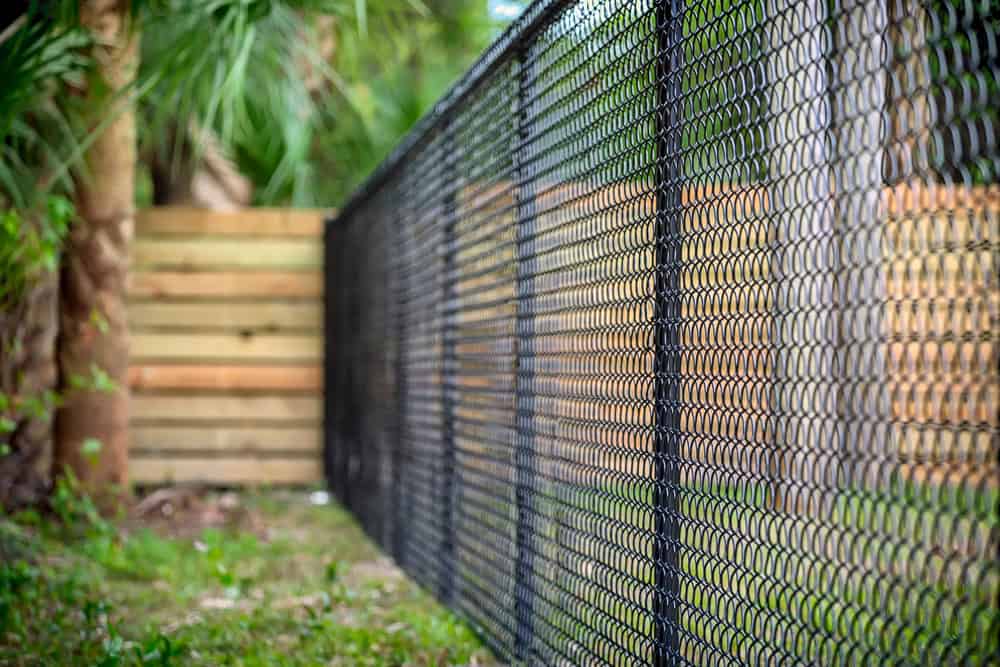
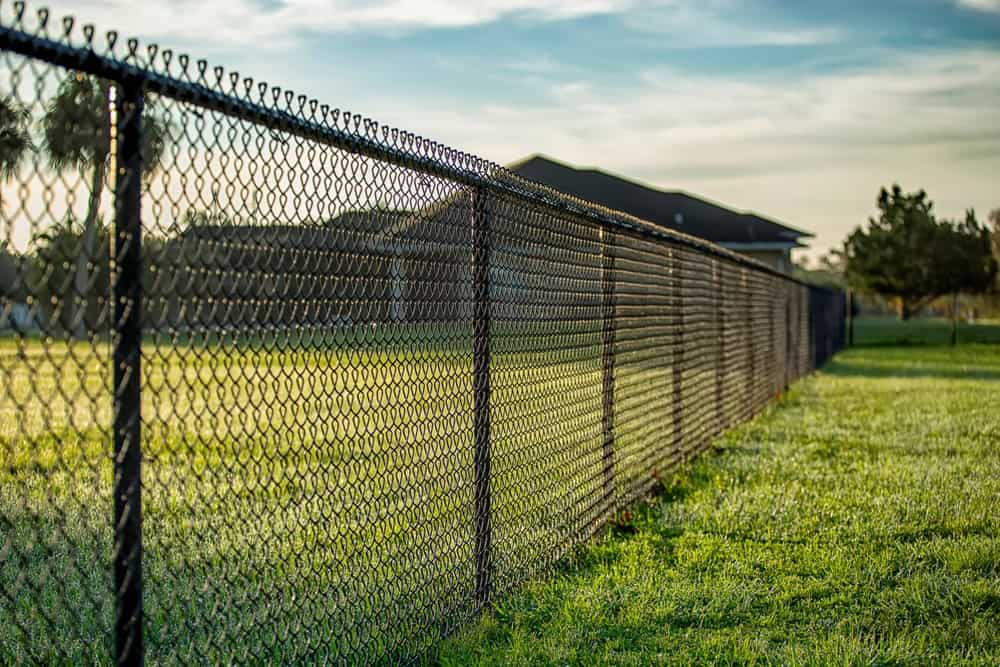
Your property becomes more secure without blocking sightlines. Pets and kids stay contained. Wind passes through instead of pushing against a solid wall, which matters when you’re dealing with Florida storms.
Chain link installation in Flamingo, FL means working with materials designed for this climate. Galvanized steel resists rust from humidity and salt air. Vinyl coating adds years to the lifespan and gives you color options beyond basic silver.
The fence goes up fast, usually within a few days depending on your property size. Once it’s in, you’re not repainting or restaining every few years. A hose and some occasional tightening keeps it functional for decades.
We handle residential and commercial fence projects throughout Lake, Orange, Seminole, Brevard, Volusia, Osceola, Polk, Sumter, and Marion counties. We’ve installed chain link on flat lots, sloped properties, and everything in between.
Our pricing is transparent. No hidden fees or surprise charges after we start the job. You’ll know what you’re paying before we dig the first post hole.
We use quality materials because cheap chain link fails faster in Florida’s climate. Our installations meet Florida Building Code requirements, which means proper post depth, correct tensioning, and hardware that won’t corrode in two years.
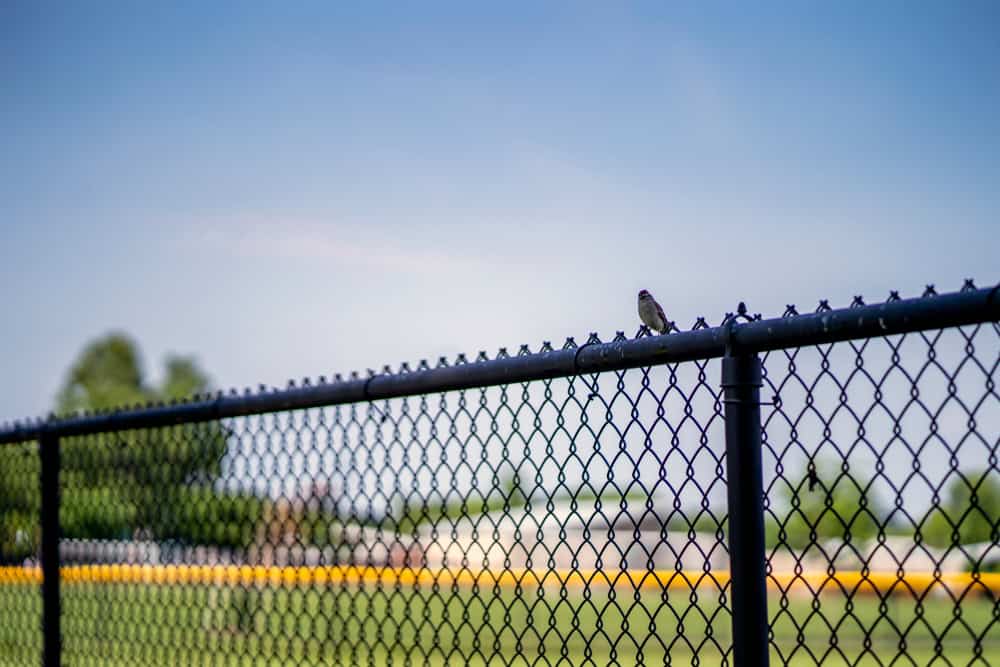
First, we measure your property and discuss what you need. Height, gate locations, any obstacles like trees or utilities. You’ll get a clear quote based on linear footage and materials.
Once you approve, we schedule the install. We mark utility lines, set corner and end posts in concrete, then install line posts at proper intervals. Posts need to cure before we hang the fabric, which usually takes a day.
After posts are set, we stretch and attach the chain link fabric. Gates get hung and adjusted. We tension everything properly so the fence doesn’t sag over time. Hardware gets secured, and we walk the perimeter with you to make sure everything meets your expectations.
Most residential chain link fence installations in Flamingo, FL take one to three days depending on size and complexity. Commercial projects with larger perimeters take longer, but we keep the timeline clear from the start.
Ready to get started?
You’re getting galvanized or vinyl-coated chain link fabric in your choice of height. Standard residential heights run four to six feet. Commercial and pool enclosures often go higher based on local code requirements.
Posts are galvanized steel set in concrete. Gates come with frames, hinges, and latches that match your fence finish. If you want privacy slats for added screening, we can install those in various colors.
Florida properties near the coast deal with salt air and constant humidity. Vinyl-coated chain link holds up better in these conditions than bare galvanized, and it costs a bit more upfront but extends your fence lifespan significantly. Most homeowners in Flamingo, FL choose vinyl coating for the added protection and cleaner appearance.
We handle permit requirements if your project needs them. Some areas require permits for fences over a certain height or within certain distances from property lines. We’ll let you know what applies to your situation and take care of the paperwork.
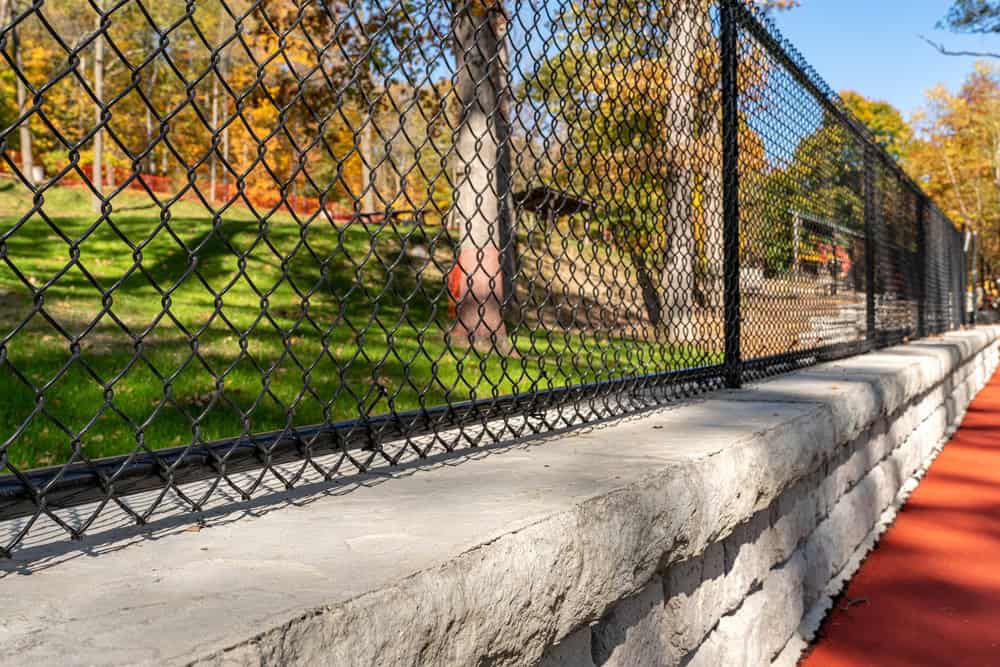
A properly installed chain link fence in Florida lasts 20 years or more with minimal maintenance. Galvanized steel resists rust from humidity, and vinyl-coated options add extra protection against salt air if you’re near the coast.
The key is proper installation. Posts need to be set deep enough and tensioned correctly. Cheap installations with shallow posts or improper fabric tension fail faster because the fence shifts and hardware loosens.
You’ll want to rinse the fence occasionally to remove salt buildup and debris. Check gate hinges and latches once a year and tighten any loose hardware. That’s about it for maintenance compared to wood or vinyl that needs more attention.
Chain link is one of the best fencing materials for high winds because the mesh allows wind to pass through instead of catching it like a solid panel. That’s why it’s sometimes called cyclone fence.
Proper installation matters here. Posts need to be set at the correct depth in concrete, and the fabric needs proper tensioning. A loose or poorly installed chain link fence can still fail in extreme weather.
Florida Building Code has specific requirements for fence installations in hurricane zones. We follow those standards, which include deeper post holes and stronger hardware than you’d use in other states. Your fence needs to stay put when the wind picks up, not become a projectile.
Vinyl-coated chain link costs about 20-30% more than galvanized, but it lasts longer and looks better. You’re paying extra for the PVC coating that covers the steel, which comes in black, green, brown, and other colors.
In Flamingo, FL, the vinyl coating is worth considering because of the humidity and salt exposure. Galvanized steel will rust eventually, especially near the coast. The vinyl layer adds years to your fence life and keeps it looking cleaner.
If budget is tight, galvanized works fine and still gives you decades of use. If you want something that blends better with landscaping or holds up longer in coastal conditions, vinyl coating makes sense. We’ll show you both options and let you decide what fits your needs.
It depends on your fence height and location on your property. Most areas require permits for fences over six feet tall or for any fence in a front yard. Pool enclosures almost always need permits because of safety code requirements.
Setback rules also matter. Your fence needs to be a certain distance from property lines, sidewalks, and streets. These distances vary by municipality, so what’s required in one part of Flamingo, FL might differ from another.
We handle permit applications if your project needs one. We know the local requirements and what documentation the building department wants to see. You don’t have to figure out the paperwork or make trips to the permit office.
Privacy slats are the most common solution. These are vertical strips that weave through the chain link mesh and block the view through the fence. They come in different colors and materials, from basic plastic to more durable options.
You can also use privacy screening fabric, which attaches to the fence with zip ties or clips. It’s faster to install than slats and comes in solid colors or printed designs that look like hedges or bamboo.
Another option is planting shrubs or vines along the fence line. This takes longer to fill in but gives you a natural privacy barrier. Some people combine methods, using slats for immediate privacy while plants grow in. We can install slats during your fence installation or add them later if you decide you want more screening.
Yes, chain link works on sloped terrain better than most fence types. We use either a stepped method or a racked method depending on how steep your property is and what look you prefer.
Stepped installation keeps each fence section level but creates a stair-step pattern following the slope. Racked installation angles the entire fence to follow the ground contour, which looks more uniform but requires careful measurement and cutting.
Uneven ground with dips and hills needs more attention to post placement and fabric tensioning. We adjust post heights and use bottom tension wire to keep the fence from sagging in low spots. The installation takes a bit longer on challenging terrain, but the end result is a secure fence that follows your property line properly.
Other Services we provide in Flamingo