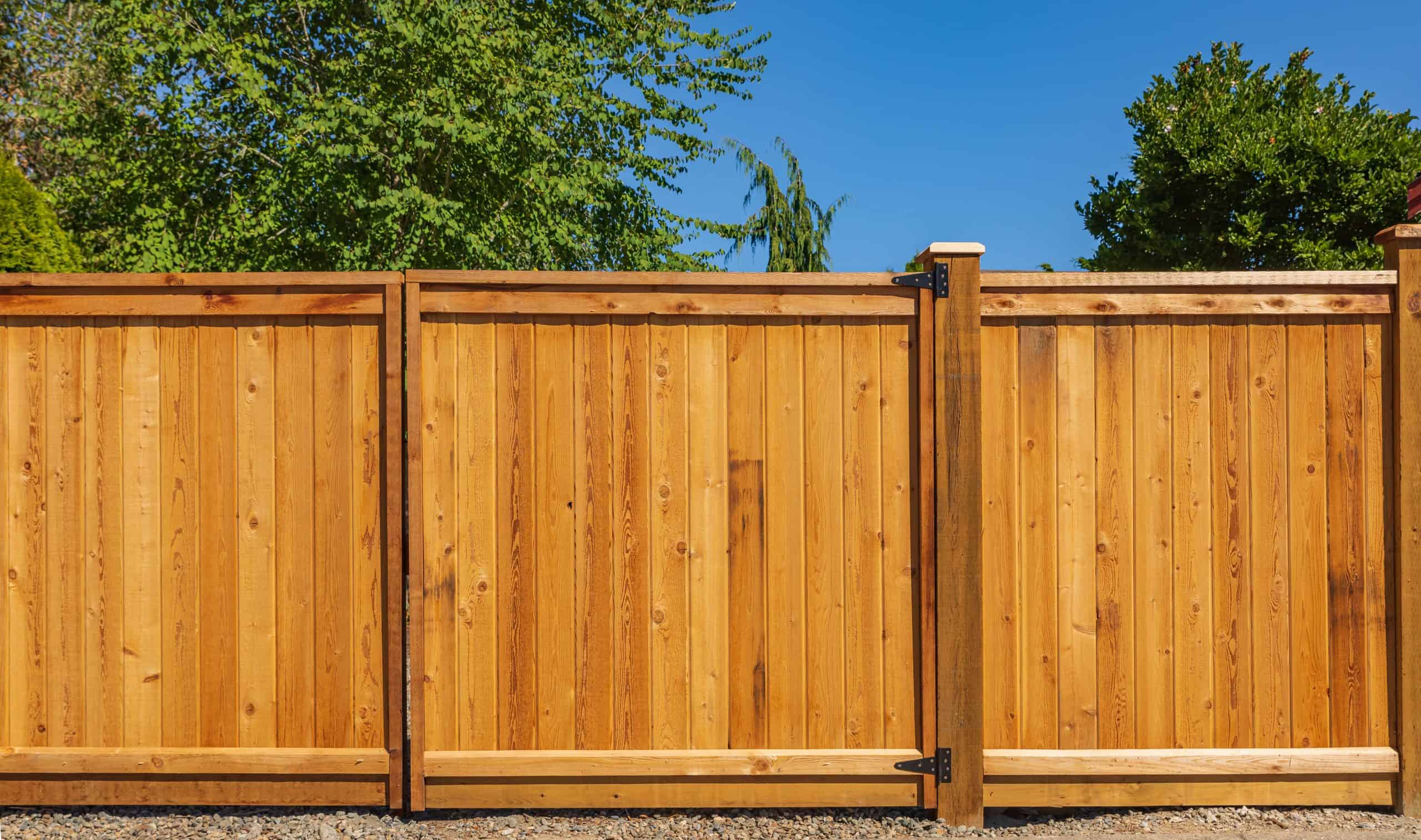
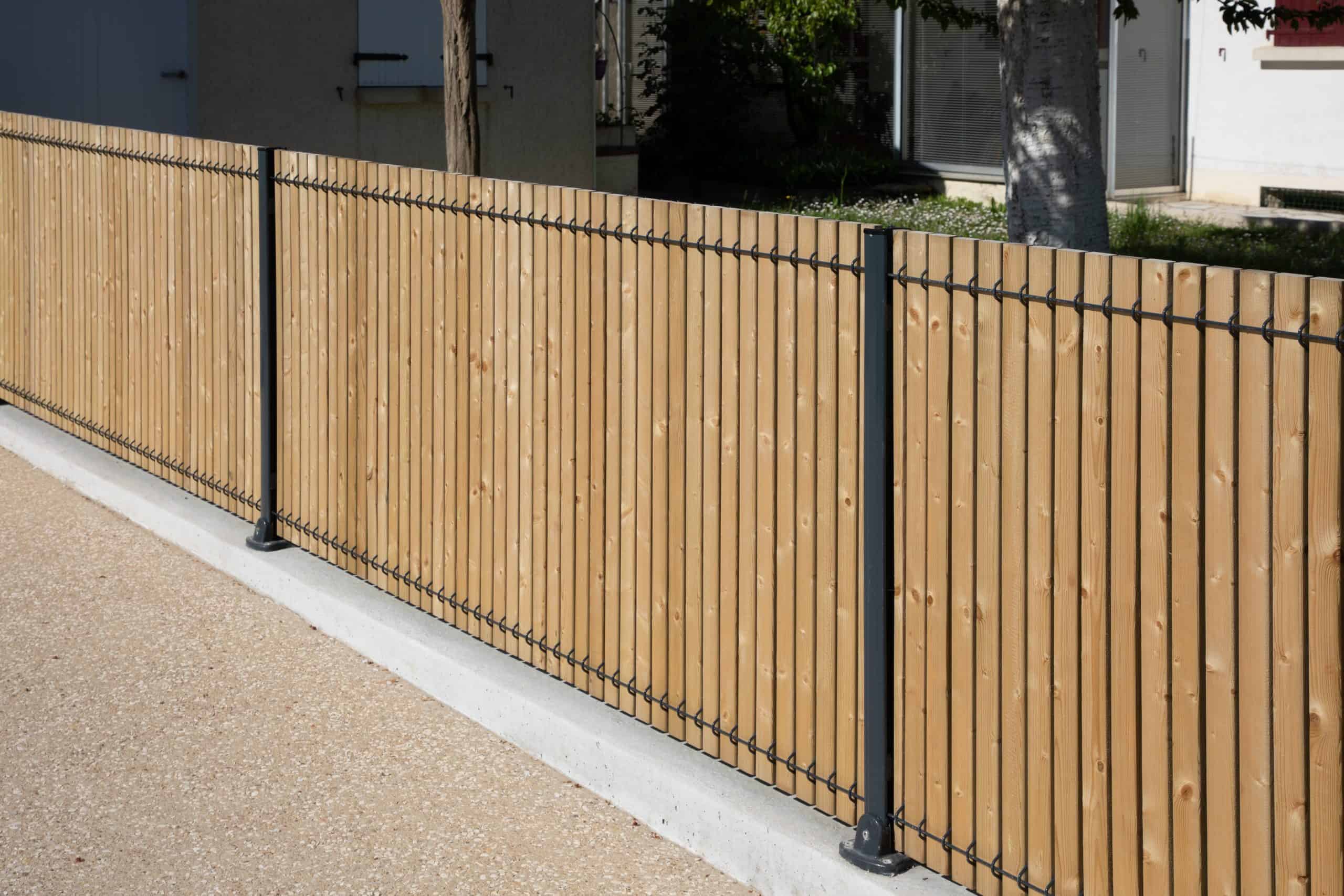
You’re not looking at fence boards. You’re looking at blocking out the neighbors, keeping the dog in, and finally using your backyard the way you want to.
A wood privacy fence in Flamingo, FL does more than mark property lines. It creates the kind of space where kids can play without you watching the street, where you can sit outside without performing for passersby, and where your property feels like yours again.
The difference is in how it’s built. Pressure treated fence materials that handle Florida’s wet season without rotting. Boards that don’t warp when the humidity spikes. Installation that accounts for sandy soil and wind load, not just what looks good on day one. You get a fence that works in year three, not just week one.
We’ve been installing fences across Central Florida since 2004, with roots going back to 1992 in Atlanta. We’re licensed, insured, and we manufacture locally using materials made in the USA.
Flamingo sits in a unique pocket of Florida where coastal conditions meet residential needs. We’ve worked in enough backyards here to know what holds up and what doesn’t. The fence you get from us isn’t the same spec we’d install two counties over—it’s built for your soil, your wind exposure, and your climate.
We don’t subcontract the work. Our installers are on our payroll, and they’ve been trained to handle Florida-specific challenges that most contractors miss until the callback.

It starts with a site visit. We measure your property, check the soil conditions, talk through what you’re trying to accomplish, and give you transparent pricing with no surprises later.
Once you approve the plan, we pull permits if needed and schedule installation around your timeline. Our crew shows up with the materials already cut and prepped. We set posts deep enough to handle wind load, use pressure treated lumber that’s rated for ground contact, and build each section to stay square and stable long-term.
After installation, we walk the fence line with you. You see how the gates latch, where the drainage flows, and what to watch for during the first few months. If something needs adjustment, we handle it then—not six months later when you’ve forgotten who installed it.
The whole process takes days, not weeks. And when we leave, your yard is cleaned up and your fence is ready to do its job.

Ready to get started?
Every wood fence we install in Flamingo, FL uses pressure treated lumber designed for Florida’s humidity and ground moisture. We’re talking about boards that resist rot, termites, and the kind of breakdown that happens when untreated wood sits in wet soil.
You choose the style—privacy fence, picket, shadowbox, or custom height. We source #1 grade cedar pickets when you want the cleanest look, or treated pine when durability and cost matter more than grain pattern. Gates get the same attention as the fence line, with heavy-duty hinges and hardware that won’t sag after a year of use.
Flamingo’s proximity to water means salt air, higher moisture levels, and faster material breakdown if the wrong wood is used. We account for that in every install. Your fence gets built with materials that match the environment, not just the budget. And because we manufacture locally, you’re not waiting on shipping delays or dealing with wood that’s been sitting in a warehouse since last season.
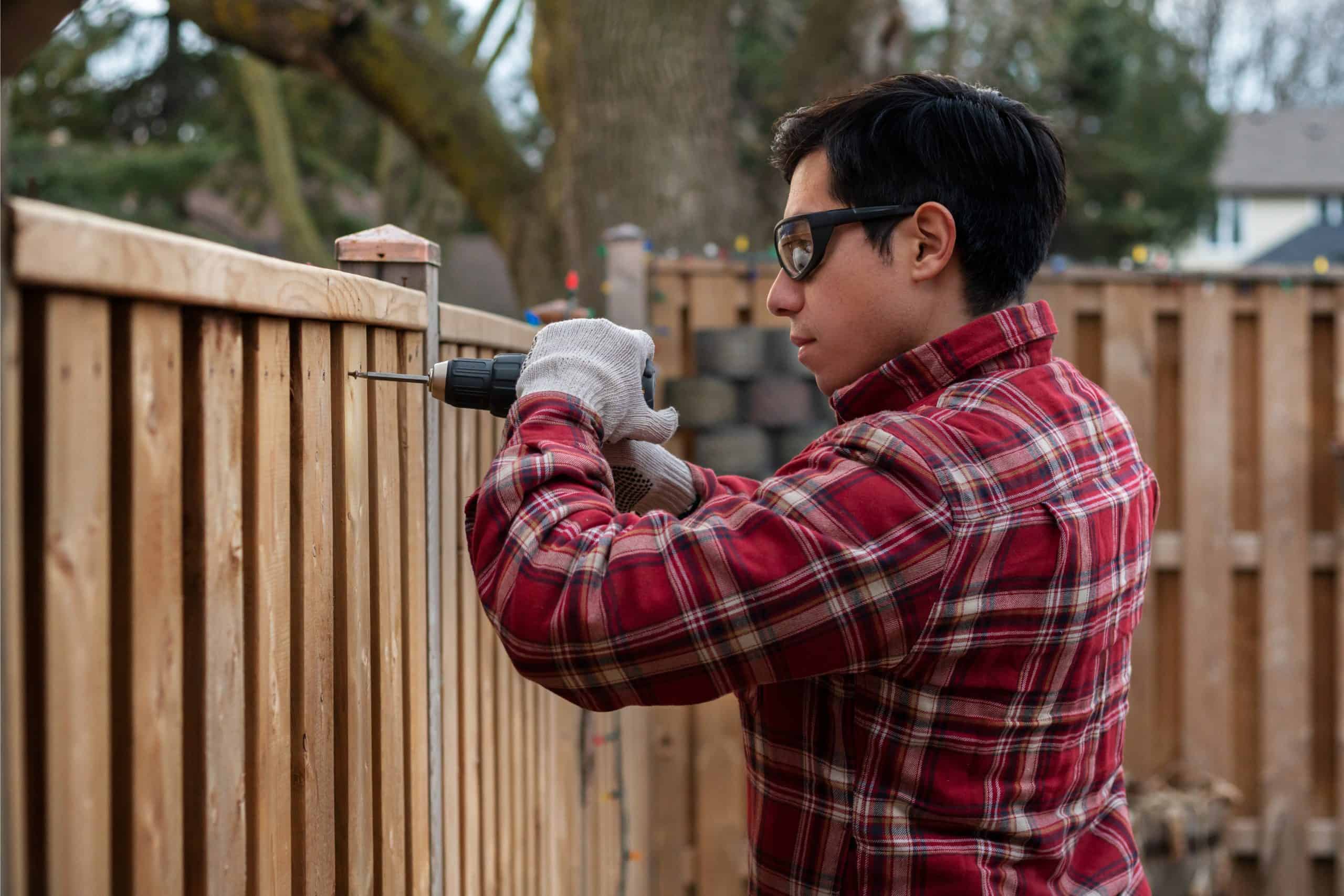
A properly installed pressure treated fence in Flamingo, FL typically lasts 15 to 20 years, sometimes longer with regular maintenance. The lifespan depends on the wood type, how it’s treated, and whether it’s maintained.
Pressure treated pine handles moisture and ground contact better than untreated wood, which is why it’s the standard for Florida installations. Cedar naturally resists rot and insects, but it still needs sealing to protect against UV damage and moisture infiltration. If you stain or seal your fence every few years and keep vegetation from trapping moisture against the boards, you’ll add years to its life.
Flamingo’s humidity and salt air accelerate wear, so untreated or poorly installed fences start breaking down within five years. That’s why the installation process matters as much as the material. Posts need to be set in concrete below the frost line, boards need proper spacing for airflow, and fasteners need to be corrosion-resistant. Skip any of that and you’re replacing boards sooner than you should.
Cedar costs more but offers natural rot and insect resistance with a cleaner appearance. Pressure treated pine costs less, lasts just as long when maintained, but has a more industrial look until it weathers.
Cedar doesn’t need chemical treatment to resist decay, which is why some homeowners prefer it. The grain is tighter, the color is richer, and it weathers to a silver-gray that many people like. But it still needs sealing to prevent moisture damage and UV breakdown, especially in Florida’s climate.
Pressure treated pine is chemically infused to resist rot, termites, and fungal growth. It’s the workhorse of Florida fencing because it handles ground contact and moisture exposure without falling apart. The trade-off is appearance—treated pine has a greenish tint when new and a rougher grain. It also requires sealing, but it’s more forgiving if you skip a maintenance cycle. For most Flamingo homeowners, treated pine offers the best balance of cost, durability, and performance in wet conditions.
Most residential wood fence installations in Flamingo, FL require a permit, especially if the fence exceeds a certain height or sits near a property line. Requirements vary by county and HOA rules, so it’s worth checking before you start.
Permits ensure your fence meets setback requirements, height restrictions, and safety codes. In some cases, you’ll need a survey to confirm property lines before installation. If you’re in an HOA community, you may also need design approval before applying for the permit.
We handle permitting as part of the installation process. That means pulling the necessary paperwork, coordinating inspections, and making sure everything is filed correctly. Skipping permits can lead to fines, forced removal, or complications when you sell the property. It’s not the exciting part of fence installation, but it’s the part that keeps you out of trouble later.
Wood fence installation in Flamingo, FL typically runs between $15 and $35 per linear foot, depending on the wood type, fence height, and site conditions. A standard privacy fence for an average backyard usually falls in the $3,000 to $7,000 range.
Pressure treated pine costs less than cedar, and a four-foot fence costs less than a six-foot privacy fence. If your property has challenging terrain, rocky soil, or requires significant prep work, that adds to the cost. Gates, custom designs, and premium materials also increase the total.
We give you transparent pricing upfront with no hidden fees. That means you know what you’re paying before we start, and the final invoice matches the estimate. Some companies lowball the quote and add costs later—we don’t. If your project requires extra work, we discuss it with you first and adjust the price before proceeding, not after the fence is already up.
Wood fences in Florida need cleaning and sealing every two to three years to prevent rot, mildew, and UV damage. Regular inspections help catch small issues before they turn into full board replacements.
Start by cleaning the fence with a mild detergent or a pressure washer on low setting to remove dirt, mold, and mildew. Let it dry completely, then apply a water-repellent sealant or stain designed for exterior wood. This protects against moisture infiltration and sun damage, which are the two biggest threats to wood fences in Flamingo’s climate.
Check for loose boards, rusted fasteners, or areas where vegetation is trapping moisture against the wood. Trim back plants, replace damaged boards as soon as you notice them, and make sure water drains away from the fence line. If you stay on top of maintenance, your fence will last significantly longer than one that’s ignored. It’s not complicated work, but it’s the difference between 10 years and 20.
A properly installed wood fence can handle most Florida storms, but hurricanes with sustained high winds can damage or destroy any fence. The key is installation quality—deep post setting, proper bracing, and wind-load considerations.
We set posts at least two feet deep in concrete, sometimes deeper depending on soil conditions and fence height. The posts are the anchor point, and if they’re not set correctly, the fence won’t survive a major storm. We also space pickets to allow some wind pass-through on privacy fences, which reduces the sail effect that turns solid fences into wind catchers.
Even with perfect installation, a Category 3 or higher hurricane can take down sections of fencing. That’s not a failure of the fence—it’s physics. What matters is how the fence is built to minimize damage and how easy it is to repair afterward. We use quality fasteners, proper bracing, and construction techniques that give your fence the best chance of surviving Florida’s storm season. And if damage does occur, we’re available to handle repairs quickly.
Other Services we provide in Flamingo