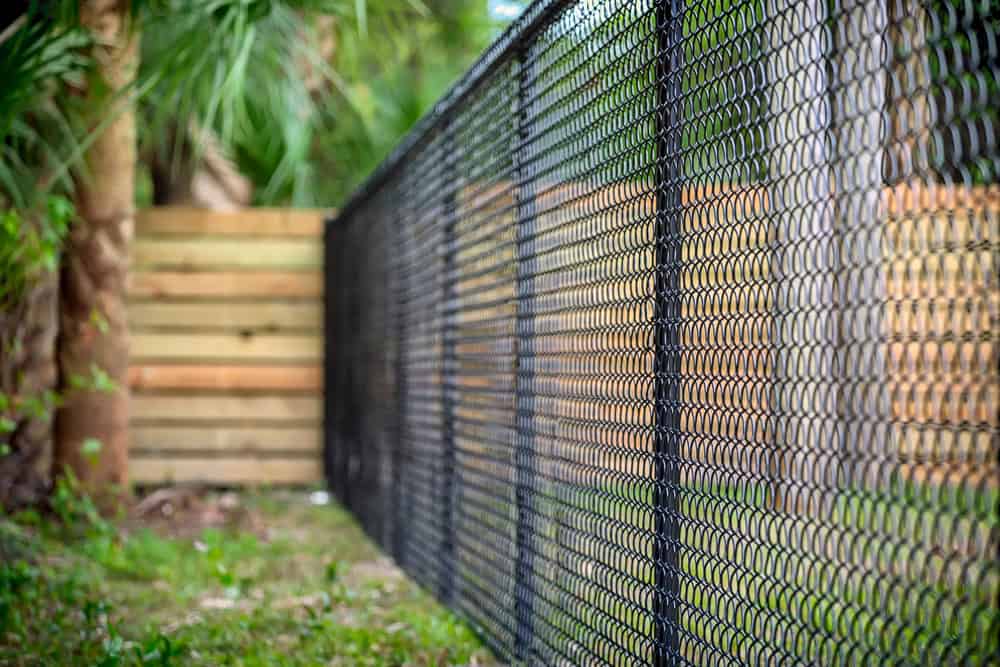
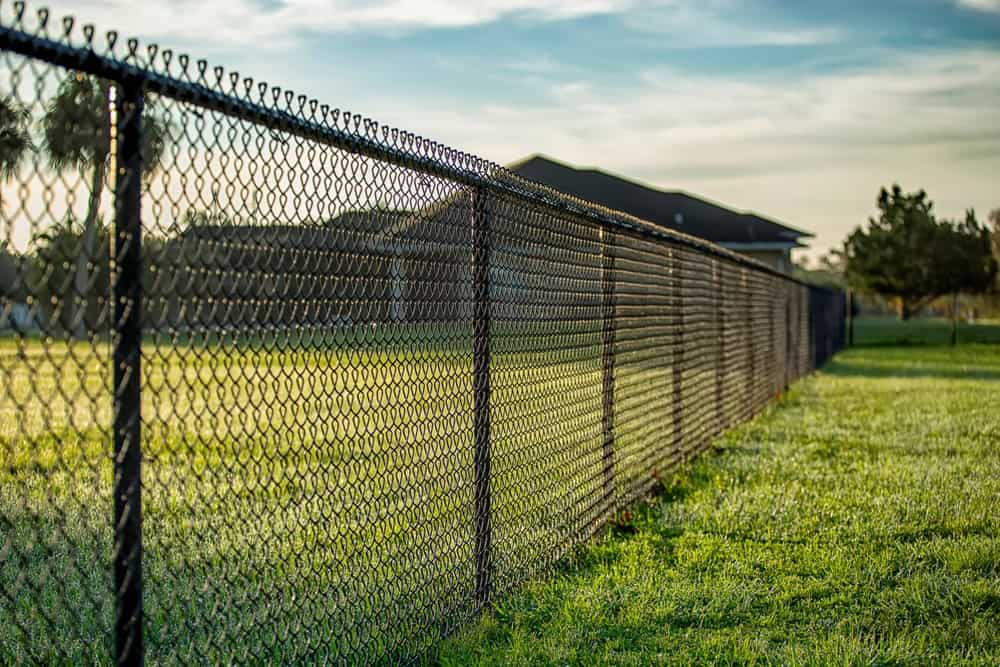
You get a fence that actually stays standing when the wind picks up. Chain link lets hurricane-force gusts pass through instead of turning your fence into a sail that rips out of the ground.
Your kids and pets stay where they’re supposed to. The property line becomes clear, so there’s no confusion with neighbors about where your yard ends and theirs begins.
You stop worrying about rust and rot. Galvanized steel or vinyl-coated chain link stands up to Florida’s humidity and salt air without the constant repainting or staining that wood demands. Most homeowners in Montclair see 20+ years from a properly installed chain link fence, and the only maintenance is occasionally hosing it down.
Security improves without blocking your view. You can see who’s approaching your property, which matters more than you’d think. Burglars prefer fences they can’t see through because it gives them cover once they’re inside your yard.
We work throughout Lake County, including right here in Montclair. We’re not a national franchise sending different crews every time. You get the same team that knows how Florida soil behaves, what the wind does during storm season, and how to set posts so they don’t shift.
We’ve been installing residential and commercial fencing across Central Florida long enough to know what works and what doesn’t. Most of our business comes from referrals, which tells you something about how the finished job looks and how long it lasts.
You’ll talk to someone local when you call. We’ll come out, walk your property, and give you a straight answer about what you need—not what makes us the most money.
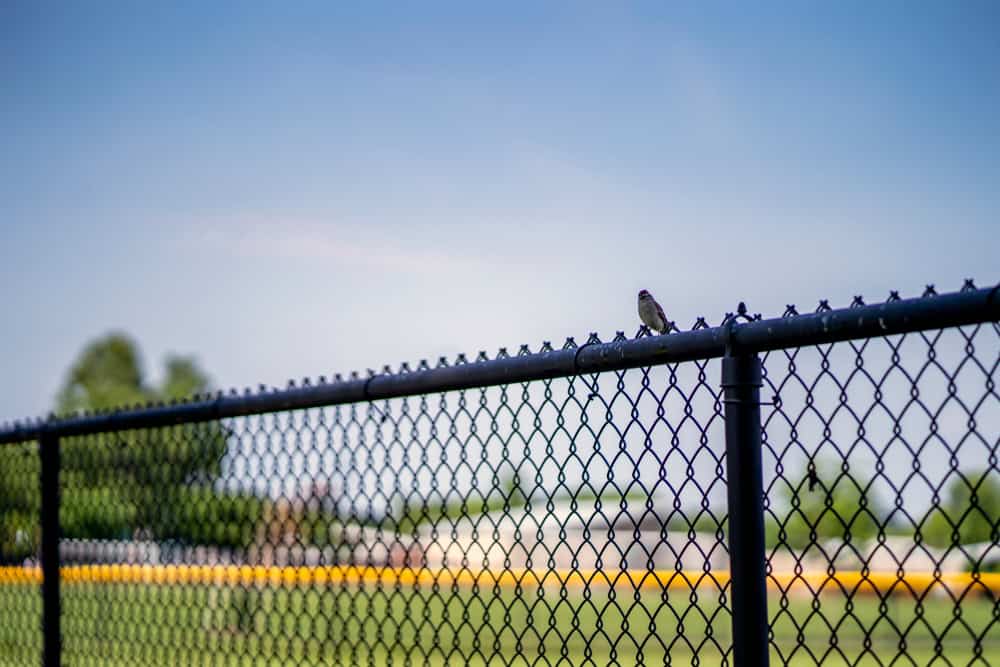
First, we come to your property for a free consultation. We measure, check the terrain, talk about what you’re trying to accomplish, and answer your questions. You’ll know the cost before we do anything.
Once you’re ready to move forward, we schedule the installation. Most residential chain link fences in Montclair go up in one to three days, depending on size and whether you’re adding gates or privacy slats.
We set the terminal and line posts first, making sure they’re plumb and anchored deep enough to handle Florida weather. Then we stretch the chain link fabric tight and secure it properly so it doesn’t sag over time. If you’re adding gates, we install those last and make sure they swing smoothly and latch securely.
After everything’s up, we walk the property with you. You’ll see how the gates operate, where the fence sits on your property line, and what to expect as far as maintenance. If something doesn’t look right, we fix it before we leave.
Ready to get started?
You’re getting galvanized steel chain link that resists rust, or vinyl-coated options if you want color or extra corrosion protection. Both handle Montclair’s climate without falling apart.
We install posts that go deep enough to stay put. Florida’s sandy soil and seasonal storms mean shortcuts don’t work here. Our posts are set in concrete and positioned so the fence stays tight and level.
Gates come standard with proper hardware—hinges that don’t bind up and latches that actually work. If you need a double gate for vehicle access or a walk-through gate for foot traffic, we’ll install whichever configuration makes sense for your property.
Privacy slats are available if you want to block sightlines without switching to a solid fence. They slide into the chain link and give you more seclusion while still allowing airflow, which matters during hurricane season.
You’re also getting a fence that meets local codes. Lake County has requirements for setbacks and height limits, and we make sure your fence complies so you don’t get stuck dealing with the county after the fact.
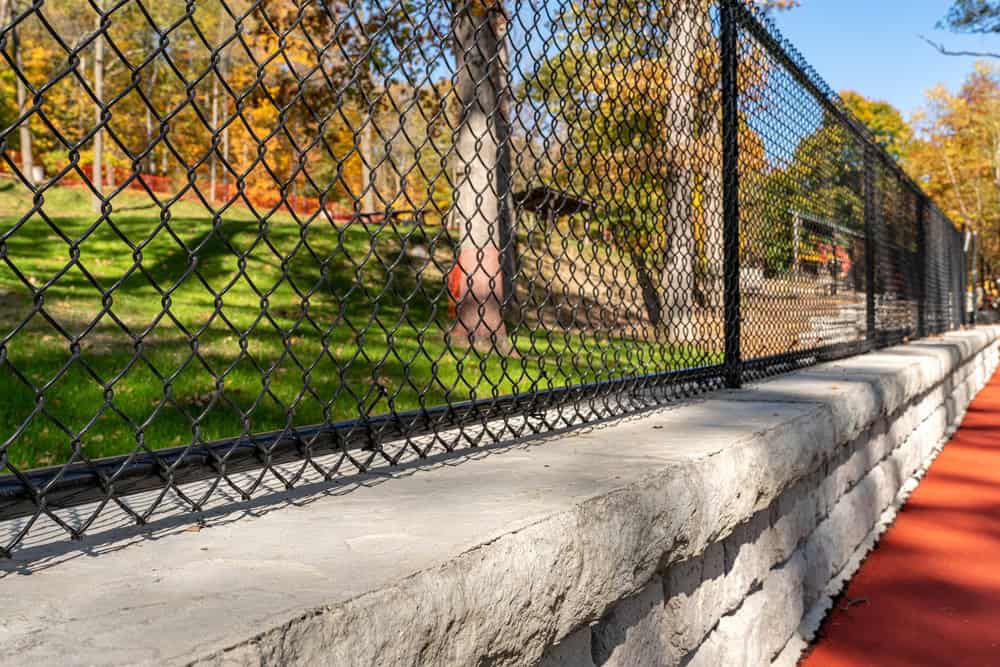
Most residential chain link projects in Montclair run between $1,500 and $4,000, depending on how much fence you need and what features you add. A basic four-foot galvanized fence for a typical backyard usually falls in the lower half of that range. If you’re fencing a larger property, adding privacy slats, or going with vinyl-coated chain link, the price goes up.
Height affects cost. A six-foot fence uses more material and requires taller posts than a four-foot fence. Gates add to the total as well—a single walk-through gate costs less than a double gate wide enough for vehicles.
The condition of your property matters too. If we’re working around trees, slopes, or underground utilities, installation takes longer. We’ll give you an exact price after we see your property, and that number won’t change unless you decide to add something.
A properly installed chain link fence in Montclair typically lasts 20 years or more. Galvanized steel resists rust even in Florida’s humidity, and vinyl-coated chain link adds another layer of protection if you’re near the coast or in an area with heavy salt air.
The posts matter more than most people realize. If they’re not set deep enough or the concrete isn’t mixed right, the fence will lean or sag within a few years. We set posts below the frost line and use proper concrete so they stay put through storms and ground shifts.
Chain link doesn’t rot like wood or crack like vinyl panels. It flexes in the wind instead of breaking, which is why it holds up so well during hurricane season. The biggest threat is rust at the base of the posts if water pools there, but proper installation and drainage prevent that.
You won’t need to repaint or restain chain link. An occasional rinse with a hose is usually enough to keep it looking decent.
Yes, privacy slats slide right into the chain link and block most of the view through the fence. They come in different colors and materials, so you can match your house or just go with something neutral.
Slats don’t require any special installation—they weave through the existing chain link. You can add them during the initial install or years later if you decide you want more privacy. They also cut down on wind slightly and give the fence a more finished look.
Another option is planting shrubs or vines along the fence line. Chain link makes a good support for climbing plants, and over time they’ll fill in and create a green barrier. That takes longer than slats, but some homeowners in Montclair prefer the look.
If privacy is your main goal and airflow isn’t a concern, a solid vinyl or wood fence might make more sense. But if you want the durability and cost savings of chain link with some added seclusion, slats work well.
Chain link works well for most dogs, but the height and installation quality matter. A four-foot fence stops most medium and large dogs that aren’t determined jumpers. If you have a dog that climbs or jumps, a six-foot fence is a better choice.
Small dogs sometimes squeeze through gaps at the bottom if the fence isn’t tight to the ground. We install the chain link close to the soil line and make sure there aren’t gaps where a determined dog could push through. If you have a digger, we can add a dig guard—basically an extra section of fencing that extends below ground or lies flat along the base.
The gates need to latch securely. A dog that figures out how to nose a gate open will be gone the first time you’re not watching. We install latches that actually hold, and we can add spring closers so the gate swings shut automatically.
Chain link also lets you see your dog from inside the house, which helps if you’re keeping an eye on them while they’re outside.
Most residential chain link fence installations in Montclair take one to three days. A straightforward backyard fence with a single gate usually goes up in a day or two. Larger properties or fences with multiple gates and corners take closer to three days.
Weather can delay things. If the ground is soaked from heavy rain, we’ll wait until it dries out enough to set posts properly. Trying to pour concrete in muddy conditions leads to posts that shift later.
We’ll give you a timeline before we start, and we stick to it unless something unexpected comes up—like hitting a buried utility line or finding that the property line isn’t where you thought it was. Those situations are rare, but when they happen, we’ll talk through the options before moving forward.
Once the fence is up, the concrete needs about 24 hours to cure before the fence is fully secure. You can use the gates right away, but avoid putting heavy pressure on the posts until the concrete sets completely.
Most residential fences in Lake County require a permit, especially if they’re over a certain height or close to the property line. The county wants to make sure fences meet setback requirements and don’t block sightlines at intersections or driveways.
We handle permit applications as part of the installation process. You’ll need a property survey or plot plan showing where the fence will go, and the county will review it to make sure it complies with local codes. The permit process usually takes a week or two, depending on how backed up the county office is.
Skipping the permit might seem easier, but it causes problems if you ever sell your property. The county can make you remove an unpermitted fence, and some buyers will walk away from a sale if there are code violations.
HOA rules add another layer if you live in a neighborhood with one. Some HOAs restrict fence height, color, or style. We’ll ask about HOA requirements during the consultation so there aren’t surprises later.