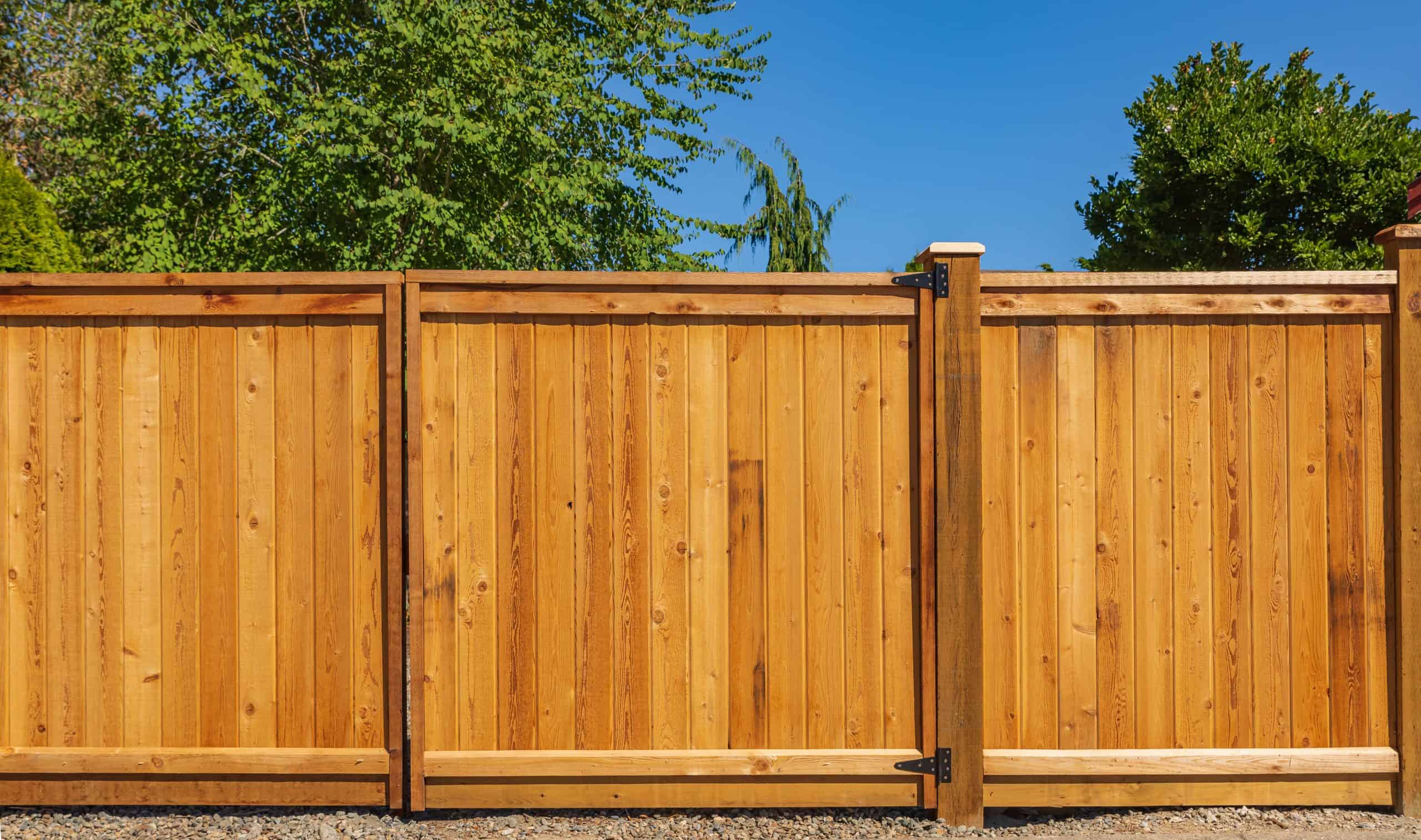
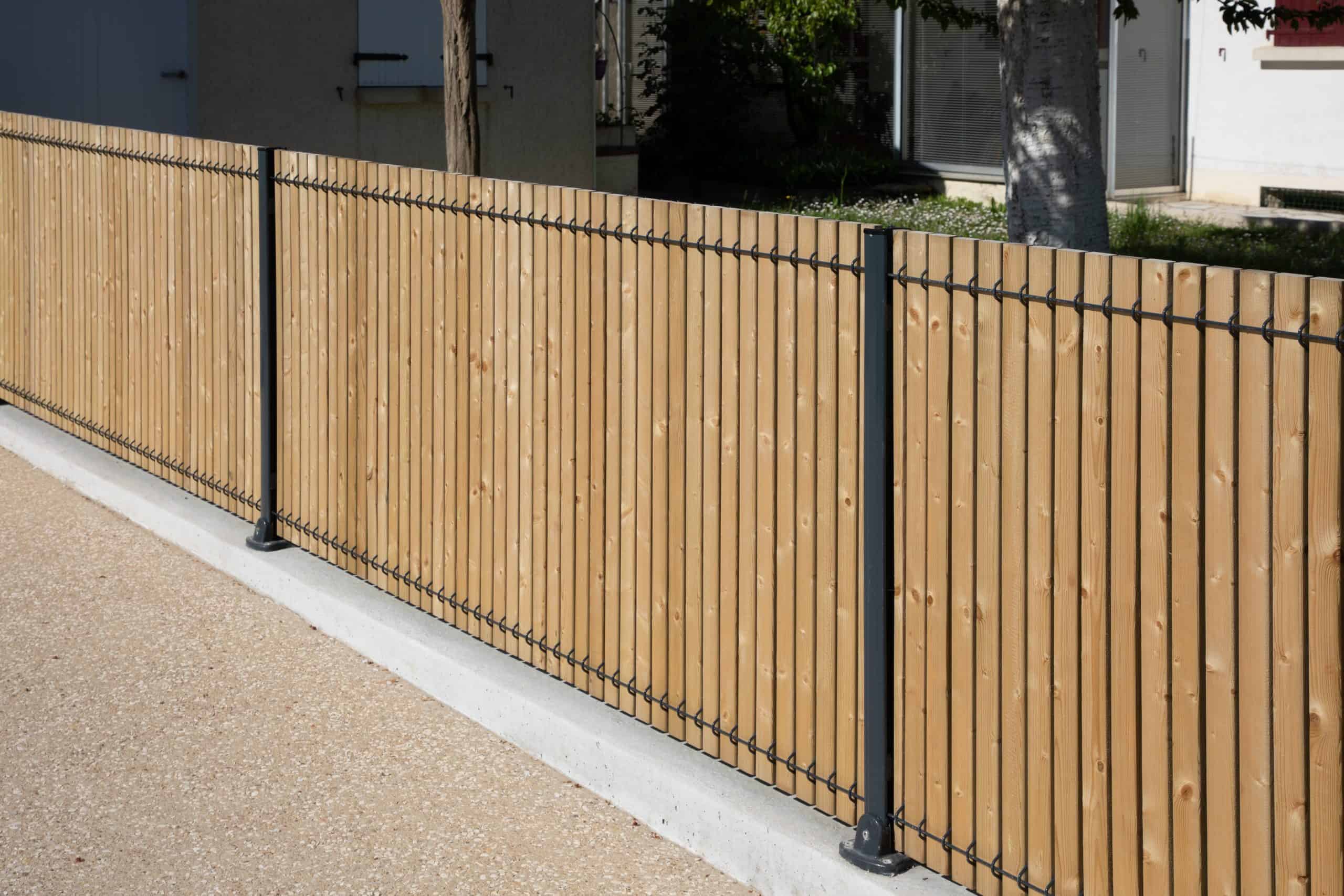
Your kids and pets stay safely in the yard. No gaps, no weak spots, no wondering if someone can see through.
You get real privacy from a fence built to handle Central Florida humidity without falling apart. That means pressure treated wood that’s designed for this climate, not just whatever’s cheapest at the lumber yard.
The fence goes up right the first time. Posts set in concrete, even in sandy soil, because you shouldn’t have to worry about panels leaning after the first storm. Proper installation means the gate actually swings smoothly two years from now, not just on day one.
Your property line is clearly defined. Neighbors know where your space ends and theirs begins. That clarity matters when you’re investing this much in your home.
You won’t be repainting or restaining every year just to keep it from looking like a disaster. Quality materials and proper treatment mean you’re looking at every 2-3 years for maintenance, not every season.
We started in Atlanta in 1992 and brought that same approach to Central Florida in 2004. That’s over two decades of understanding what works in this climate and what doesn’t.
We serve Lake, Orange, Seminole, Brevard, Volusia, Osceola, Polk, Sumter, and Marion counties. Montclair homeowners deal with the same challenges as the rest of Central Florida: heat, humidity, storms, and sandy soil that makes proper installation critical.
Orlando Magazine recognized us in their 2025 Home Design Awards. That recognition came from doing the work right, using quality materials, and making sure customers actually get what they pay for. No hidden costs, no surprises when the bill comes, no crews that disappear halfway through the job.

You reach out and we schedule a time to look at your property. We measure the space, discuss what you need the fence to do, and talk through any HOA requirements or permit issues specific to Montclair.
You get transparent pricing based on the actual scope of work. No vague estimates that balloon later. You’ll know what the fence costs, what materials we’re using, and how long installation will take.
Our crew shows up when we say they will. Posts go in with concrete, even though some installers skip that step in Florida’s sandy soil. We don’t skip it because you need that fence to stay put through storms and ground shifts.
Panels go up with attention to alignment and spacing. Gates get hung so they actually function long-term, not just pass a quick inspection. The job site gets cleaned up when we’re done.
You get a one-year labor warranty backing the installation. If something’s not right, we handle it. The fence should work the way you need it to work, and we make sure it does.

Ready to get started?
You’re getting pressure treated lumber designed for Florida’s climate. That treatment protects against rot and decay from humidity and rain. It’s not decorative, it’s functional protection that extends the life of your fence.
Privacy fence heights typically run 6 to 8 feet in Montclair. That’s tall enough to keep kids and pets safely contained and give you actual privacy in your backyard. No gaps between pickets means nothing gets in or out until you open the gate.
Board-on-board style is popular here because it provides complete visual blocking while allowing some airflow. That matters during storms when solid walls can catch wind like a sail. You get privacy without creating a wind hazard.
Post installation includes concrete setting. Sandy Central Florida soil shifts, and posts set without concrete will lean. We use concrete because your fence needs to stay vertical through weather and time.
Gate hardware is commercial-grade. Hinges and latches take constant use from kids, pets, and daily access. Cheap hardware fails within months. Quality hardware keeps working.
Montclair homeowners often deal with HOA requirements around fence style, height, and placement. We handle permit paperwork and make sure your fence meets local codes and association rules. You shouldn’t have to go back and forth with the HOA because something wasn’t done to spec.
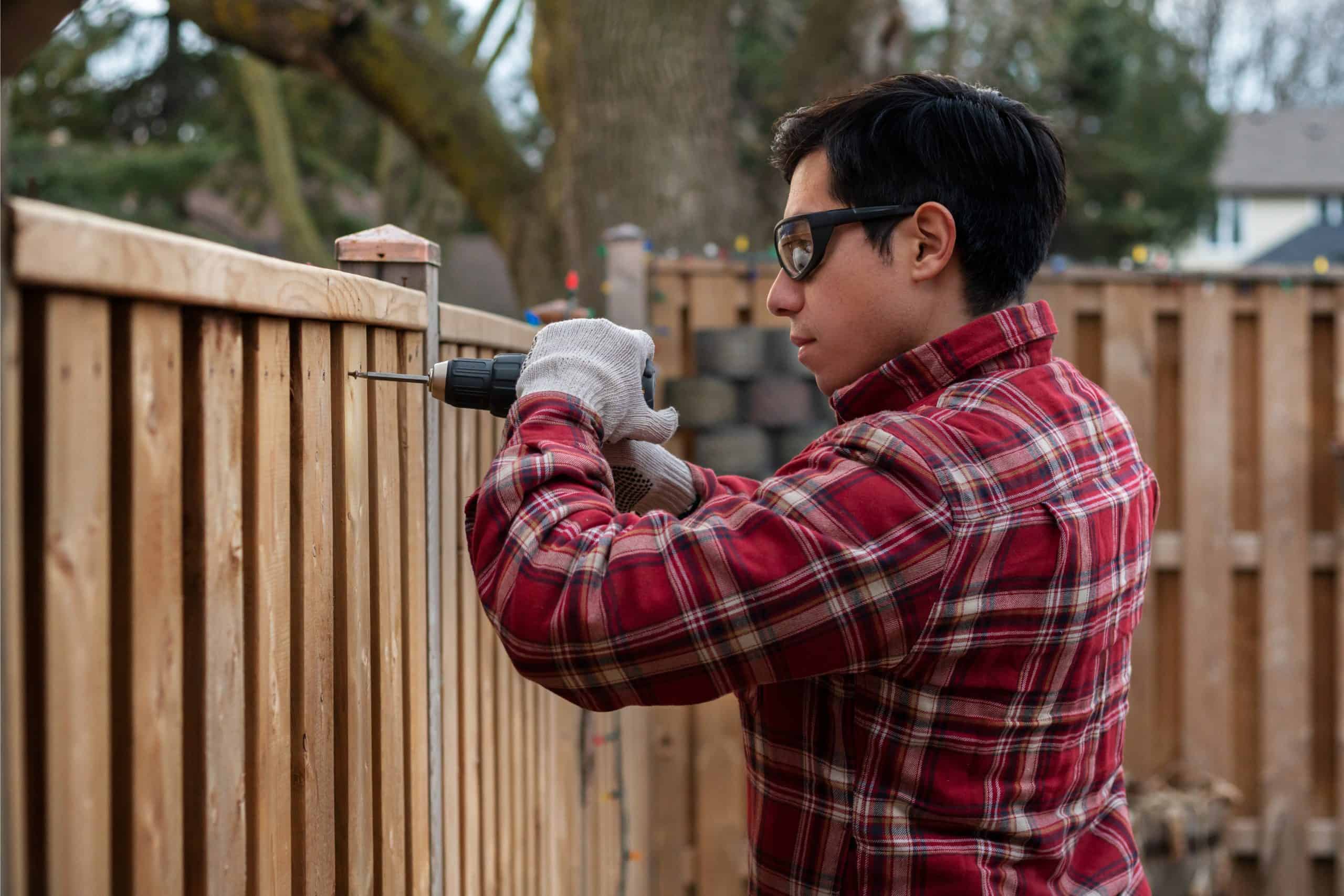
A properly installed pressure treated wood fence in Montclair typically lasts 15 to 20 years with regular maintenance. That maintenance means staining or sealing every 2-3 years to protect against Florida’s humidity and UV exposure.
The key word is “properly installed.” Fences that go up without concrete post setting or use untreated lumber can start showing problems in under a year. Warping, cracking, and rot happen fast when the installation cuts corners or uses materials not rated for this climate.
Central Florida’s combination of heat, humidity, and seasonal storms is tough on wood. Pressure treatment helps the wood resist moisture damage and insect activity. Regular maintenance keeps that protection working. Skip the maintenance and you’re looking at replacement much sooner than 15 years.
Standard board-on-board wood fence installation in Montclair runs between $30 and $40 per linear foot. That price includes materials, labor, concrete post setting, and gate installation.
The range depends on fence height, wood quality, property terrain, and design complexity. A basic 6-foot privacy fence costs less per foot than an 8-foot fence with custom gates and decorative caps. Sloped yards require more labor and materials than flat lots.
Some companies quote lower to win the job, then add costs for “unexpected” work or use cheaper materials than discussed. Transparent pricing means you know upfront what you’re paying and what you’re getting. No surprise charges when the work is done.
If a quote seems unusually low, ask what’s different. Are they skipping concrete for posts? Using lower-grade lumber? Cutting somewhere that will cost you later in repairs or early replacement? The cheapest bid often isn’t the best value.
Yes. Sandy soil shifts and settles, especially during heavy rain and storms. Posts set without concrete will lean over time, pulling your fence out of alignment.
Some installers claim Florida’s soil doesn’t need concrete because it’s easier to dig. That’s true, it is easier to dig. It’s also easier for posts to move after installation. Concrete anchors the post so it stays vertical through ground movement, wind load, and weather changes.
A leaning fence isn’t just ugly, it’s structurally compromised. Gates won’t close properly. Panels can separate. What started as a minor lean becomes a major repair within a couple years.
Concrete adds cost to the installation, but it’s cost you pay once instead of paying repeatedly to fix a fence that won’t stay straight. You’re investing in a fence that should last 15-20 years. Skipping concrete to save a few hundred dollars now means you’ll likely spend more fixing problems later.
Start by getting your HOA’s fence guidelines in writing. Most Montclair associations have specific requirements about fence height, style, color, and placement. Knowing those rules before you plan anything saves time and frustration.
Submit detailed plans showing fence location, height, materials, and style. Include property surveys if the HOA requires them. The more complete your initial submission, the fewer back-and-forth revisions you’ll deal with.
Many HOA boards meet monthly, so approval can take 4-6 weeks. Factor that timeline into your project schedule. Rushing the process or starting work before approval can result in fines or requirements to remove non-compliant fencing.
Working with a fence company experienced in Montclair helps because we know what local HOAs typically require. We’ve handled the paperwork for numerous properties in the area and can help make sure your submission includes everything needed for approval.
Plan to clean and reseal or restain your wood fence every 2-3 years. Florida’s sun, humidity, and rain break down protective finishes faster than in drier climates. Once that protection wears off, the wood is exposed to moisture damage and UV degradation.
Cleaning means removing mildew, dirt, and organic buildup with a fence cleaner or mild pressure washing. Let the wood dry completely before applying new stain or sealant. Sealing wet wood traps moisture and causes more problems than it prevents.
Check for loose boards, protruding nails, and gate hardware issues annually. Catching small problems early prevents them from becoming expensive repairs. A loose hinge is a quick fix. A sagging gate that’s been loose for two years might need the entire gate replaced.
Trim vegetation away from the fence. Plants growing against the wood hold moisture and accelerate rot. Keep sprinklers from hitting the fence directly. Constant water exposure, even from irrigation, shortens wood life significantly.
A well-maintained wood fence can return about 50% of installation costs when you sell. That’s not a guaranteed number, but it’s the general range for quality fencing in residential markets.
The value comes from privacy, security, and defined property boundaries. Families with kids and pets see fenced yards as essential, not optional. That demand drives value, especially in neighborhoods where fenced yards aren’t standard.
A fence in poor condition hurts value instead of helping it. Buyers see a deteriorating fence as immediate work they’ll need to handle. If your fence is warped, leaning, or obviously neglected, expect it to be a negotiating point that works against you.
The return depends on your fence matching neighborhood standards. An 8-foot privacy fence might be perfect for your needs but could be seen as excessive in an area where 6-foot fences are typical. Understanding what’s normal for Montclair helps ensure your fence appeals to future buyers, not just your current needs.