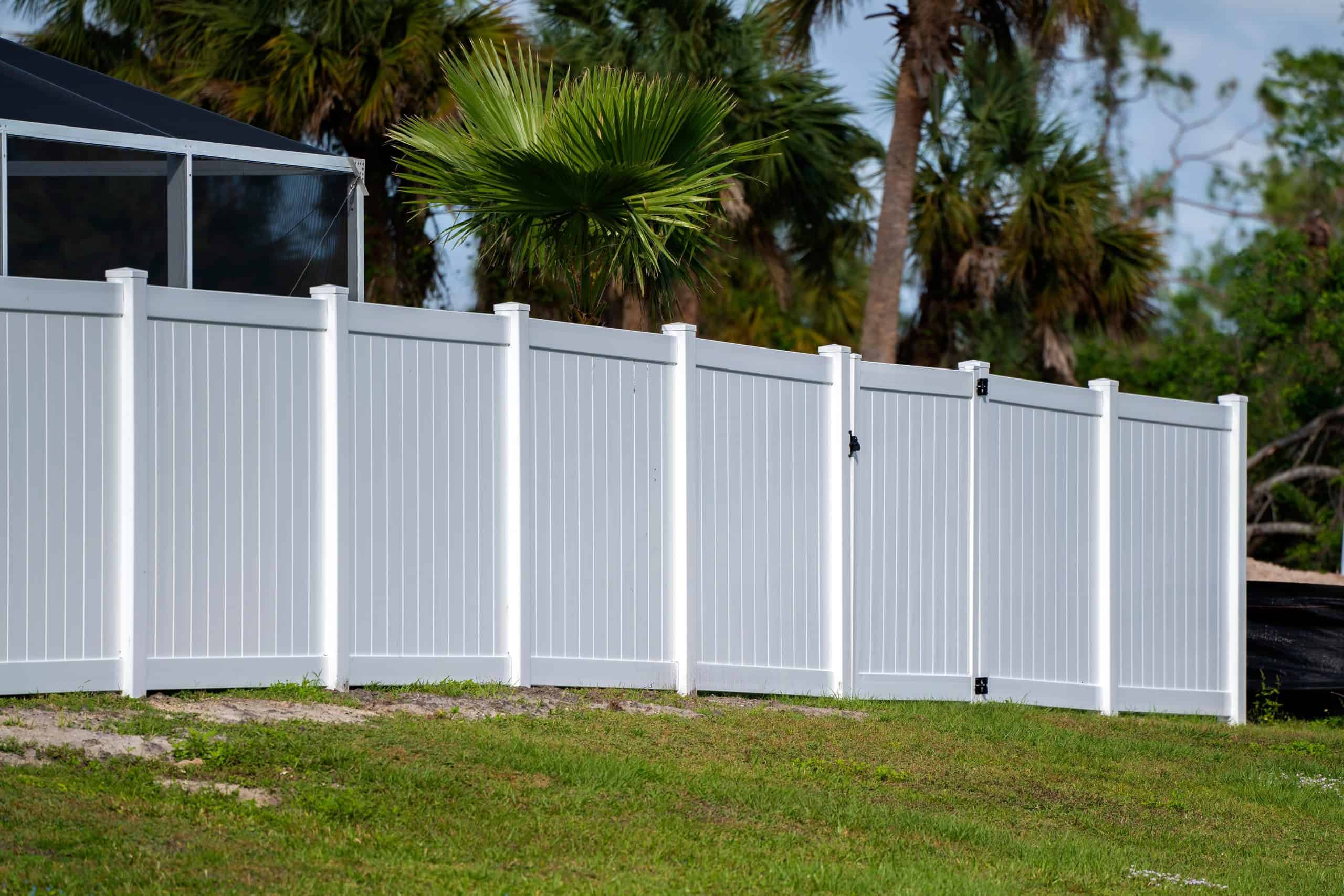
Your fence should work harder than you do. That’s the reality with vinyl fence installation in Montclair, FL—it stands up to the sun, humidity, and storms without asking for anything in return.
You’re not repainting every few years. You’re not replacing rotted boards. You’re hosing it down a couple times a year and moving on with your life.
The upfront cost is higher than wood, sure. But when you factor in zero staining, zero termite damage, and a 20-30 year lifespan, the math works in your favor. You’re looking at a fence that pays you back in time and money, year after year.
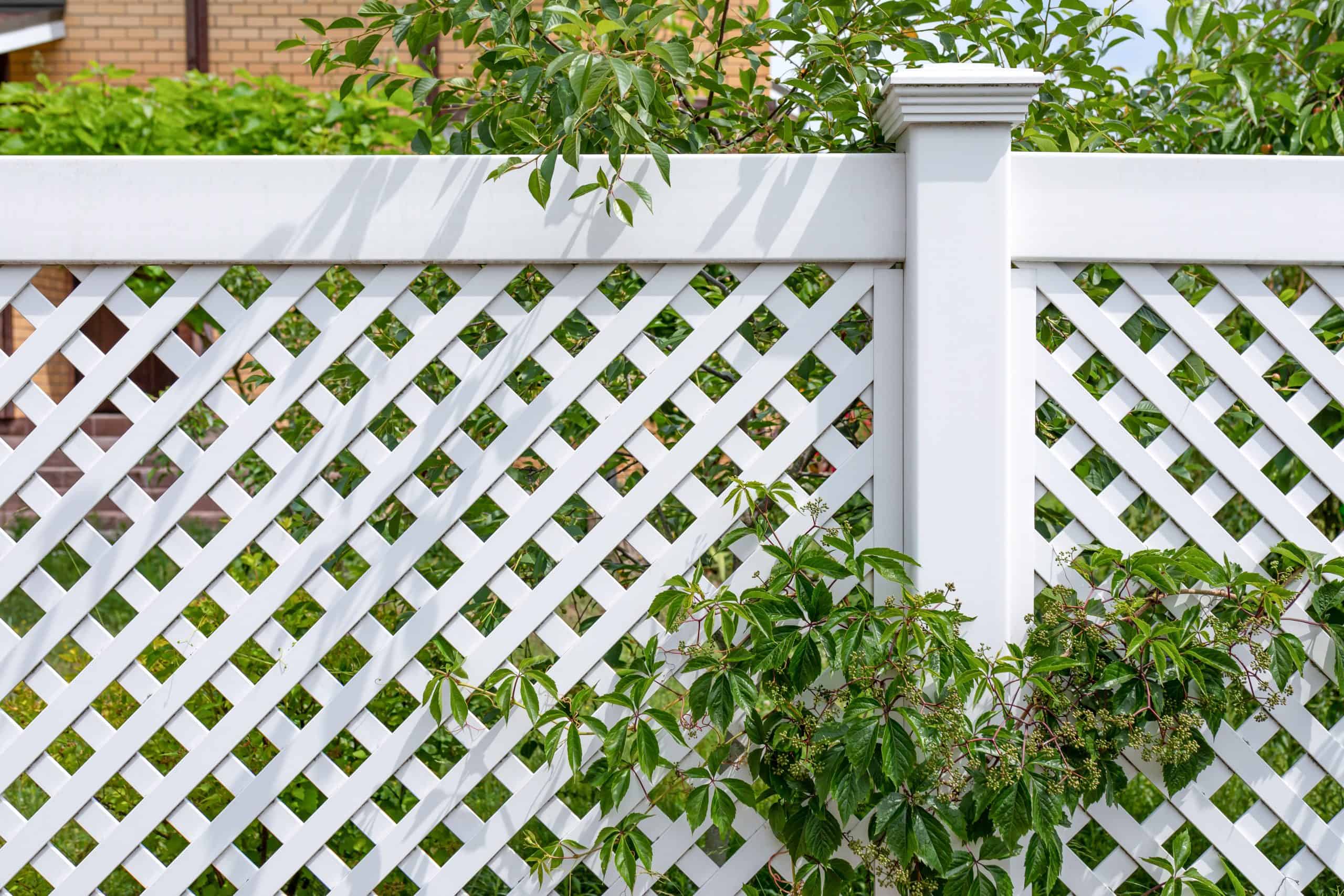
And if you’ve got kids, pets, or just want your backyard to feel like yours again, vinyl privacy fencing creates that space. It’s tall enough to keep eyes out and strong enough to handle whatever Florida throws at it.
We’ve spent more than two decades installing residential vinyl fences across Central Florida. We’re not new to Montclair, and we’re not learning on your property.
We know what Florida weather does to fencing. We know the building codes in Lake, Orange, and Seminole counties. And we know what homeowners in Montclair actually need—not what sounds good in a brochure.
Our installations use American-made vinyl fence panels engineered to meet Florida’s wind load requirements. We handle the permits, the inspections, and the details that separate a fence that lasts from one that doesn’t. You get transparent pricing, no surprises, and a team that shows up when we say we will.

First, we come out to your property in Montclair and walk the fence line with you. We measure, check for utilities, and talk through your options—height, style, gates, all of it. This is where you tell us what you need, and we make sure it’s going to work with your property and any HOA rules.
Next, we pull the permits. In Central Florida, that means meeting local building codes and wind load requirements. We handle that paperwork so you don’t have to chase down approvals or worry about inspections later.
Then we install. Posts go in first, set in concrete and aligned properly. Panels come next, fitted and secured to handle years of use. Gates get hung level and tested. We clean up the site when we’re done, and you’re left with a finished fence that’s ready to go.
The whole process typically takes a few days, depending on the size of your yard. We keep you updated at every step, and if something changes, you’ll know before we move forward.

Ready to get started?
You’re getting more than just vinyl fence panels in the ground. Every installation includes a site assessment, permit handling, and professional-grade materials that meet Florida’s updated building codes for wind resistance and durability.
In Montclair and throughout Central Florida, HOA regulations can dictate fence height, color, and style. We check those requirements upfront so your fence gets approved the first time. No backtracking, no surprises after the fact.
Our vinyl fencing resists UV damage, which matters when you’re dealing with Florida sun 300+ days a year. The color won’t fade. The material won’t crack or splinter. And because vinyl doesn’t absorb moisture, you won’t see warping or mold growth like you would with wood.
We also install gates—single or double, with hardware that’s built to last. If you need a taller privacy fence or a decorative style that adds curb appeal, we’ll walk you through what works for your property and your budget. Everything gets backed by industry-leading warranties, so if something goes wrong, you’re covered.

Vinyl fence installation in Montclair typically runs between $23 and $40 per linear foot for a standard 4- to 6-foot fence. That includes materials and labor. Your actual cost depends on fence height, style, and any gates or custom features you add.
Materials alone usually cost $10 to $30 per linear foot. Labor adds another $5 to $10 per foot. If you’re fencing a standard backyard—say, 150 linear feet—you’re looking at somewhere between $3,450 and $6,000 installed.
That’s higher than wood upfront, but vinyl lasts 20-30 years with almost no maintenance. No repainting. No replacing rotted boards. When you spread that cost over decades, vinyl ends up being the more affordable option. We give you transparent pricing before any work starts, so you know exactly what you’re paying for.
Yes, if it’s installed correctly and meets Florida’s building codes. Vinyl fences are engineered to handle high winds, intense UV exposure, and the humidity that comes with living in Central Florida. The key is proper installation and using materials that meet local wind load requirements.
In areas like Miami-Dade, fences need to withstand winds of 115 mph or higher. While Montclair’s requirements aren’t quite that extreme, we still install every fence to meet or exceed the wind resistance standards for Lake and Orange counties. That means posts set deep in concrete, panels secured properly, and materials rated for Florida’s climate.
Vinyl won’t rot, rust, or corrode. It won’t absorb water, so you don’t get swelling or warping after heavy rain. And because it’s UV-resistant, the color stays consistent even after years of sun exposure. If a storm does damage your fence, repairs are straightforward—panels can be replaced individually without tearing down the whole thing.
A properly installed vinyl fence in Florida lasts 20 to 30 years, sometimes longer. That lifespan assumes you’re using quality materials and the fence is installed to meet local building codes. It’s one of the longest-lasting fencing options available for residential properties.
Wood fences, by comparison, usually need replacing every 10-15 years in Florida’s climate. The humidity, termites, and constant sun exposure take a toll. Vinyl doesn’t have those vulnerabilities. It won’t rot, it won’t attract pests, and it won’t break down from moisture.
The only maintenance you’re doing is rinsing it with a hose a few times a year to keep it looking clean. No staining. No sealing. No sanding down rough spots. That low-maintenance design is part of why vinyl holds up so well over time—it’s built to be left alone. When you’re comparing fencing options, factor in how long each material actually lasts in Florida. Vinyl’s longevity makes the higher upfront cost easier to justify.
Yes, most vinyl fence installations in Montclair require a permit. The exact requirements depend on your property location, fence height, and whether you’re in an HOA-regulated neighborhood. We handle the permit process as part of our installation service, so you don’t have to navigate that paperwork yourself.
Lake County and Orange County both have building codes that apply to fence installations. Those codes cover things like setback distances from property lines, maximum fence height, and wind load requirements. If your fence doesn’t meet those standards, you could run into issues during inspections or when you sell your home.
HOAs add another layer. Many neighborhoods in Montclair have rules about fence style, color, and placement. We check those regulations before we start, so your fence gets approved without delays. Skipping the permit process might seem like a shortcut, but it can cost you more in the long run if you have to tear down and reinstall a non-compliant fence. We make sure it’s done right the first time.
There isn’t one—vinyl and PVC are the same material. PVC stands for polyvinyl chloride, which is the technical name for what most people call vinyl fencing. The terms get used interchangeably, but they’re referring to the same product.
Some manufacturers might market their fencing as “PVC” to emphasize the material’s durability or engineering, but you’re still getting vinyl. What matters more than the name is the quality of the material and how it’s manufactured. Higher-grade vinyl uses virgin PVC, which is stronger and more UV-resistant than recycled blends.
When you’re comparing vinyl fence options, ask about the material grade, the warranty, and whether the product meets Florida’s building codes. Those factors determine how well your fence holds up over time. The name—vinyl or PVC—doesn’t change what you’re getting. It’s the same low-maintenance, weather-resistant fencing either way.
You can install a vinyl fence yourself if you’ve got the tools, the time, and some experience with construction projects. But most homeowners in Montclair hire a vinyl fence contractor because the installation needs to meet local building codes, handle Florida’s soil conditions, and get done right the first time.
DIY installations run into problems with post alignment, gate installation, and permit requirements. If your posts aren’t set deep enough or aren’t plumb, the fence won’t hold up in high winds. If you don’t pull the right permits, you could face fines or have to remove the fence entirely.
Professional installation also comes with warranties. If something goes wrong with a DIY fence, you’re fixing it yourself. If something goes wrong with a professionally installed fence, we handle it. That peace of mind is worth the labor cost for most people, especially when you’re investing thousands of dollars in a fence that’s supposed to last 20-30 years. We’ve been installing vinyl fences across Central Florida for over two decades, and we’ve seen what works and what doesn’t. If you want it done right, hiring a contractor makes sense.