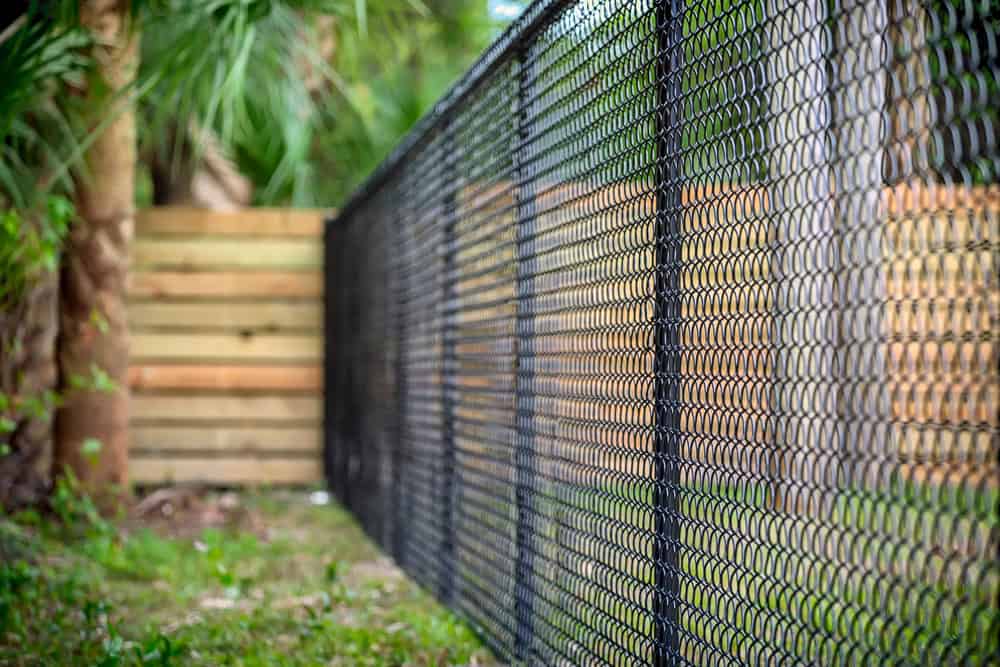
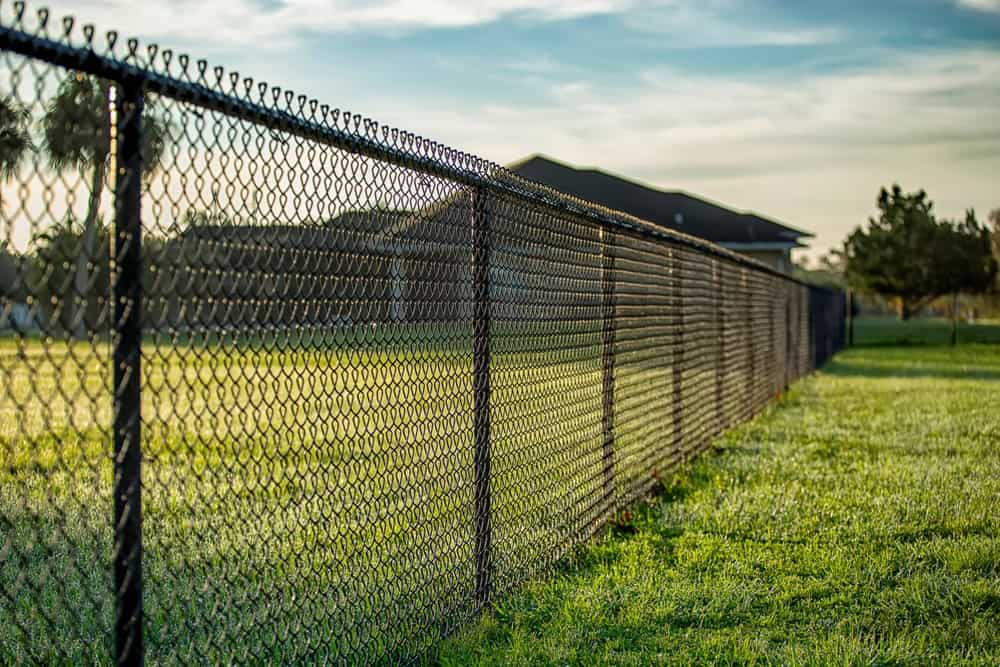
Your property gets a perimeter that holds up. Not just for a season, but for decades.
Chain link fencing around Orlando Executive Airport handles what Florida throws at it—humidity, salt air, afternoon storms, and hurricane-force winds that pass right through the mesh instead of ripping posts out of the ground. You’re looking at 20+ years of protection when it’s installed correctly with galvanized or vinyl-coated materials.
Most residential and light commercial jobs wrap up in one to three days. That means your kids and pets stay safe, your equipment stays where you left it, and your property lines stay clear without your life getting put on hold. The fence goes up fast because the process is straightforward when you’re working with people who’ve done this hundreds of times.
You also get options. Need privacy? Slats slide right into the mesh and block the view without blocking airflow. Need serious security? Heavier gauge wire makes climbing or cutting through nearly impossible. Need it to look sharp? Vinyl coating adds color and corrosion resistance. The baseline cost in Orlando runs between $1,400 and $2,300 for most residential projects, and you’re getting an ROI around 30% when it’s time to sell.
We work across Orange County and the surrounding areas, including the neighborhoods near Orlando Executive Airport—places like Lake Nona, Baldwin Park, and the downtown corridor where residential and commercial properties sit side by side.
We use top-grade galvanized steel and vinyl-coated materials because cheaper options don’t survive Florida. Our crews show up on time, work efficiently, and clean up when the job’s done. No hidden fees, no surprise charges, no dragging timelines out for weeks.
You’re hiring people who understand what chain link fencing needs to do in this climate. We’ve installed fences for homeowners protecting their backyards, business owners securing equipment yards, and property managers enclosing multi-unit complexes. The work holds up because we don’t cut corners on materials or installation standards.
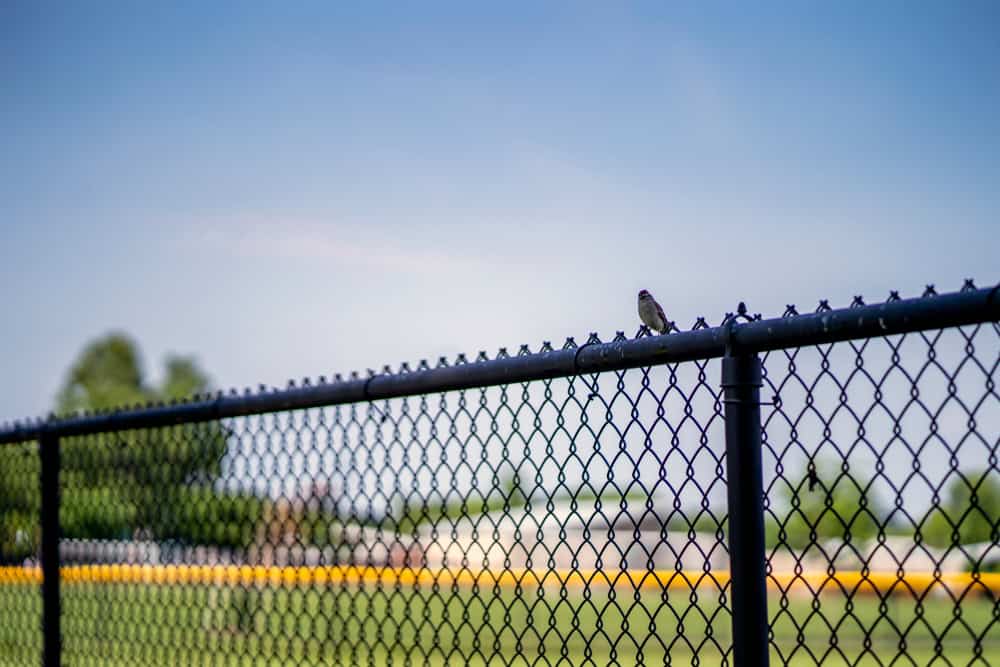
First, we measure your property and talk through what you need. Height, gate placement, privacy features, security upgrades—all of it gets mapped out before we order materials or schedule the crew.
Next, we mark post locations and dig footings. Posts get set in concrete and leveled so your fence line stays straight and stable. This part matters more than most people realize because wobbly posts mean a wobbly fence, and Florida soil doesn’t forgive sloppy work.
Then we stretch the mesh between terminal posts, attach it to line posts, and tension everything so it doesn’t sag. Gates get hung, latches get installed, and any privacy slats or top rails you ordered get added. We walk the perimeter with you, check every connection point, and haul off the debris.
The whole process takes one to three days depending on the size of your property and how complex the design is. You’ll know the timeline upfront, and we stick to it unless weather forces a delay.
Ready to get started?
You’re getting galvanized steel mesh that resists rust and corrosion, even near the coast. Standard residential installs use 9 or 11-gauge wire, which handles everyday security and pet containment. If you need something tougher—like for a commercial yard or high-security application—we go with 6 or 8-gauge that’s significantly harder to cut or climb.
Posts and rails are galvanized steel or aluminum depending on your budget and aesthetic preferences. Concrete footings anchor everything in place so your fence doesn’t shift when the ground gets saturated during rainy season. Gates come with heavy-duty hinges and latches that won’t rust out in six months.
Around Orlando Executive Airport, properties vary wildly. You’ve got residential homes in Baldwin Park where curb appeal matters, and you’ve got commercial sites near the airport where function trumps everything else. We adjust the approach based on what your property actually needs. Privacy slats, vinyl coating, barbed wire top rails, double gates for vehicle access—it all depends on how you’re using the space.
The area around ORL has seen steady development over the past decade, and property values have climbed as a result. A well-installed chain link fence adds security without killing your budget, and it makes your property more attractive to buyers down the road—especially families with kids or pets who want a fenced yard without paying premium prices for wood or vinyl.
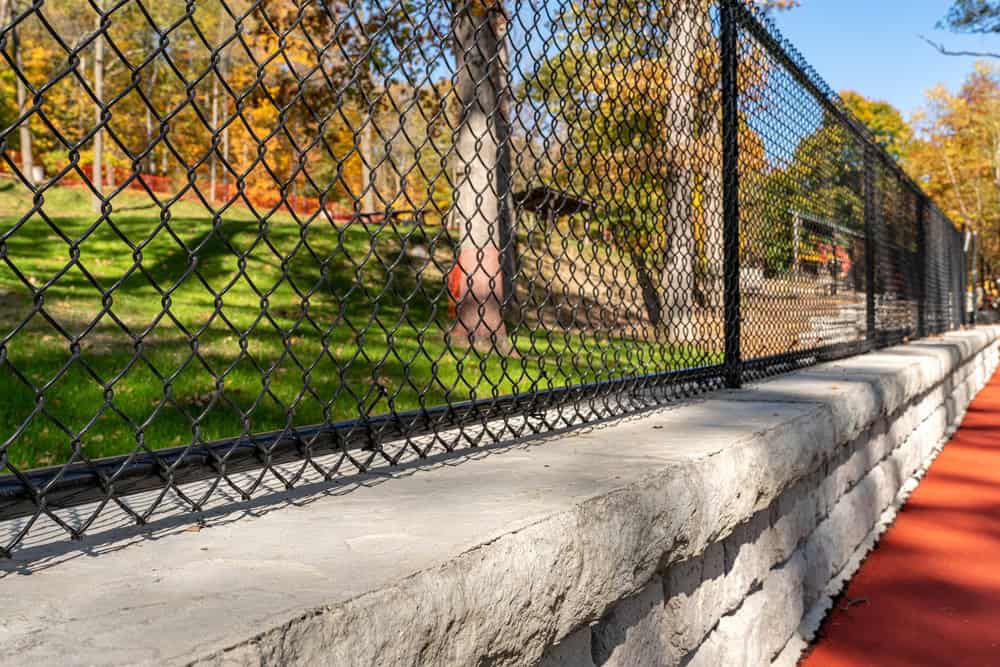
Most residential chain link fence installations in the Orlando area run between $1,400 and $2,300, with the average landing around $1,700. That covers materials, labor, and standard gates for a typical backyard or perimeter fence.
Your actual cost depends on a few factors. Linear footage is the big one—more fence line means more materials and more labor hours. Height matters too. A four-foot fence costs less than a six-foot fence because you’re using less mesh and shorter posts. Gauge thickness affects pricing as well. Heavier wire for security applications costs more than standard residential gauge.
Labor accounts for roughly half the total cost, which makes sense when you consider what goes into the work. Digging post holes in Florida soil, mixing and pouring concrete, stretching and tensioning mesh, hanging gates—it’s not a weekend DIY project unless you’ve got the tools and experience. Professional installers charge $18 to $36 per hour depending on crew size and project complexity, and most jobs take 24 to 72 hours from start to finish. Add-ons like privacy slats, vinyl coating, or barbed wire top rails increase the price, but they also increase the functionality and lifespan of your fence.
A properly installed chain link fence in Florida lasts 20 years or more, assuming you’re using galvanized or vinyl-coated materials and the installation was done right from the start.
Florida’s climate is tough on fencing. You’ve got high humidity year-round, salt air if you’re anywhere near the coast, intense UV exposure, and storms that test every connection point. Cheap, uncoated chain link rusts out in a few years. Galvanized steel holds up because the zinc coating protects the metal from corrosion. Vinyl-coated chain link adds another layer of protection and looks better longer, especially if you want color options beyond silver.
The weak points are usually the posts and gates, not the mesh itself. If posts aren’t set deep enough or the concrete footings crack, the whole fence starts to lean and sag. Gates take the most abuse because they’re constantly moving, so hinges and latches need to be corrosion-resistant from day one. Regular maintenance is minimal—hose it down a few times a year to remove dirt, pollen, and salt buildup, and check for any loose connections or damaged sections after major storms. Fix small problems early and your fence will outlast most of the other materials people install around here.
Yes. Privacy slats are the most common and cost-effective solution, and they install directly into the existing mesh without any structural changes to your fence.
Slats are thin strips of material—usually vinyl or aluminum—that weave vertically or diagonally through the chain link openings. They block the view from both sides while still allowing airflow, which is critical in Florida where solid privacy fences can act like sails during storms. You can choose from different colors to match your property or create contrast, and installation is straightforward enough that some homeowners do it themselves.
Another option is privacy screening fabric, which attaches to the fence with zip ties or clips. It’s lighter and faster to install than slats, but it doesn’t last as long and can look cheaper depending on the quality you buy. Some people use natural solutions like planting hedges or vines along the fence line, but that takes time to grow in and requires ongoing maintenance.
If you’re installing a new chain link fence and you already know you want privacy, we can add slats during the initial installation. It’s easier and often cheaper than adding them later. The fence still functions as a security barrier, you still get the durability and low maintenance of chain link, and you get the privacy you need without paying for a wood or vinyl fence that costs two or three times as much.
The main differences come down to gauge thickness, height, and security features. Residential fences typically use 9 or 11-gauge wire and run four to six feet tall. Commercial and industrial fences use 6 or 8-gauge wire and often go six to eight feet or higher, with barbed wire or razor wire on top.
Gauge refers to the thickness of the wire. Lower numbers mean thicker, stronger wire. An 11-gauge residential fence handles pets, kids, and basic property line marking just fine. A 6-gauge commercial fence is built to stop people from climbing over or cutting through, which matters when you’re securing construction sites, equipment yards, or facilities that need real perimeter control.
Commercial installations also use heavier posts and larger diameter top rails because the fence is taller and needs to handle more stress. Gate systems are beefier too—think rolling gates for vehicle access instead of simple swing gates. The concrete footings go deeper and wider to support the added weight and height.
Around Orlando Executive Airport, you see both types. Residential properties in nearby neighborhoods use standard chain link for backyard fencing, while businesses and industrial sites near the airport use commercial-grade setups to protect inventory and equipment. The installation process is similar, but the materials and labor costs are higher for commercial work because everything is built to a tougher standard. If you’re not sure which category your project falls into, we can assess your property and recommend the right specs based on what you’re trying to accomplish.
Most residential chain link fence installations take one to three days from start to finish. Smaller jobs—like enclosing a backyard that’s a quarter acre or less—often wrap up in a single day if the crew starts early and the weather cooperates.
Larger properties or commercial projects take longer because there’s more linear footage to cover, more posts to set, and sometimes more complicated gate systems to install. If you’re adding privacy slats, vinyl coating, or custom height requirements, that adds time too. We’ll give you a specific timeline during the estimate based on your property’s size and the scope of work.
Weather is the wildcard. Florida’s afternoon thunderstorms can delay concrete work because footings need time to cure properly, and you can’t pour concrete in the rain. If we hit a delay, we’ll let you know immediately and adjust the schedule. Most of the time, though, we’re in and out faster than you’d expect.
The speed comes from experience and preparation. We order materials ahead of time, show up with the right tools, and our crews know the process inside and out. You’re not waiting weeks for installation or dealing with a half-finished fence sitting in your yard. We schedule the work, complete it efficiently, and move on so you can start using your property the way you intended.
It depends on the height, location, and type of property you’re fencing. In most parts of Orange County, including areas around Orlando Executive Airport, you need a permit if your fence exceeds six feet in height or if it’s located in a front yard setback area.
Each municipality has its own rules. Some neighborhoods have HOA restrictions that go beyond city code, so you’ll want to check your community guidelines before moving forward. Corner lots often have stricter setback requirements because visibility matters at intersections. If your property sits in a flood zone or near protected wetlands, there may be additional permitting steps.
We handle permit applications as part of the installation process if you need us to. We know what the local building departments require, and we make sure the fence meets code before we start digging. That protects you from fines or having to tear down and rebuild a fence that doesn’t meet regulations.
If you’re replacing an existing fence in the same location and at the same height, permits are usually not required. But if you’re adding a new fence line or increasing the height, it’s worth confirming with the city or county before you commit. We can walk you through the specifics during your consultation and let you know exactly what’s required for your property. The last thing you want is a stop-work order halfway through the job because someone skipped the permitting step.
Other Services we provide in Orlando Executive Airport