You’re done with the cycle. Staining every year, watching boards warp after heavy rains, dealing with soft spots that signal rot. Wood fencing in Central Florida is a losing battle against humidity, UV exposure, and termites.
Vinyl fence installation in Orlando Executive Airport means you install once and move on with your life. No painting. No sealing. No weekend projects you didn’t sign up for. The only maintenance you’ll ever do is hosing it off once a year.
Your fence handles hurricane-force winds because the posts go nine feet long on every six-foot fence. That’s 50% more post in the ground than most contractors use. It flexes during storms instead of snapping. It doesn’t fade under relentless Florida sun. And when your neighbors are replacing rotted boards five years from now, yours will look the same as installation day.
The return on investment isn’t just financial. It’s time. It’s weekends. It’s not worrying whether your fence will survive the next tropical storm.
Mossy Oak Fence has been in the fence business for over three decades. We expanded to Central Florida in 2004 because we saw too many homeowners getting sold inferior materials and sloppy installation.
We’re the only fence company recognized by Best Practices for outstanding customer service. Voted number one for three consecutive years. That doesn’t happen by accident. It happens because we show up when we say we will, we use materials that actually last, and we don’t leave until the job meets our standards.
Every vinyl fence contractor in Orlando Executive Airport will tell you they’re licensed and insured. We are. But we also anchor every post with a minimum of 60 pounds of concrete and use nine-foot posts on all six-foot fences. Those details matter when the next hurricane rolls through. We’ve been serving Lake, Orange, Seminole, Brevard, Volusia, Osceola, Polk, Sumter, and Marion counties long enough to know what holds up and what doesn’t.

You call us or fill out a contact form. We schedule a time to come out and look at your property. No high-pressure sales pitch. We measure, discuss what you’re trying to accomplish, and answer your questions about materials, height restrictions, and timeline.
We provide transparent pricing. No hidden fees. You’ll know exactly what residential vinyl fence installation in Orlando Executive Airport costs before we start. If you need permits, we handle that. If your HOA requires approval, we’ll tell you what documentation you need.
Installation day, our crew shows up on time. We mark your property lines, dig post holes to the correct depth, and set those nine-foot posts in 60 pounds of concrete minimum. Vinyl fence panels installation happens once the posts cure. We level everything, attach rails and pickets, and clean up completely before we leave.
You get a lifetime warranty directly from the manufacturer on all vinyl products. That’s not our warranty. That’s the manufacturer standing behind their material because they know it lasts.

Ready to get started?
Vinyl fence installation cost in Orlando Executive Airport typically runs $15 to $40 per linear foot for standard four- or six-foot-tall fencing. Materials account for $10 to $30 per linear foot. Labor adds another $5 to $10 per linear foot. Most projects land between $2,400 and $5,100 depending on your property size and fence height.
That’s higher than wood upfront. But wood requires staining twice a year at $200 to $500 per treatment. Over ten years, you’re spending $4,000 to $10,000 just maintaining a wood fence. Vinyl costs about one-third of what wood costs over its lifetime when you factor in maintenance and eventual replacement.
Orlando doesn’t require permits for six-foot-tall fences on residential lots. If you’re going higher or installing near a corner lot, permits might apply. We’ll tell you upfront if your project needs one.
Florida’s climate is brutal on fencing. The combination of intense UV rays, seasonal flooding, and high humidity accelerates wear on inferior materials. PVC fencing in Orlando Executive Airport is specifically engineered to resist these conditions. It won’t warp in the heat. It won’t crack from temperature fluctuations. And because vinyl resists paint, any graffiti scrubs right off.
You’re not just buying a fence. You’re buying decades without maintenance, weather damage, or replacement costs.

Quality vinyl fencing lasts 20 to 30 years in Central Florida without significant degradation. The material is engineered specifically for high-humidity, high-UV environments like Orlando Executive Airport.
Wood fences start showing rot within five to seven years here. Moisture penetrates protective coatings, termites find soft spots, and you’re looking at board replacement or full fence replacement. Vinyl doesn’t absorb moisture, so rot isn’t possible. It doesn’t attract insects. And UV inhibitors in the material prevent the fading and brittleness you see with cheaper plastics.
The lifetime warranty from manufacturers isn’t marketing. It’s a reflection of how long this material actually performs. Your fence will outlast wood by a factor of three to four times, and it’ll look better doing it because you’re not dealing with warped boards, peeling paint, or structural failure after every storm season.
Properly installed vinyl fencing is up to four times more flexible than wood, which means it bends during high winds instead of snapping. The key phrase there is “properly installed.”
We use nine-foot posts on all six-foot fences. That gives you 50% more post in the ground compared to standard installation. Every post gets a minimum of 60 pounds of concrete. That anchoring system is what keeps your fence standing when wind speeds hit 70, 80, 90 miles per hour.
Vinyl’s flexibility is an advantage during storms. Wood is rigid. When wind pressure exceeds what the material can handle, it breaks. Vinyl flexes, distributes the load, and returns to its original position. You might see minor displacement after a major hurricane, but you won’t see the catastrophic failure that happens with wood or poorly installed vinyl. The installation quality matters as much as the material itself.
You hose it off once a year with soap and water. That’s it.
There’s no staining, no sealing, no sanding, no painting. If you get mold or mildew in shaded areas during particularly humid months, a soft brush and soapy water remove it in minutes. Vinyl doesn’t absorb moisture, so mold can’t penetrate the material. It sits on the surface where it’s easy to clean.
Compare that to wood, which requires pressure washing, sanding, staining, and sealing twice a year minimum if you want it to last. Each treatment takes a full weekend and costs $200 to $500 if you hire it out. Over ten years, you’re spending 20 weekends or $4,000 to $10,000 just keeping a wood fence functional. Vinyl eliminates that entire cycle. You pay once at installation, and the fence pays you back in time saved and repairs avoided for the next two to three decades.
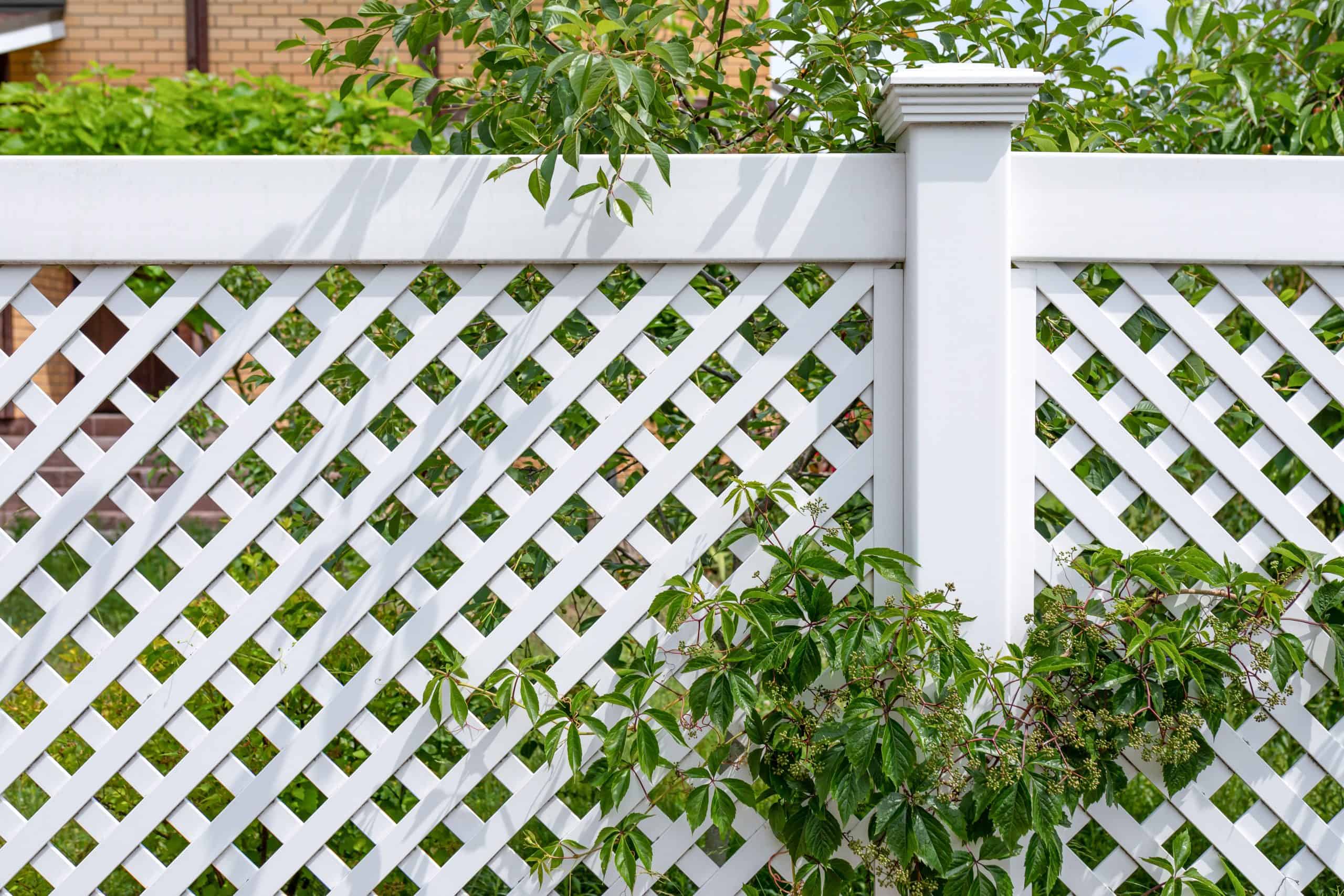
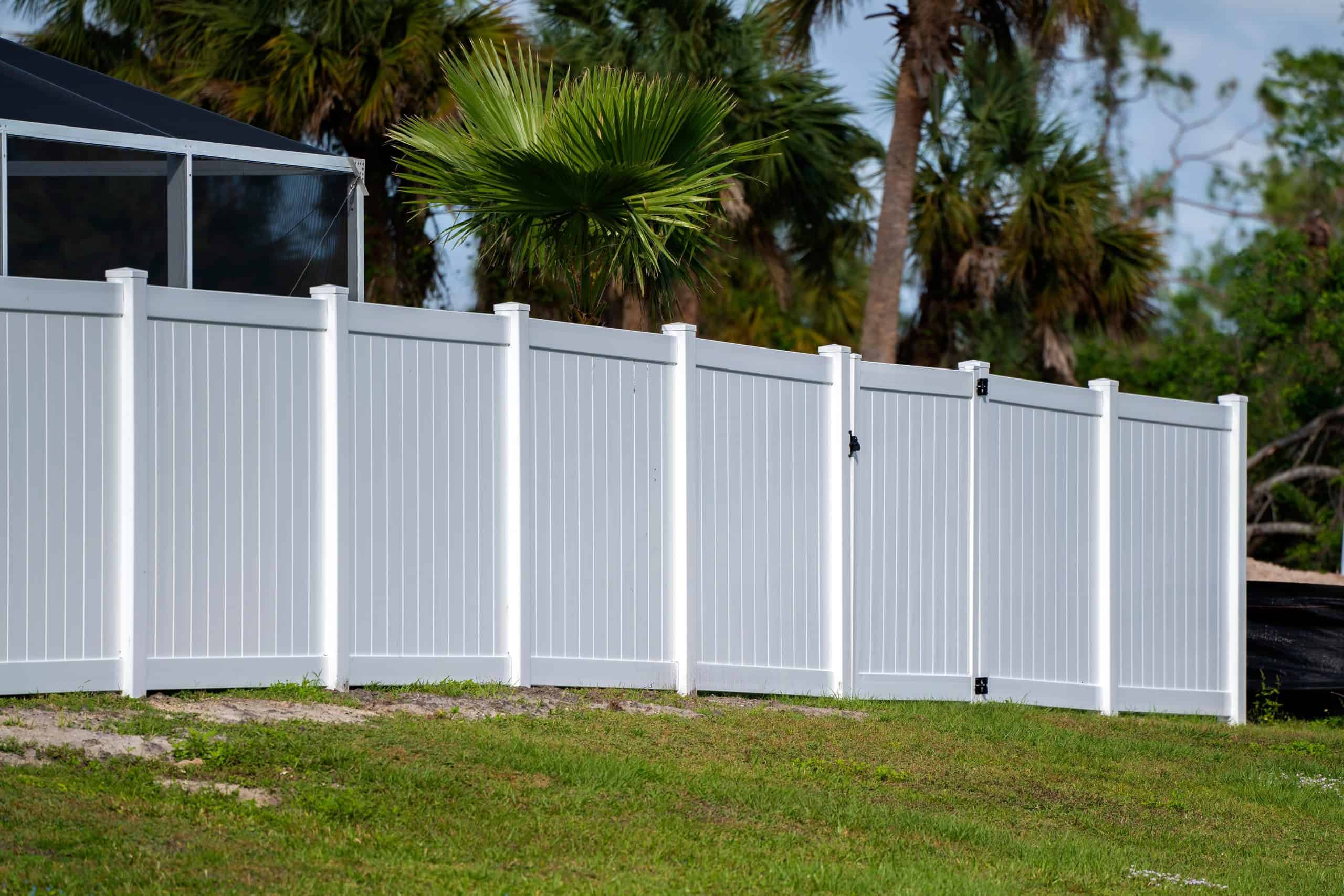
Vinyl fencing comes in multiple styles, heights, and colors. You’re not limited to white picket fences, though that’s still the most popular option for traditional homes.
Privacy fences, semi-privacy designs, decorative post caps, and ornamental accents let you match your home’s architecture. Colors include white, tan, gray, and even woodgrain finishes that mimic the look of wood without the maintenance. The 2025 trend is shifting toward bolder colors like bronze, dark green, and textured finishes, so options are expanding.
If you’re in a neighborhood with HOA restrictions, we’ll help you navigate those requirements. Most HOAs approve vinyl because it maintains curb appeal better than wood over time. No peeling paint, no warped boards, no discoloration. Your fence looks the same in year ten as it did on installation day, which is exactly what HOAs want to see.
We’ll walk you through style options during the consultation. You’ll see samples, discuss what works with your property, and get a clear picture of what the finished product looks like before we start.
Vinyl costs more upfront. A typical residential vinyl fence installation in Orlando Executive Airport runs $15 to $40 per linear foot. Wood fencing costs $10 to $25 per linear foot at installation.
But upfront cost isn’t total cost. Wood requires staining and sealing twice a year. That’s $200 to $500 per treatment if you hire it out, or a full weekend of your time if you do it yourself. Over ten years, you’re spending $4,000 to $10,000 on maintenance alone. Then you’re replacing rotted boards, fixing structural damage from termites, and eventually replacing the entire fence.
Vinyl costs about one-third of what wood costs over its lifetime. You install once, hose it off once a year, and it lasts 20 to 30 years without additional investment. The return on investment is about 50% when you sell your home, but the real return is the time and money you don’t spend maintaining it.
If your budget is tight and you need a fence immediately, wood might make sense short-term. But if you’re planning to stay in your home for more than five years, vinyl is the smarter financial decision.
Orlando doesn’t require permits for six-foot-tall fences on standard residential lots. If you’re installing a taller fence, building on a corner lot, or working near utility easements, you might need a permit.
We’ll tell you during the consultation whether your project requires one. If it does, we handle the paperwork. Permit costs are minimal compared to the fines you’ll face if you skip the process and get caught. Some homeowners assume they can install without approval and deal with consequences later. That’s a mistake. Code enforcement can make you tear down an unpermitted fence entirely.
HOA approval is separate from city permits. If you live in a neighborhood with an HOA, you’ll need their sign-off before installation. Requirements vary, but most HOAs approve vinyl because it maintains appearance better than wood. We’ll provide documentation and specifications your HOA needs to process the approval quickly.
Property line confirmation is critical. Disputes with neighbors over boundary lines cause more problems than permits ever will. We verify your property lines before we dig. If there’s any ambiguity, we recommend a survey. It costs a few hundred dollars and prevents thousands in legal fees if a neighbor claims you built on their land.
Other Services we provide in Orlando Executive Airport