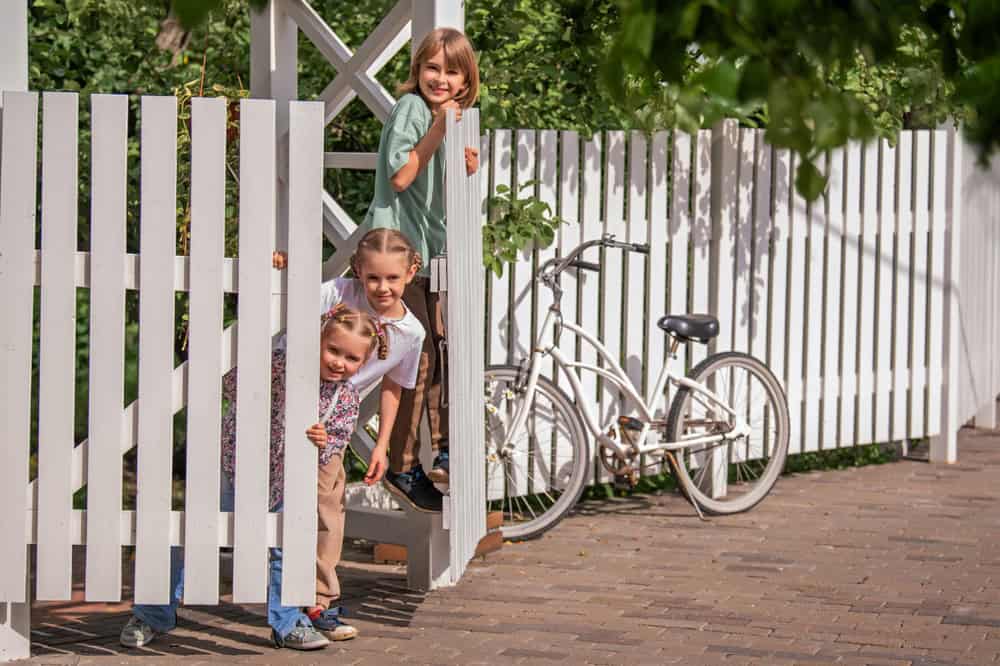
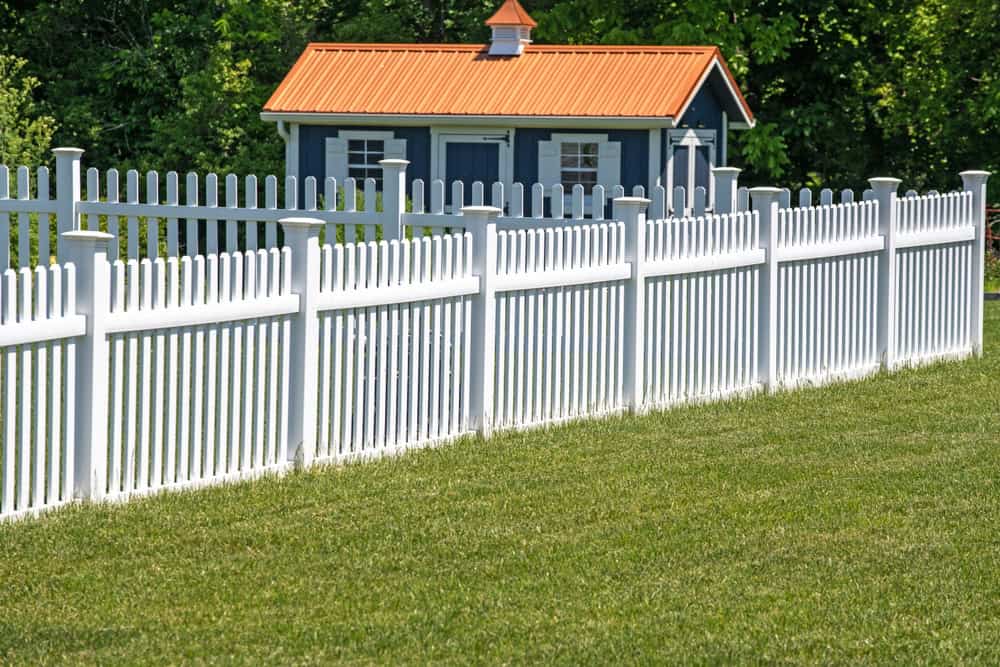
A fence that actually holds up means you’re not calling someone back in two years because the wood’s rotting from the inside or the posts shifted after a summer storm. You get privacy that stays private. Security that doesn’t sag. Curb appeal that doesn’t fade to gray after one season in the Florida sun.
The right fencing company in Orlando Executive Airport, FL knows that materials matter. Vinyl that won’t warp in 95-degree heat. Aluminum that can take wind gusts over 100 mph. Wood that’s treated properly so moisture doesn’t destroy it before you’ve even paid off the install.
You’re also getting a fence contractor who pulls permits, follows Florida building codes, and doesn’t disappear when you call with a question. That’s not extra—it’s baseline. But around here, it’s rare enough to mention.
We work across Central Florida, including Orlando Executive Airport and the surrounding counties. We’re not new to this climate. We know what fails and why.
Most fence failures around Orlando Executive Airport, FL come down to three things: wrong materials, shallow post depth, or contractors who skip steps to save time. We don’t do that. Every install is built to Florida’s wind load requirements, and we use materials rated for UV exposure and high humidity.
You’ll work with a local fencing contractor who’s licensed, insured, and actually answers the phone. We handle residential and commercial projects—privacy fences, pool barriers, chain link, aluminum, vinyl, wood, and custom gates.
You reach out, and we schedule a time to walk your property. We’ll measure the area, talk through what you’re trying to accomplish, and go over material options that actually make sense for your budget and Florida’s weather.
From there, we put together a quote with transparent pricing. No surprise fees. If permits are required, we handle that process—building codes around Orlando Executive Airport, FL can be confusing, and most homeowners don’t want to deal with county offices.
Once you approve the plan, we schedule the install. Our team shows up on time, sets posts to proper depth in concrete, and builds your fence to withstand high winds and heavy rain. After the job’s done, we walk the property with you to make sure everything’s right. Then we clean up and get out of your way.
Ready to get started?
Every project includes a full consultation where we assess your property and talk through what works. That means discussing fence height, material durability, gate placement, and how your soil type affects post installation. Sandy soil around Orlando Executive Airport, FL requires deeper footings and concrete—skipping that step is why so many fences lean after the first storm.
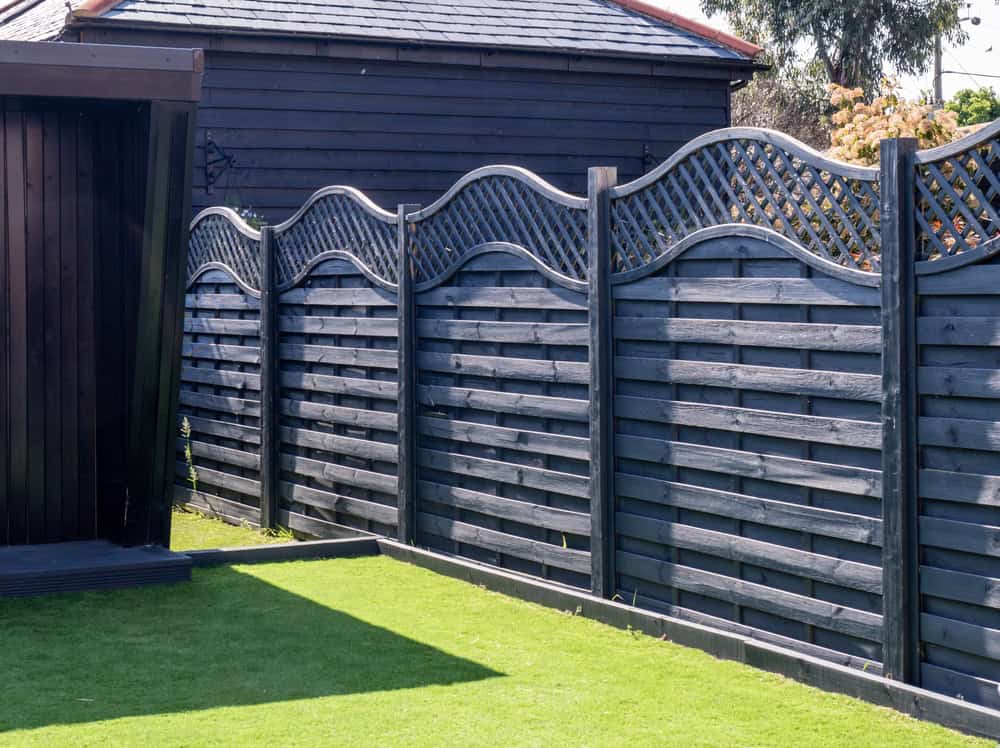
You’ll get fencing services that include permit coordination, material sourcing, professional installation, and a warranty that actually means something. We install privacy fences in wood, vinyl, and aluminum. We also handle chain link for commercial properties, pool fencing to meet safety codes, and custom estate gates.
If you’re replacing an old fence, we’ll remove and haul away the damaged sections. If you’re starting from scratch, we’ll mark utilities and make sure everything’s positioned correctly before we dig. The goal is a fence that does its job without you having to think about it again for years.

A properly installed wood fence in Central Florida typically lasts 10 to 15 years, but that depends entirely on the type of wood, how it’s treated, and whether it’s maintained. Pressure-treated pine is the most common choice because it resists rot better than untreated lumber, but even treated wood will break down if it’s not sealed or stained regularly.
Florida’s humidity is brutal on wood. If water gets into the grain and sits there, the wood rots from the inside out—even if it looks fine on the surface. That’s why we recommend resealing every two to three years and checking for soft spots or discoloration after heavy rain seasons.
Cedar and redwood last longer because they’re naturally resistant to moisture and insects, but they cost more upfront. If you want wood and you’re not interested in ongoing maintenance, vinyl might be the better move. It looks like wood, doesn’t rot, and holds up in Florida’s heat and storms without the upkeep.
Most residential fence installations around Orlando Executive Airport, FL do require a permit, especially if the fence is over a certain height or located near a property line. The rules vary depending on whether you’re in unincorporated Orange County or within city limits, but the general requirement is that you pull a permit before you start digging.
The permit process involves submitting a site plan that shows where the fence will go, how tall it’ll be, and what materials you’re using. The county checks that your fence meets setback requirements and doesn’t block sightlines at intersections or driveways. If you’re installing a pool fence, there are additional safety codes around gate latches and spacing between pickets.
We handle permits as part of our fencing services, so you don’t have to figure out the paperwork or wait in line at the county office. It usually adds a week or two to the timeline, but it’s worth it—installing without a permit can result in fines, and you might be forced to tear the fence down and start over.
Aluminum and vinyl fences perform the best in high winds because they’re designed with wind load requirements in mind. Aluminum doesn’t rust, won’t rot, and can flex slightly without breaking during gusts over 100 mph. Vinyl is impact-resistant and doesn’t absorb water, so it won’t weaken over time like wood can.
Chain link is also surprisingly durable in storms because wind passes through it instead of pushing against a solid surface. That’s why you see chain link around commercial properties and schools in Florida—it’s built to last and doesn’t require much maintenance.
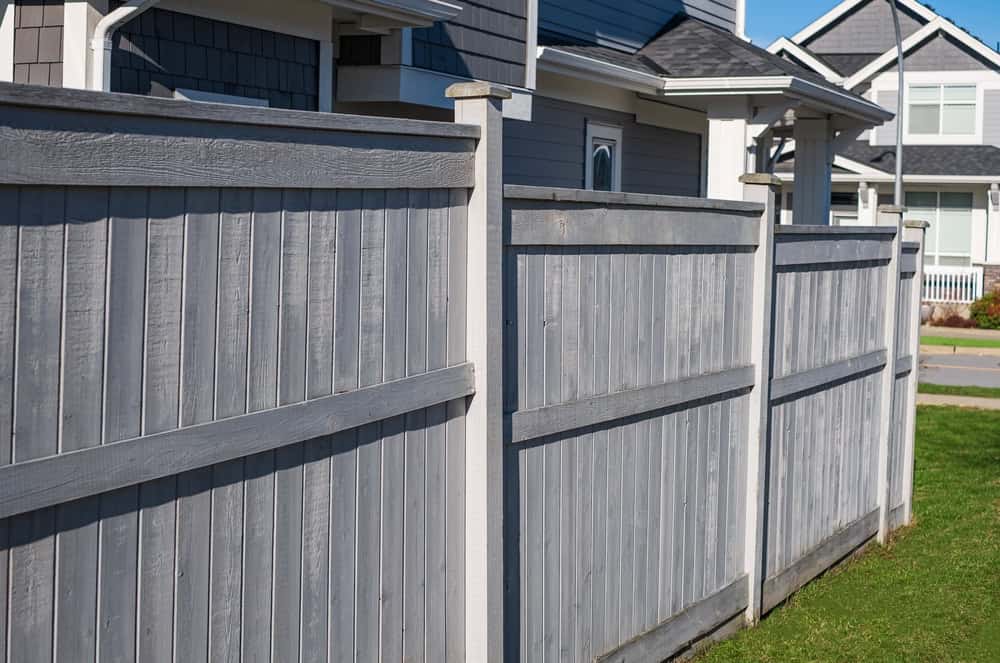
Wood fences are more vulnerable, especially if the posts aren’t set deep enough or if the panels are solid with no gaps for wind to pass through. A wood privacy fence in Orlando Executive Airport, FL needs posts sunk at least two feet into concrete to have any chance during a hurricane. Even then, older wood that’s started to weaken from moisture is more likely to snap or blow over. If you’re set on wood for the look, make sure your fence contractor is using proper bracing and deeper footings than the minimum code requires.
Most homeowners around Orlando Executive Airport, FL spend between $2,000 and $5,000 for a full privacy fence installation, depending on the size of the yard, material choice, and whether there are any obstacles like trees, slopes, or utility lines. Vinyl fencing typically runs higher—closer to $3,600 to $5,100 for an average-sized yard—because the material costs more upfront, but you’re not paying for staining or repairs down the road.
Wood privacy fences are usually the most affordable option at install, but you’ll spend money on maintenance every few years. Aluminum falls somewhere in the middle and comes with a longer lifespan than wood without the ongoing upkeep. If your property has sandy soil or requires extra post depth for wind resistance, that can add to the cost because it takes more concrete and labor.
The price also depends on fence height. A six-foot privacy fence costs more than a four-foot one, and if you need gates or custom features, that’s extra. We give you transparent pricing upfront so there’s no confusion about what you’re paying for. If permits are required, we factor that into the quote as well.
It depends on how much damage there is and what caused it. If a few pickets are broken or a post has started to lean, that’s usually repairable. We can replace individual boards, reset posts in fresh concrete, or reinforce sections that have weakened over time. Repair makes sense when the majority of the fence is still in good shape and the damage is isolated.
But if the fence is sagging in multiple spots, the wood is soft and rotting, or the structure shifted during a storm, replacement is often the better move. Trying to patch a fence that’s already failing just buys you a little time before the next section goes. You end up spending more in the long run on repeated repairs than you would’ve spent replacing it once.
We’ll walk your property and give you an honest assessment. If repair works, we’ll tell you. If replacement makes more sense, we’ll explain why. The goal is to give you a fence that actually functions, not just one that looks okay for another six months before it falls apart again.
Fence posts in Central Florida should be set at least two feet deep in concrete, and deeper is better if you’re in an area with sandy soil or high wind exposure. Florida’s building codes require fences to withstand wind speeds of at least 115 mph in a three-second gust, and that starts with how deep the posts are anchored.
Sandy soil doesn’t hold posts as well as clay or compact dirt, so you need more concrete to keep everything stable. A lot of fence failures around Orlando Executive Airport, FL happen because contractors set posts too shallow or skip the concrete entirely to save time. When the ground gets saturated during heavy rain, those posts shift—and once a fence starts leaning, it’s hard to fix without resetting everything.
We dig post holes to the right depth and use concrete on every install. For taller fences or areas that get hit hard by wind, we’ll go even deeper. It takes more time and materials upfront, but it’s the difference between a fence that lasts and one that you’re calling someone to fix after the first storm.
Other Services we provide in Orlando Executive Airport