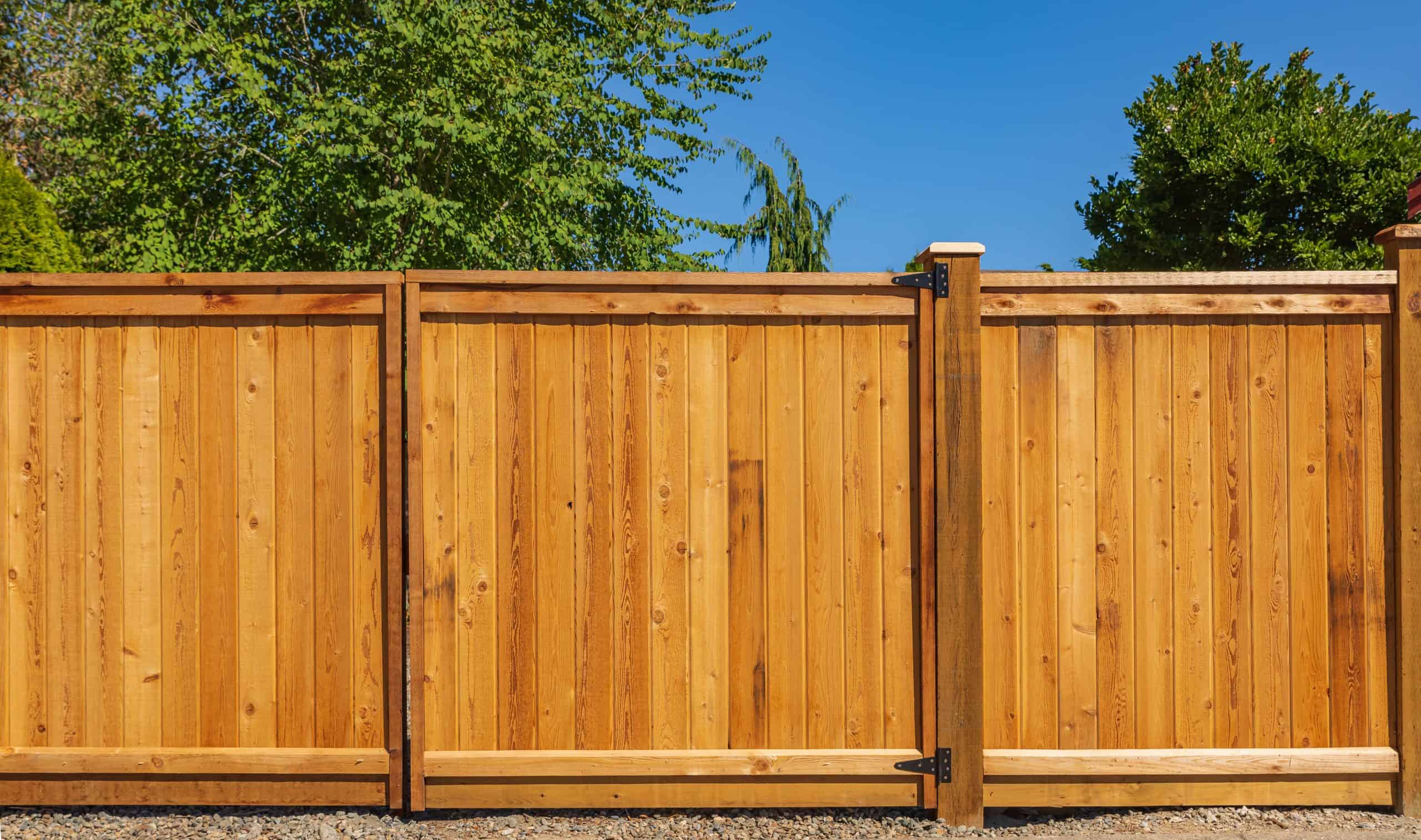
Your fence should do more than mark property lines. It should give you actual privacy when you’re in your backyard. It should stay standing when hurricane season rolls through Central Florida. And it shouldn’t need replacing in five years because the wood rotted out or the posts started leaning.
That’s what happens when you use pressure treated fence materials built for Florida’s climate and install them the right way. Ground contact pressure treated pine resists moisture and termites. Hot-dipped galvanized ring shank nails won’t corrode or pull apart when the humidity hits. The fence gets built on-site, stick by stick, so it can handle your terrain without gaps at the bottom or panels that don’t line up.
You’re not just getting a fence. You’re getting a structure that holds up to 60+ mph winds, meets HOA requirements without the back-and-forth, and comes with a lifetime warranty on posts and rails against wood rot and termite damage. That’s the difference between a wood fence installation in Orlando Executive Airport that lasts and one that becomes your problem two summers from now.
We’ve been installing wood fences across Orange County and the surrounding Central Florida area since our roots began back in 1992. We’re licensed, bonded, and insured because that’s what protects you when something goes wrong on a job site.
We know the permit requirements for Orlando Executive Airport and surrounding areas. We know which HOA guidelines apply to your neighborhood and how to get approval without you having to chase down board members. We’ve installed enough custom wood privacy fences in this climate to understand what works and what fails when the weather turns.
You’re working with a local team that shows up when scheduled, builds your fence correctly, and doesn’t disappear after installation. That’s not marketing talk—it’s how we’ve stayed in business for over 16 years in a market full of fly-by-night contractors.

First, we come out to look at your property and talk through what you need. We measure the area, check the terrain, and discuss any HOA requirements or permit issues upfront. You get transparent pricing with no hidden costs—what we quote is what you pay.
Once you approve the estimate, we handle the permit paperwork if your project requires it. We’re well-versed in what triggers permit requirements in Orlando Executive Airport and the surrounding areas, so you don’t have to figure that out yourself.
Installation day, our crew shows up and builds your wood fence on-site using full-size custom materials. We’re not assembling pre-built panels that warp and gap before they’re even installed. Every post gets set properly. Every board gets secured with corrosion-resistant fasteners. If your yard has slopes or uneven ground, the fence rolls with the terrain instead of stair-stepping and leaving gaps.
After installation, we walk you through the finished fence and answer any questions about maintenance. Your wood posts and horizontal rails come with a lifetime warranty against wood rot and termite damage. Pickets carry a minimum 15-year warranty. If something’s not right, we fix it.

Ready to get started?
Every wood fence we install uses ground contact pressure treated pine. That’s not optional—it’s the only material that holds up to Florida’s humidity, rain, and the termites that love untreated wood. The pressure treatment forces preservative agents deep into the lumber, extending its lifespan well beyond what you’d get from standard pine.
We build custom stick-built wood privacy fences, not pre-fabricated panels. That means full-size materials, not the thin-walled stuff that cracks and warps in the Florida sun. It also means your fence can adapt to any terrain without leaving gaps or requiring a stair-step design that looks cheap and performs worse.
All fasteners are hot-dipped galvanized ring shank nails. They won’t rust out or lose their grip when moisture gets in. Posts and rails carry a lifetime warranty against wood rot and termite damage. Pickets are covered for at least 15 years under the same conditions.
If your property is in an HOA community near Orlando Executive Airport, we’ll make sure your wood fence installation meets their guidelines before we start. We’ve handled enough HOA approvals to know what they’re looking for, and we’ll help you avoid the fines and headaches that come from installing something that doesn’t comply.
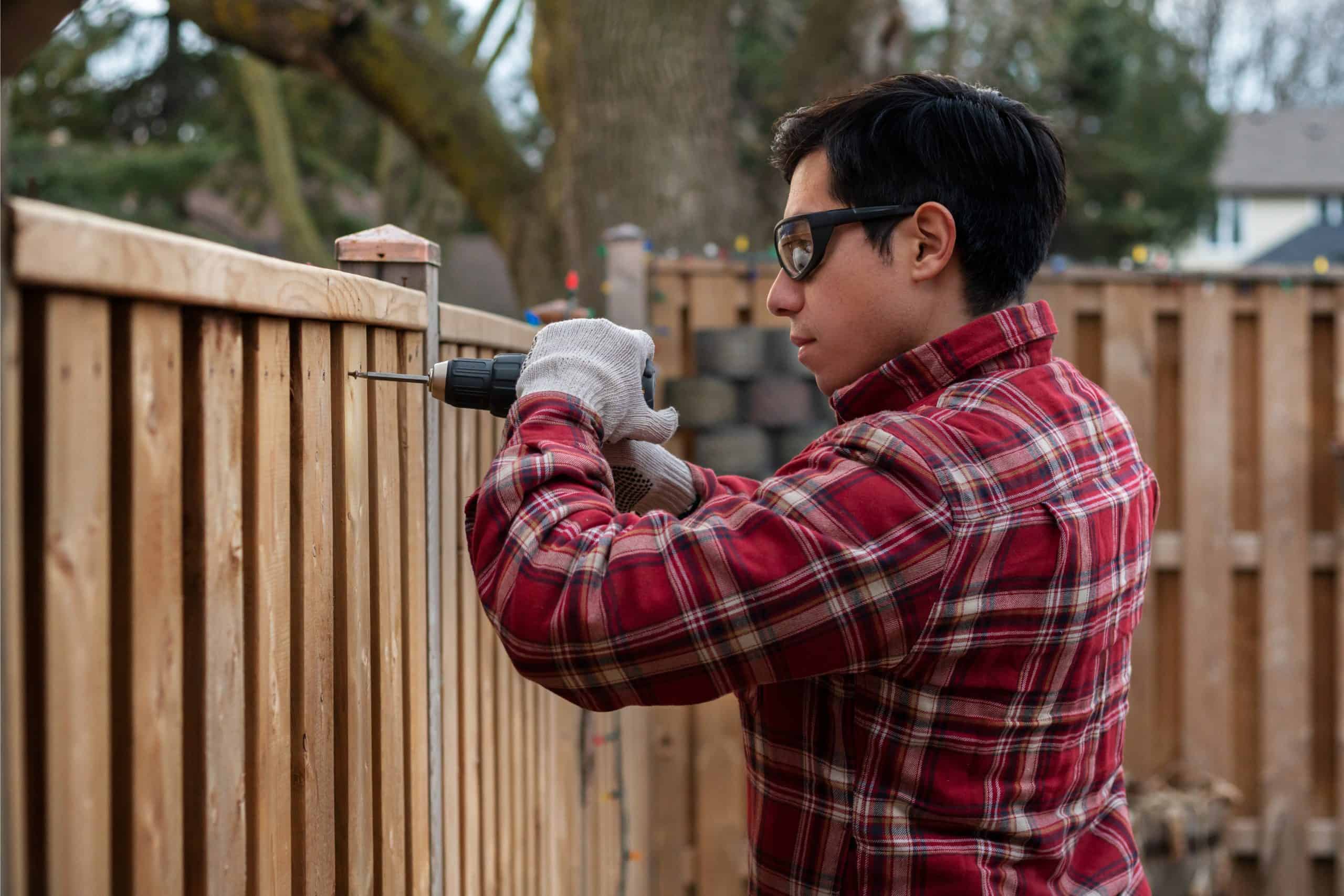
It depends entirely on how it’s built. Wind speeds over 60 mph will knock down poorly constructed wood fences—the kind where contractors use cheap fasteners, skip proper post-setting, or rely on pre-built panels that weren’t designed for Florida weather.
A properly installed wood fence in Orlando Executive Airport uses pressure treated materials, hot-dipped galvanized ring shank nails, and posts set deep enough to handle high winds. Our wood specification meets Miami-Dade wind code standards, which means it’s engineered to withstand the toughest weather conditions Central Florida throws at it. That doesn’t mean a Category 4 hurricane won’t damage your fence, but it does mean you’re not dealing with a total collapse every time a strong storm rolls through.
The other factor is maintenance. Wood fences need a safety coating applied about six weeks after installation to protect against corrosion and moisture damage. If you skip that step, even the best installation will deteriorate faster than it should. We’ll walk you through what’s needed to keep your fence standing long-term.
In Orlando and the surrounding jurisdictions, most new fence installations require a permit. The criteria usually involve fence height, proximity to property lines, and whether you’re in a flood zone or near protected areas. Front yard fences typically need to stay under four feet, while backyard fences can go up to six feet in most residential zones.
If you’re in an HOA community, you’ll need HOA approval before you can even apply for a permit. Some HOAs have specific requirements around fence style, color, and materials that go beyond what the county requires. Miss those guidelines and you’re looking at fines that start small but stack up quickly—and in some cases, liens on your property.
We handle the permit process for you. Our team knows the criteria for determining whether your project requires a permit, and we’ll obtain all the necessary documentation to make it hassle-free. You don’t have to call the county, figure out the paperwork, or wait in line at the permitting office. We take care of it so your installation stays on schedule and compliant.
Pre-built panels are assembled off-site using thinner materials and weaker construction methods. They’re faster to install, which is why some contractors prefer them, but they come with problems. Panels are known to have gaps, cracks, and warping even before installation. Once they’re up, they can’t adapt to sloped or uneven terrain without leaving gaps at the bottom or requiring a stair-step design that looks bad and performs worse.
Stick-built wood fences are constructed on-site, board by board, using full-size custom materials. That allows the fence to roll with your terrain naturally. No gaps. No awkward stair-stepping. The materials are thicker and more durable, and the construction method creates a stronger overall structure that holds up better to wind, moisture, and daily wear.
It takes longer to build a stick-built fence, but that’s the point. You’re getting a custom wood fence installation in Orlando Executive Airport that’s designed specifically for your property, not a one-size-fits-all panel that was built in a warehouse and shipped to your yard. The difference shows up in how long the fence lasts and how well it performs when the weather turns.
Wood fence costs in Central Florida typically range from $20 to $30 per linear foot, depending on the type of wood, fence height, and design complexity. A standard residential installation usually falls between $2,500 and $4,500 for an average-sized yard, but that can go higher if you’re covering a larger area, dealing with difficult terrain, or adding custom features.
Pressure treated fence materials cost more upfront than untreated wood, but they last significantly longer in Florida’s climate. You’re also paying for proper installation—posts set correctly, galvanized fasteners that won’t corrode, and construction methods that meet wind code standards. Cheaper quotes usually mean shortcuts somewhere, whether that’s materials, labor, or both.
We provide transparent pricing with no hidden costs. What we quote is what you pay. If your project requires permits, we’ll include that in the estimate so there are no surprises later. You’re not getting the lowest price in town, but you’re getting a wood fence that won’t need replacing in five years because the contractor cut corners to win your business.
Yes. Pressure treated wood resists rot and termites, but it still needs a protective coating to handle Florida’s UV exposure, moisture, and temperature swings. We recommend applying a safety coating about six weeks after installation. That waiting period lets the wood dry out and stabilize after the pressure treatment process.
The coating protects against corrosion, moisture penetration, and the kind of surface damage that leads to splintering and discoloration. Without it, your fence will weather faster and require more frequent repairs. Some homeowners skip this step because the fence looks fine right after installation, but that’s when you should be sealing it—not after the damage starts showing up.
You can apply the coating yourself or hire it out. Either way, it’s a necessary step if you want your wood privacy fence in Orlando Executive Airport to last as long as the warranties suggest. After the initial coating, plan to reapply every two to three years depending on sun exposure and weather conditions. It’s not complicated maintenance, but it’s not optional either.
That depends on your specific HOA guidelines, but we’ll make sure it does before we start. Most HOAs in the Orlando Executive Airport area have requirements around fence height, style, color, and materials. Some only allow certain types of wood or specific stain colors. Others restrict fence placement or require particular post styles.
We’ve handled enough HOA approvals in Central Florida to know what they’re looking for. Before installation, we’ll review your HOA’s guidelines and design your fence to meet those requirements. If there’s any ambiguity in the rules, we’ll help you get clarification from the board before moving forward.
Missing HOA requirements isn’t just an inconvenience—it can result in fines starting at $25 and escalating into the hundreds. In extreme cases, HOAs can place liens on your property if you don’t bring the fence into compliance. We make sure that doesn’t happen by getting it right the first time. You shouldn’t have to deal with angry letters from your HOA because your contractor didn’t do their homework.
Other Services we provide in Orlando Executive Airport