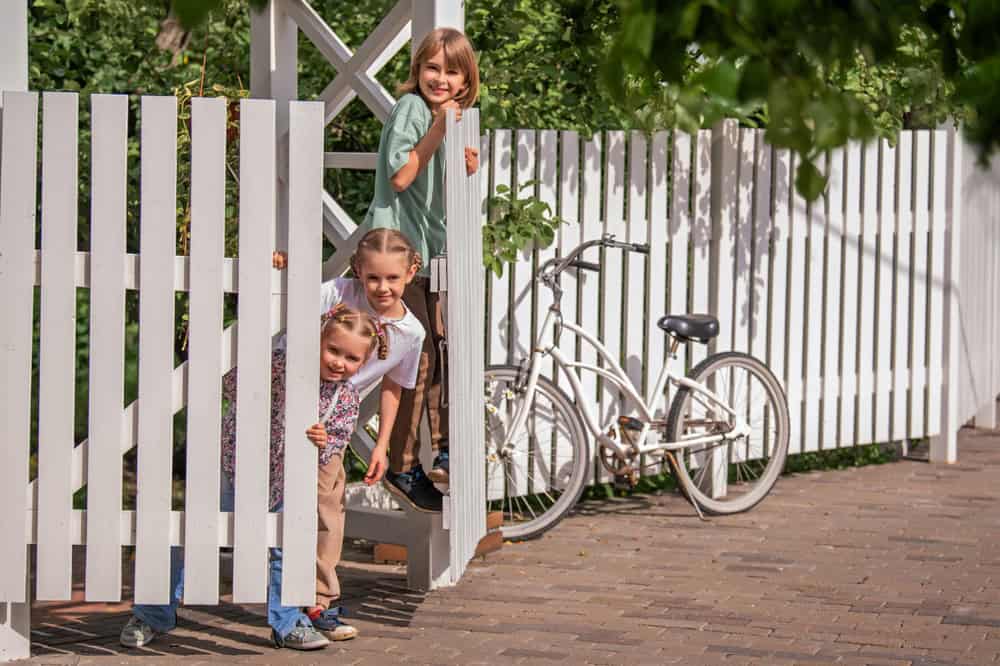
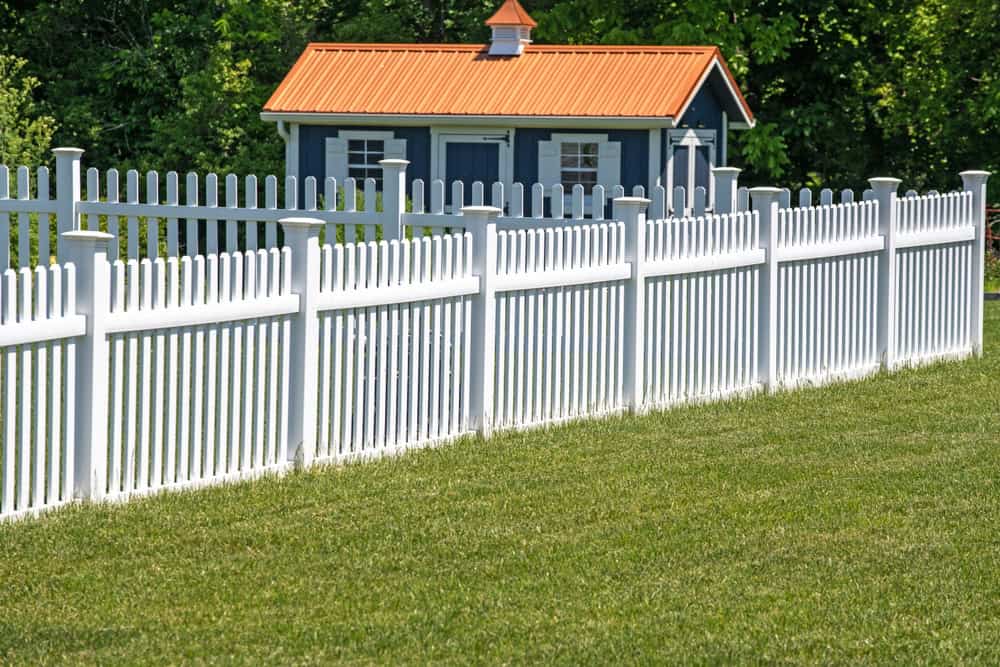
You’re not just getting posts in the ground. You’re getting a barrier that keeps your kids and pets safe in the yard without constant supervision. You’re getting privacy from neighbors close enough to hear your conversations. You’re getting a property line that looks intentional, not like an afterthought.
When storms roll through—and they will—you won’t be the one scrambling to pick up fence panels from three yards over. Hurricane-rated installation means steel post inserts and concrete mounts that stay put when other fences don’t. That’s not marketing talk. That’s the difference between replacing your fence every few years and actually forgetting it’s there.
And if you’re thinking about selling eventually, buyers in Horizon West notice curb appeal. A solid privacy fence around your backyard isn’t just functional. It’s one less thing they’ll want to negotiate down.
We’ve been working in Central Florida long enough to know what holds up and what doesn’t. Horizon West isn’t like other markets—you’ve got newer construction, HOA guidelines, and soil that shifts more than people expect. We’ve handled all of it.
Our team covers Lake, Orange, Seminole, and surrounding counties, so we’re not flying in from somewhere else trying to figure out local codes. We know the permitting process. We know which materials last in Florida humidity. And we know how to install a fence that won’t embarrass you or fall apart when the next storm comes through.
You’ll get transparent pricing, no surprise fees, and a crew that shows up when they say they will. That’s how we’ve stayed busy in this area.
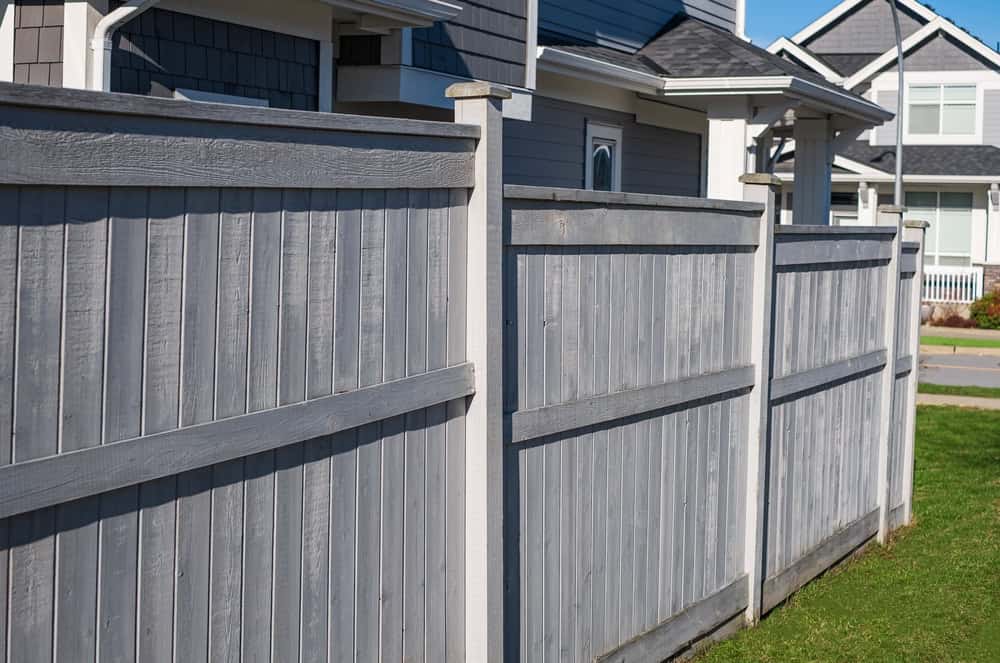
First, we come out to your property and walk the line with you. You’ll tell us what you’re trying to accomplish—privacy, security, keeping the dog in, whatever it is. We’ll take measurements, check for any drainage or utility issues, and talk through material options that make sense for your budget and your goals.
Once you approve the plan, we handle the permitting. Then we schedule the install around your life, not ours. Our crew preps the site, sets the posts with proper concrete footings, and installs your fence sections with the kind of attention that keeps everything level and secure. If you’re adding gates—manual or automatic—we handle that too.
The whole process usually wraps up in a few days depending on the size of your yard. You won’t have a crew camping out at your house for weeks. And when we’re done, we clean up the site so you’re not left with piles of dirt and leftover materials in your driveway.
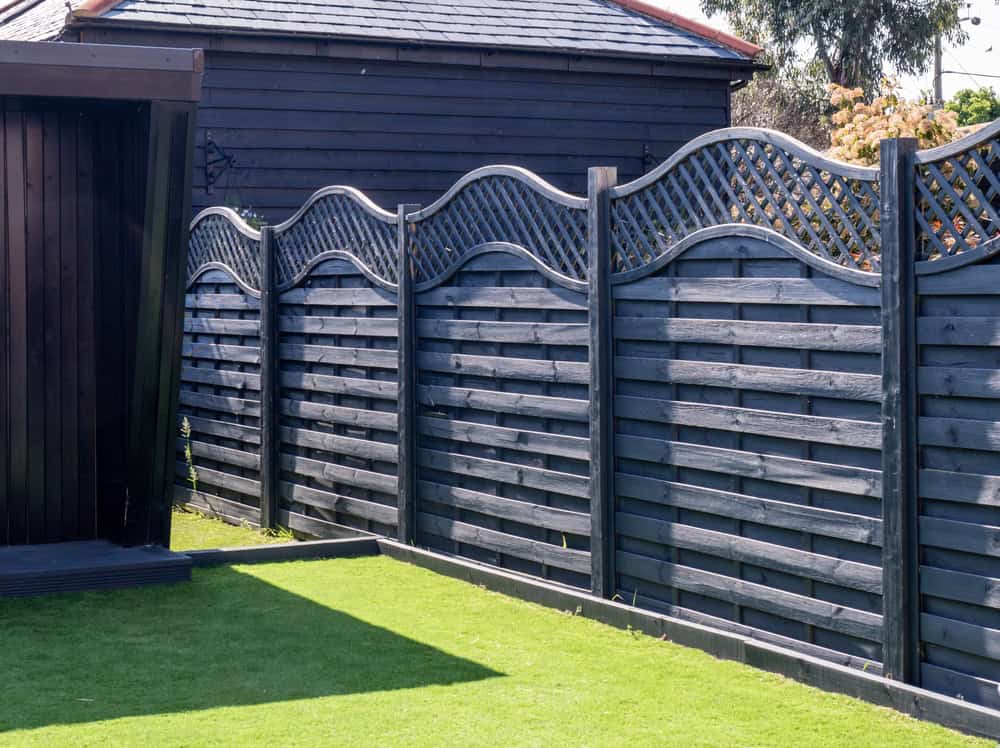
Ready to get started?
You’re getting more than just fence panels. Every installation includes a full site assessment, material recommendations based on your specific property conditions, and professional-grade hardware that’s built for Florida weather. We’re talking galvanized or stainless steel fasteners, concrete set posts, and wind-rated brackets where needed.
In Horizon West, most homeowners are dealing with newer builds and HOA restrictions. We’ll make sure your fence meets community guidelines before we start, so you’re not dealing with violation notices after the fact. If you need a specific style or height to stay compliant, we’ll work within those rules without compromising on quality.
We also install gates—walk-through, double-drive, and automatic options if you want the convenience of remote access. And if your existing fence just needs repair or partial replacement, we handle that too. You don’t need to rip out the whole thing if only a section got damaged. We’ll assess what’s salvageable and what needs to go, then give you an honest recommendation that doesn’t pad the bill.
Vinyl and aluminum fences handle high winds better than wood in most cases, especially when installed with reinforced posts. Solid vinyl panels can take wind speeds up to 160 mph if they’re mounted correctly with steel inserts and deep concrete footings. Aluminum is another strong option because it’s lightweight but doesn’t rust or rot in Florida’s humidity.
Wood can work if you go with a semi-private design that lets wind pass through, but solid wood privacy fences take more of a beating during storms. The key isn’t just the material—it’s how it’s installed. Shallow post holes and weak brackets are why you see so many fences down after a hurricane, not necessarily because the material failed.
If you’re in Horizon West and you’re worried about storm damage, ask us how deep we’re setting posts and what kind of reinforcement we’re using. That’s where most shortcuts happen.
It depends on what you’re installing and how much ground you’re covering. Vinyl privacy fencing usually runs higher per linear foot than chain link, but it also lasts longer and needs zero maintenance. Wood falls somewhere in the middle upfront, but you’ll spend more over time on staining and repairs.
For a typical Horizon West backyard—say 150 to 200 linear feet—you’re looking at a range that varies based on material, height, and whether you’re adding gates. The best way to get an accurate number is to have us come out and measure. Any quote you get over the phone without seeing your property is just a guess.
We give transparent pricing after the site visit, and we don’t tack on surprise fees later. You’ll know what you’re paying before we start, and that number won’t change unless you change the scope of the project.
Yes, most residential fence installations in Horizon West require a permit from Orange County. The county wants to make sure your fence meets setback requirements, height restrictions, and doesn’t interfere with drainage or utilities. If you’re in an HOA community—which most of Horizon West is—you’ll also need approval from your homeowners association before you apply for the county permit.
The permit process isn’t complicated, but it does take time. You’ll need a site plan, proof of property lines, and sometimes a survey depending on where your fence is going. A lot of homeowners try to skip this step, and it comes back to bite them when they go to sell or when a neighbor complains.
We handle permitting as part of the installation process, so you don’t have to deal with the county or your HOA directly. It’s one less thing on your plate, and it keeps the project moving without delays.
A properly installed vinyl fence can last 20 to 30 years in Florida without needing major repairs. It won’t rot, warp, or attract termites like wood does, and it doesn’t rust like metal. The UV inhibitors in quality vinyl prevent it from fading or getting brittle under constant sun exposure, which is a big deal here.
The main thing that shortens the lifespan of vinyl fencing is poor installation. If the posts aren’t set deep enough or the panels aren’t reinforced for wind, you’ll have problems during the first big storm. But if it’s done right, vinyl is one of the lowest-maintenance options you can choose.
You won’t need to paint it, stain it, or seal it. A hose and some soap once a year is enough to keep it looking clean. For homeowners in Horizon West who don’t want to spend weekends maintaining their fence, vinyl makes a lot of sense.
Yes, but it takes more planning than a flat yard. There are two main ways to handle sloped terrain: racked fencing and stepped fencing. Racked fencing follows the slope in a smooth line, which works well for chain link or aluminum. Stepped fencing creates level sections that step down the hill, which is what you’ll usually see with vinyl or wood privacy fences.
The method depends on how steep your slope is and what type of fence you’re installing. If the grade is mild, racking usually looks cleaner. If it’s a sharper drop, stepping prevents awkward gaps at the bottom of the panels.
In Horizon West, a lot of properties have subtle grading for drainage, especially in newer developments. We’ll assess your yard during the site visit and recommend the best approach. Either way, the fence will be secure and level where it needs to be—you won’t end up with panels that look crooked or gaps big enough for your dog to squeeze through.
A fence contractor specializes in fencing—permitting, materials, installation techniques, and local codes. A handyman might be able to put up a fence, but they’re not doing it every day, and they’re probably not pulling permits or using commercial-grade equipment. That’s fine for small repairs, but it’s a gamble for a full install.
Fencing in Florida has specific challenges. You need to account for high winds, soil conditions, and humidity that rots wood faster than it would up north. A contractor who works in this market regularly knows how to build for those conditions. They also carry proper insurance, which matters if something goes wrong during the install.
If you’re investing a few thousand dollars into your property, it’s worth hiring someone who does this full-time and stands behind their work. You’ll get a fence that lasts, and you won’t be dealing with repairs or replacements a year later because it wasn’t done right the first time.
Other Services we provide in Horizon West