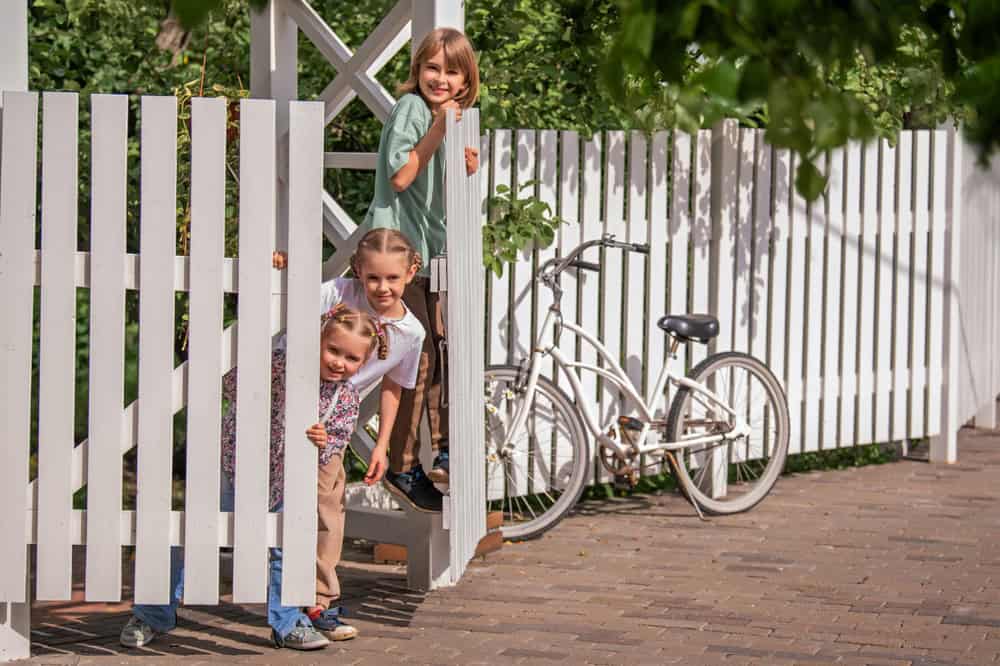
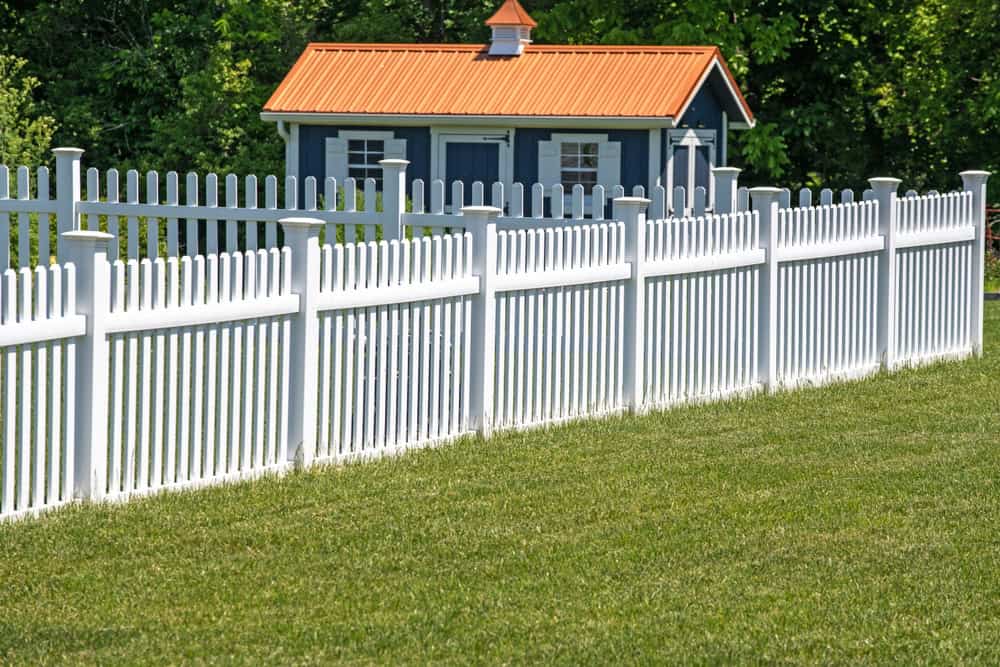
You’re not just getting a fence. You’re getting privacy when you need it, security that actually works, and a property line that doesn’t become your weekend project every time a storm rolls through.
Most fences in Azalea Park fail because they weren’t built for Florida. The humidity warps wood that wasn’t treated properly. Wind pulls apart installations that cut corners on post depth. And contractors who disappear after the job leave you holding the repair bill.
When your fence is installed correctly from the start, you’re not repainting every year. You’re not replacing panels after hurricane season. You’re not dealing with sagging gates or posts that lean after the first heavy rain. You’re getting years of function without the constant maintenance cycle that comes with cheap materials and faster-is-better installation.
We’ve been installing fences in Orange County since 1992. That’s over 30 years of dealing with Florida’s weather, understanding local permit requirements, and knowing which materials actually survive here.
We’re licensed, bonded, and insured—which matters more than it sounds. In Florida, fence installation doesn’t require state certification, so plenty of contractors operate without proper credentials. That leaves you with no recourse when the work fails.
Azalea Park sits right in the path of Central Florida’s storm systems, bordered by Colonial Drive to the north and Curry Ford Road to the south. Homes here need fences that can handle hurricane-force winds, not just look good at installation. We’ve been building for this climate long enough to know the difference.
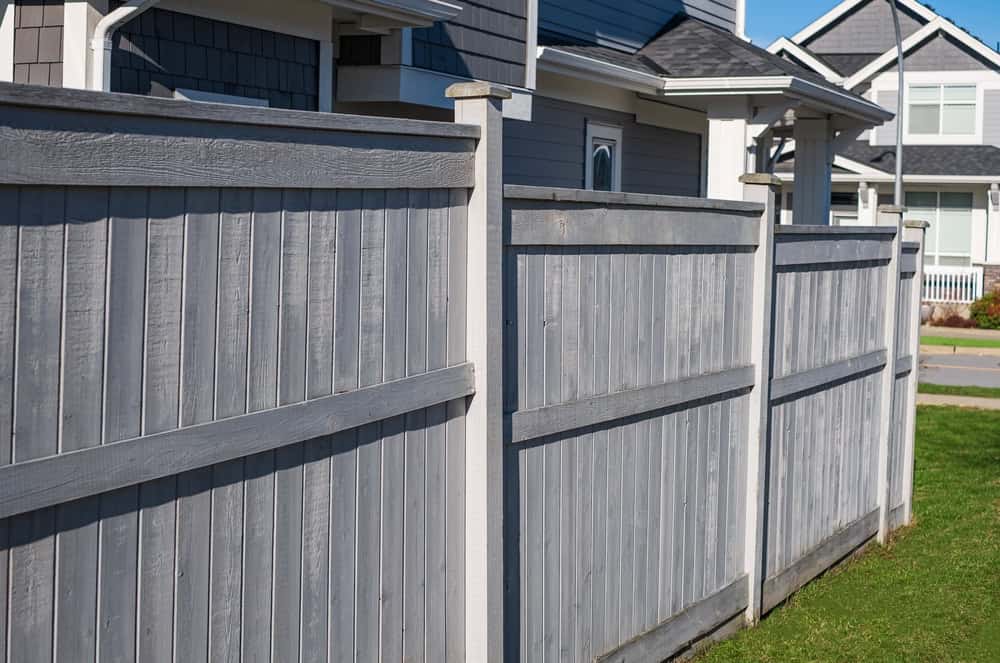
First, we come out for a free estimate. You show us what you need, we measure the property, and we talk through material options that make sense for your budget and your goals. No pressure, no upselling—just a clear breakdown of what each option gets you.
Once you’re ready to move forward, we handle the permit paperwork. Orange County has specific requirements for fence height, setback distances, and installation standards. We know what they are, and we make sure everything’s filed correctly before we start digging.
Installation starts with proper post placement. In Florida, that means going deep enough to handle wind load and accounting for soil conditions that shift with rain. We’re not rushing through this part—it’s the foundation of everything else. Then we install your fence panels, gates, and hardware. Every step gets checked before we move to the next.
After installation, we walk the property with you. You see the finished work, we answer any questions, and you’re clear on how to maintain it. Then we clean up and you’re done.
Ready to get started?
You’re getting more than just installation. Every job includes a full consultation where we talk through your property’s specific challenges—drainage issues, wind exposure, HOA restrictions, whatever’s relevant. We’re not showing up with a one-size-fits-all approach.
Material selection matters in Azalea Park. Vinyl fences resist moisture and UV damage without the maintenance load of wood. Aluminum works for pool enclosures and areas where you need visibility with security. Cedar wood offers natural aesthetics but requires treatment for Florida’s humidity. Chain link is cost-effective for larger properties or commercial applications. We’ll explain what each material actually does in this climate, not just what it costs.
We also handle fence repair and replacement. If your existing fence took damage from a storm or just aged out, we assess what’s salvageable and what needs to go. Sometimes a few panels and posts can be replaced instead of starting over. Sometimes the whole structure needs to come down. We’ll tell you which situation you’re in.
Every installation comes with our warranty backing the work. We use top-grade materials, and we stand behind what we install. If something fails because of our workmanship, we fix it. You’re not chasing us down or getting ignored after the check clears.

Fence installation costs in Azalea Park typically range from $15 to $45 per linear foot depending on material, height, and site conditions. A standard privacy fence for a quarter-acre lot runs between $3,500 and $8,000 for most homeowners.
Wood fencing sits on the lower end—usually $15 to $25 per foot for treated pine or cedar. Vinyl costs more upfront at $25 to $40 per foot, but you’re eliminating the maintenance costs that come with wood in Florida’s climate. Aluminum fencing for pool enclosures or decorative applications runs $25 to $45 per foot depending on style and height.
What changes the price is your property. If we’re dealing with slopes, rocky soil, or existing structures that need to be worked around, that adds labor time. If you need gates, custom height, or specific styles to match HOA requirements, that adjusts the material cost. We give you a clear estimate upfront so you know exactly what you’re paying before we start.
Vinyl and aluminum fences handle Florida’s hurricanes better than wood or chain link when they’re installed correctly. The key isn’t just the material—it’s how deep the posts go and how the panels are secured.
Vinyl fences flex under wind pressure instead of snapping like wood. They don’t rot from moisture, and they don’t need repainting after storm damage. Aluminum fences are lighter but strong, and they won’t rust in Florida’s humidity. Both materials resist the kind of degradation that weakens fences before hurricane season even starts.
Wood fences can survive hurricanes if they’re built right—treated lumber, posts set in concrete at proper depth, and reinforced rails. But wood takes more maintenance between storms. Chain link is durable but offers no wind resistance, so it takes the full force of hurricane winds. If you’re in Azalea Park and you’ve seen what storms do to fences here, vinyl or aluminum with proper installation is your best long-term choice.
Yes, you need a permit from Orange County for most fence installations in Azalea Park. The county requires permits for fences over a certain height and has specific rules about setback distances from property lines, easements, and roadways.
Orange County’s fence regulations cover height limits—typically six feet for backyard fences and four feet for front yards, though this varies by zoning. You also need to respect setback requirements, which keep fences a certain distance from property boundaries and utility easements. If you’re in an HOA, you’ll need their approval too, and their rules often add extra restrictions on style, color, and materials.
Skipping the permit process is a risk. If code enforcement finds an unpermitted fence, you’re facing fines and potentially having to remove the fence entirely. We handle permit applications as part of our service, so you’re not navigating county requirements on your own. It’s one less thing you have to figure out, and it keeps the project legal from start to finish.
Most residential fence installations in Azalea Park take two to five days depending on the size of your property, the material you choose, and site conditions. A standard backyard privacy fence for a quarter-acre lot usually wraps up in two to three days.
Day one is typically post installation. We’re digging holes, setting posts in concrete, and letting everything cure properly. This step can’t be rushed—posts need to be stable before we hang panels. Day two and beyond is panel installation, gate hanging, and final adjustments. Larger properties or more complex layouts add time.
Weather delays happen in Florida. If we’re in the middle of installation and a storm rolls through, we’re not working in unsafe conditions or rushing through steps that need dry weather. Permit approval also affects timeline—Orange County typically processes fence permits within a few days, but if there’s a backlog or missing paperwork, that can add a week. We’ll give you a realistic timeline upfront and keep you updated if anything changes.
Vinyl fencing costs more upfront but requires almost no maintenance in Florida’s climate. Wood fencing is cheaper initially but needs regular treatment, staining, and eventual board replacement due to humidity and sun exposure.
Wood fences in Azalea Park face constant moisture from summer rains and humidity that sits in the air year-round. Even treated lumber will eventually warp, rot, or develop mold if it’s not maintained. You’re looking at restaining every two to three years and replacing boards as they degrade. Cedar holds up better than pine, but it still requires upkeep.
Vinyl fences don’t rot, warp, or need painting. They resist UV damage and handle moisture without breaking down. The color goes all the way through the material, so scratches don’t show bare wood underneath. If a panel gets damaged, it’s easy to replace without affecting the rest of the fence. Over ten years, vinyl often costs less than wood when you factor in maintenance time and materials. If you want a fence that looks good without weekend projects, vinyl makes sense in Florida.
It depends on how much of the fence is damaged and whether the posts are still solid. If you’ve got a few broken panels or a sagging gate, repair is usually the smarter move. If the posts are rotted or leaning and most of the fence is compromised, replacement makes more sense.
We assess the structure before recommending anything. Posts are the foundation—if they’re failing, the fence won’t hold up even with new panels. But if the posts are still stable and only some sections took damage from a storm or age, we can replace those sections and match the existing fence. That saves you money and gets your fence functional again without tearing down everything.
Storm damage is common in Azalea Park, especially after hurricane season. Insurance often covers fence repairs from wind damage, so if your fence took a hit during a storm, check your homeowners policy before paying out of pocket. We can work with your insurance company and provide documentation for claims. Whether it’s repair or replacement, we’ll tell you what actually needs to be done—not just what costs more.
Other Services we provide in Azalea Park