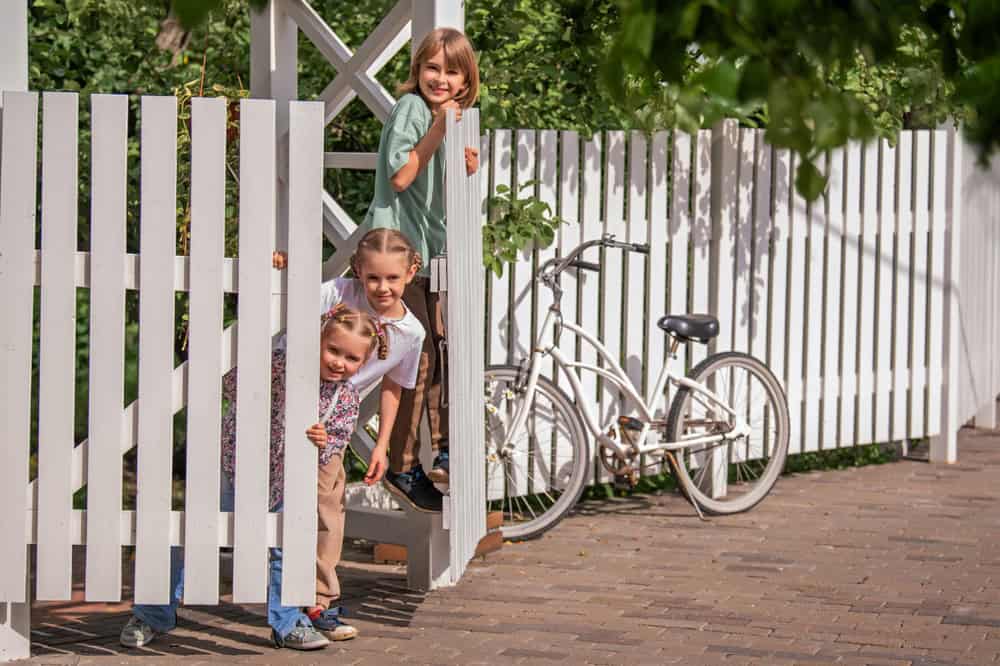
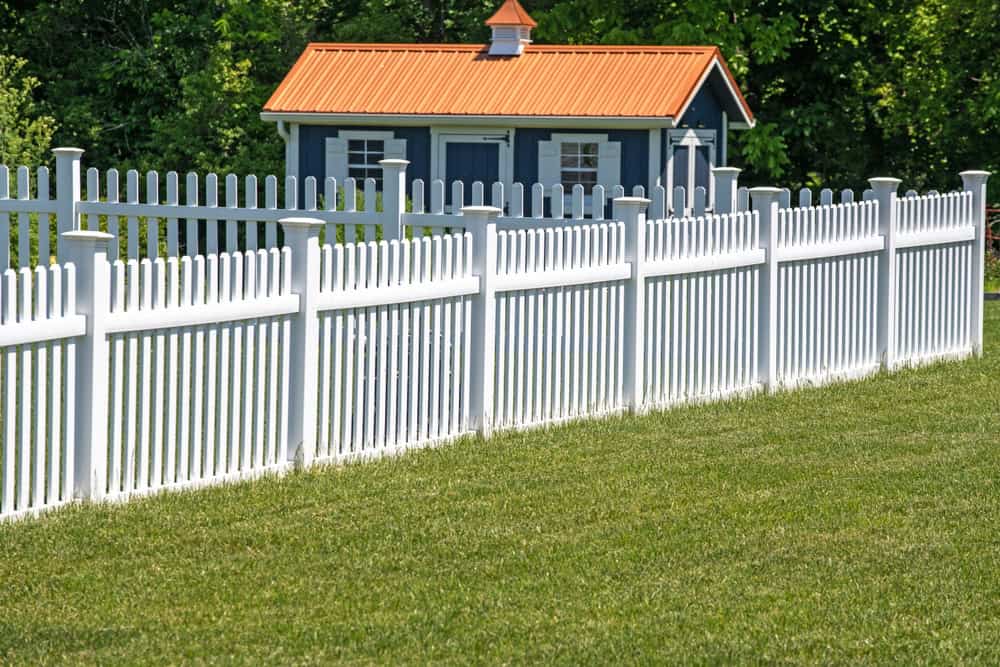
Your fence isn’t just sitting there looking good. It’s keeping your kids and pets safely in the yard while keeping everything else out. Privacy from neighbors who are a little too close. Protection when the next storm rolls through—and in Central Florida, that’s not a matter of if, but when.
You’re also looking at real property value. A properly installed privacy fence can add anywhere from 30% to 70% return on your installation cost. That’s not marketing talk—that’s data from Angi based on actual appraisals. If you spend $3,200, you’re looking at $950 to $2,400 added to your home’s value.
And if your HOA has rules—and most do around Bryn Mawr—you need someone who knows how to navigate approvals without delays or costly mistakes. We’ve done this enough times to know what flies and what doesn’t. You get a fence that checks every box: durable, compliant, and built to handle Florida’s humidity, storms, and salt air without rotting, rusting, or falling apart in five years.
We started in Atlanta in 1992, building custom wood fences and estate gates for residential clients. After twelve years, we moved to Central Florida in 2004 because the market needed someone who actually knew what they were doing. That was twenty years ago.
Since then, we’ve installed fences across Lake, Orange, Seminole, Brevard, Volusia, Osceola, Polk, Sumter, and Marion counties. Bryn Mawr sits right in our service area, and we know the soil conditions, the wind exposure, the HOA requirements, and what materials hold up here versus what fails in three years. We’re licensed, bonded, and insured—not because it sounds good, but because it protects you if something goes wrong.
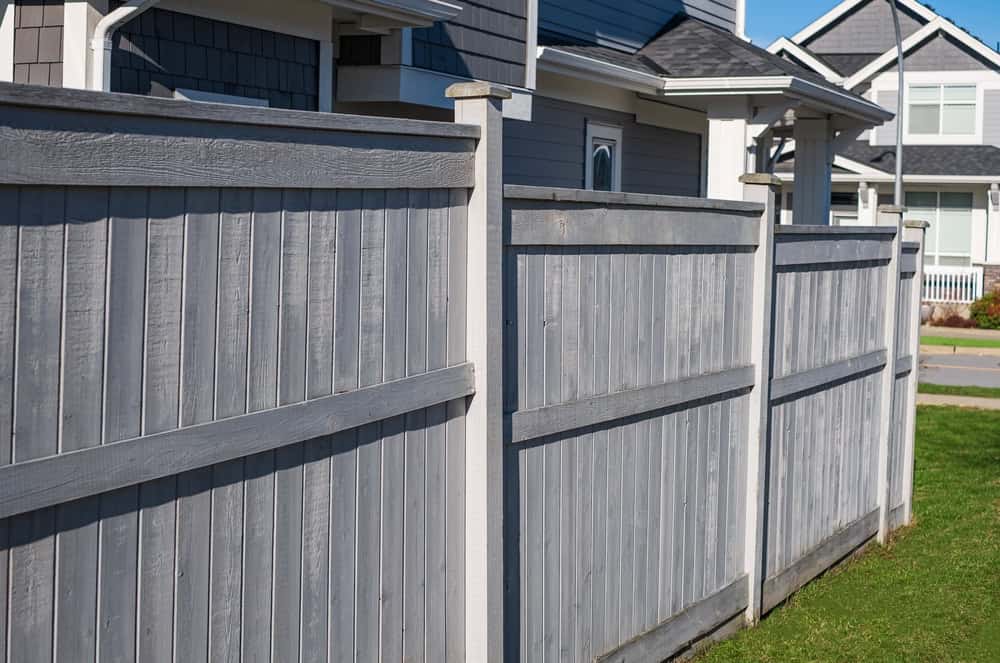
First, we come out and assess your property. We’re looking at your yard layout, any grade issues, where your property lines actually are, and what your HOA allows if that applies. We’ll talk through material options—wood, vinyl, aluminum, chain link—and what makes sense for your budget and how you’re using the space.
Once you approve the plan and pricing, we handle permits and HOA submissions if needed. No surprises, no waiting around wondering what’s happening. Then we schedule installation based on weather and your availability.
On install day, our crew shows up on time with everything they need. Posts get set at least three feet deep in concrete—that’s non-negotiable in Florida if you want your fence standing after a storm. We clean up when we’re done. Your yard doesn’t look like a construction zone when we leave. You get a fence that’s plumb, secure, and built to last, plus a warranty that actually means something if there’s ever an issue.
Ready to get started?
You’re getting materials that make sense for Central Florida. Vinyl and aluminum won’t rust or rot in our humidity. Pressure-treated wood is properly sealed against moisture and termites. Chain link gets the right gauge to handle wind load. Every post is set deep and anchored in concrete—not surface-mounted or half-buried like some crews do to save time.
We’re also handling the paperwork. Permits, HOA approvals, property line verification—it’s all part of the process. You’re not figuring that out on your own or dealing with fines later because something wasn’t submitted right.
Installation includes cleanup and a final walkthrough. We’re not leaving until you’re clear on how everything works, how to maintain it, and what’s covered under warranty. Bryn Mawr properties often have specific drainage or grade challenges, especially near wetland areas. We account for that during layout so your fence isn’t sitting in standing water or pulling away from posts after the first heavy rain. If you’re near Lake Maitland or one of the smaller lakes in the area, we’re factoring in soil saturation and wind exposure from open water. It matters.

At least three feet deep, set in concrete. That’s the standard for Central Florida if you want your fence surviving hurricane-force winds. Shallow posts—18 inches or less—might look fine for a year or two, but they’re coming out of the ground when sustained winds hit 60+ mph.
The soil around Bryn Mawr has a lot of sand and clay mix, which doesn’t hold posts as well as denser soil types. Concrete counters that. We’re also accounting for frost line requirements and local building codes, which vary slightly depending on whether you’re in Orange County or Seminole County limits.
If someone quotes you a price that seems way lower than everyone else, ask how deep they’re setting posts and whether they’re using concrete. If they’re not, you’re paying for a fence that won’t last. It’s not about upselling—it’s about physics and Florida weather. Posts need depth and concrete to stay put.
Vinyl and aluminum are your best bets for low maintenance and longevity. Neither one rusts or rots, which matters in Florida’s humidity and salt air. Vinyl privacy fences are popular in Bryn Mawr because they give you full coverage, require almost no upkeep, and handle storm exposure well when installed correctly.
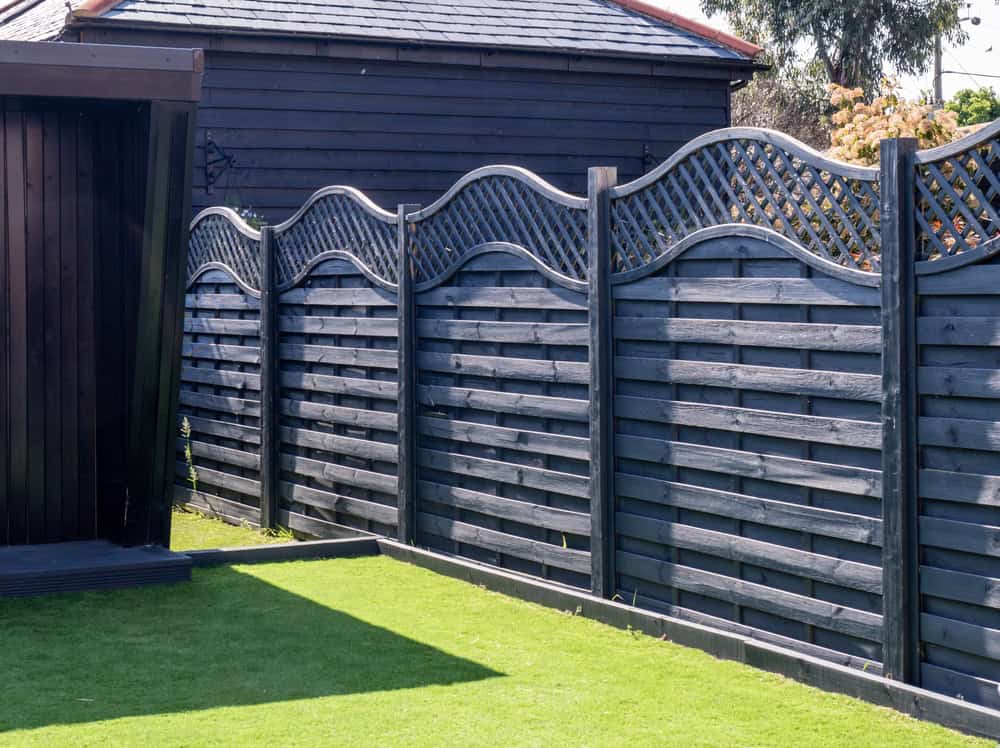
Aluminum works great for pool enclosures or decorative fencing where you want airflow and visibility. It won’t corrode like iron or steel, and it’s lightweight without being flimsy. Wood can work if it’s pressure-treated and properly sealed, but you’re looking at more maintenance—staining, sealing, checking for termites. Wood also takes a beating in heavy rain and wind if it’s not installed with the right bracing and post depth.
Chain link is durable and budget-friendly, but you need the right gauge for wind resistance. A lighter gauge chain link fence can warp or pull away from posts during storms. We spec the right materials based on what you’re trying to accomplish and how much maintenance you’re willing to do long-term.
If you’re in an HOA community—and many Bryn Mawr neighborhoods are—yes, you need approval before you start. Skipping that step can result in fines, forced removal, and in some cases, legal action from your HOA. It’s not worth the risk.
Most HOAs have specific rules about fence height, material, color, and style. Some won’t allow chain link in front yards. Others require white or tan vinyl instead of wood. We’ve handled enough HOA submissions in Central Florida to know what typically gets approved and what doesn’t. We can walk you through the process, submit the required documents, and handle any back-and-forth with your HOA board.
Approval timelines vary—some HOAs respond in a week, others take a month. We factor that into your project timeline so you’re not stuck waiting with no idea when installation can start. If your HOA has specific architectural guidelines, we’ll make sure your fence design complies before we submit anything.
It depends on material, height, length, and site conditions. A basic chain link fence runs less than a vinyl privacy fence, which costs less than a custom wood fence with decorative caps and gates. You’re typically looking at anywhere from $15 to $45 per linear foot installed, depending on what you choose.
Vinyl privacy fences usually fall in the $25 to $35 per foot range. Aluminum fencing runs $20 to $40 per foot depending on style and height. Wood fencing ranges from $15 to $30 per foot, but remember you’ll have ongoing maintenance costs with wood that you won’t have with vinyl or aluminum.
Site conditions also affect cost. If your yard has a steep grade, heavy vegetation, or difficult access, that adds labor time. If we’re dealing with rocky soil or need to work around existing landscaping, that factors in too. We give you transparent pricing upfront—no hidden fees or surprise charges after the fact. You’ll know exactly what you’re paying before we start, and that number doesn’t change unless you change the scope of the project.
It can, depending on your insurance carrier and policy. Some Florida insurers offer discounts when you install a privacy fence because it adds a layer of security and reduces liability risk. A fenced yard means fewer chances of someone wandering onto your property and getting hurt, which matters to insurance companies.
You’ll need to report the fence installation to your carrier and ask specifically about discounts. Not all policies include this, but enough do that it’s worth a phone call. Even if you don’t get a discount, a fence can still reduce your overall risk exposure, which can help during policy renewals or claims.
One thing to note: insurance doesn’t always cover fence replacement after a hurricane. That’s why investing in a properly installed, hurricane-resistant fence matters. If your fence is built right—deep posts, concrete anchoring, quality materials—it’s far more likely to survive a storm intact, which saves you from paying out of pocket for a full replacement later.
Most residential fence installations take one to three days, depending on the size of your yard and the type of fence. A straightforward 150-foot privacy fence in a flat yard with easy access can be done in a day or two. Larger properties, complex layouts, or fences with multiple gates take longer.
Weather also plays a role. If it’s pouring rain or we’re in the middle of a storm system, we’re not pouring concrete or setting posts. Florida weather is unpredictable, especially in summer, so we build some flexibility into the schedule. We’ll give you a realistic timeline upfront and keep you updated if anything changes.
HOA approval and permitting can add time before installation starts—sometimes a week, sometimes a month, depending on how fast your HOA and local building department move. Once we’re cleared to start, the actual installation moves quickly. We’re not dragging the job out or leaving your yard torn up for weeks. You’ll have a finished fence and a clean yard faster than you’d expect.
Other Services we provide in Bryn Mawr