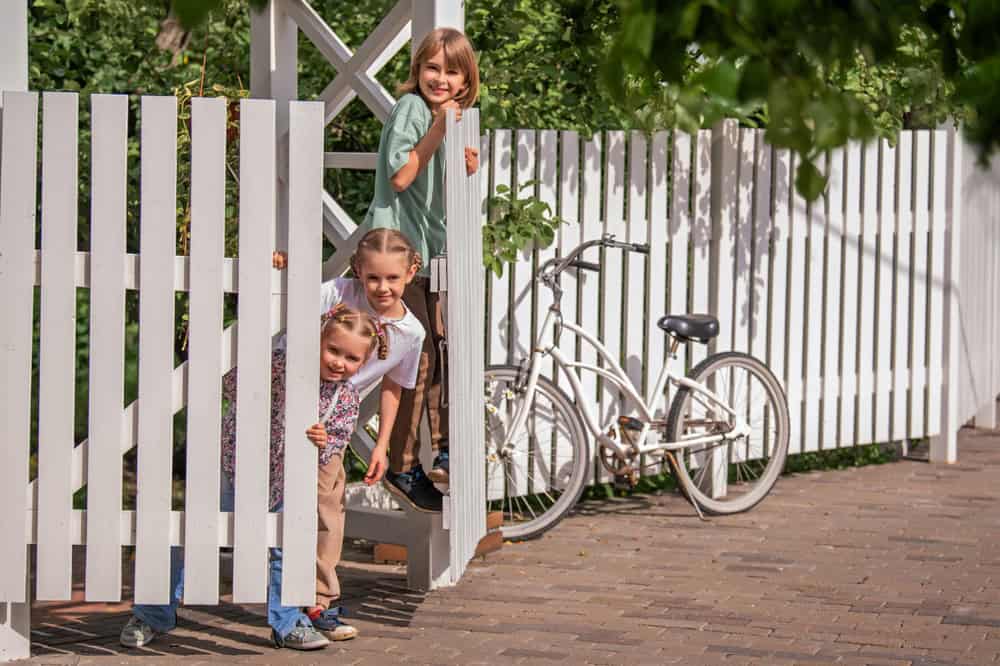
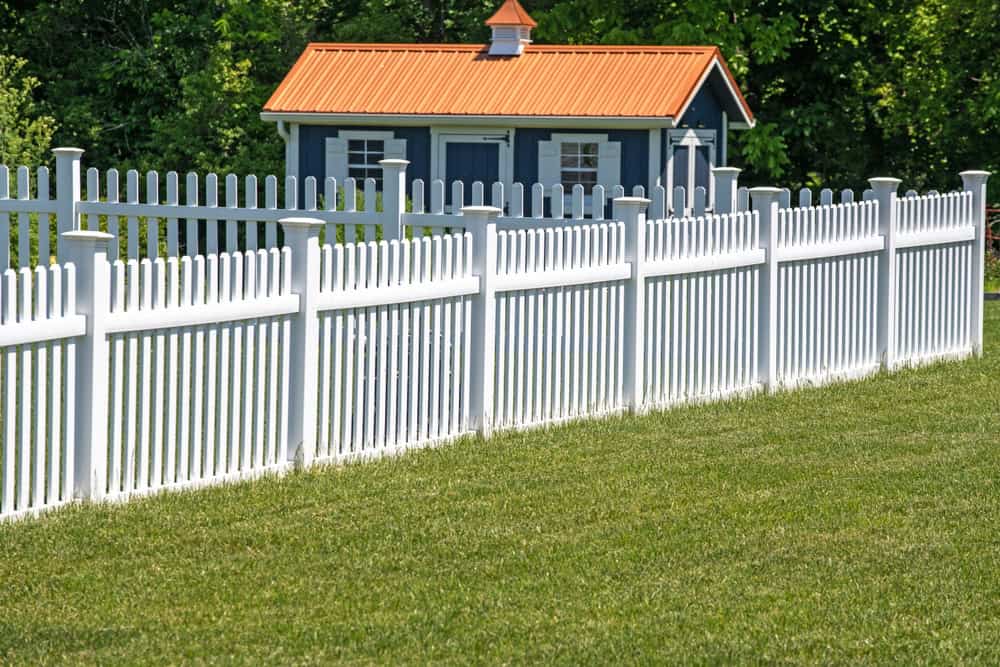
You’re not just getting a fence. You’re getting a barrier that keeps your kids and pets safe in the yard without you constantly checking the perimeter. You’re getting privacy for those weekend cookouts where you don’t want the neighbors watching every move.
And you’re getting something that won’t fall apart when the next storm rolls through. Because in Central Florida, that’s not a question of if—it’s when.
The fences we install use materials that handle moisture without rotting, wind without snapping, and sun without warping. Posts go deep, set in concrete, because the ground shifts and termites don’t take breaks. Our installation process accounts for Florida’s expansion and contraction cycles, so your fence doesn’t buckle when temperatures swing.
You’ll also see an increase in property value. Buyers look for homes with functional, well-installed fencing. It signals security, privacy, and that the property was maintained correctly.
Mossy Oak Fence LLC serves Lake County and the surrounding Central Florida area, including Eldorado. We understand what happens to fences in this climate because we’ve been installing them through hurricane seasons, summer storms, and everything in between.
You’re working with a residential fencing contractor that’s licensed and insured in Florida. That matters when you’re dealing with permits, HOA approvals, and code requirements that vary by county. We handle the process correctly from the start, so you’re not dealing with compliance issues later.
Our focus stays on your property and your timeline. Installations happen quickly to minimize disruption, and you’re kept informed at every step. No surprises, no hidden fees, no guessing what happens next.
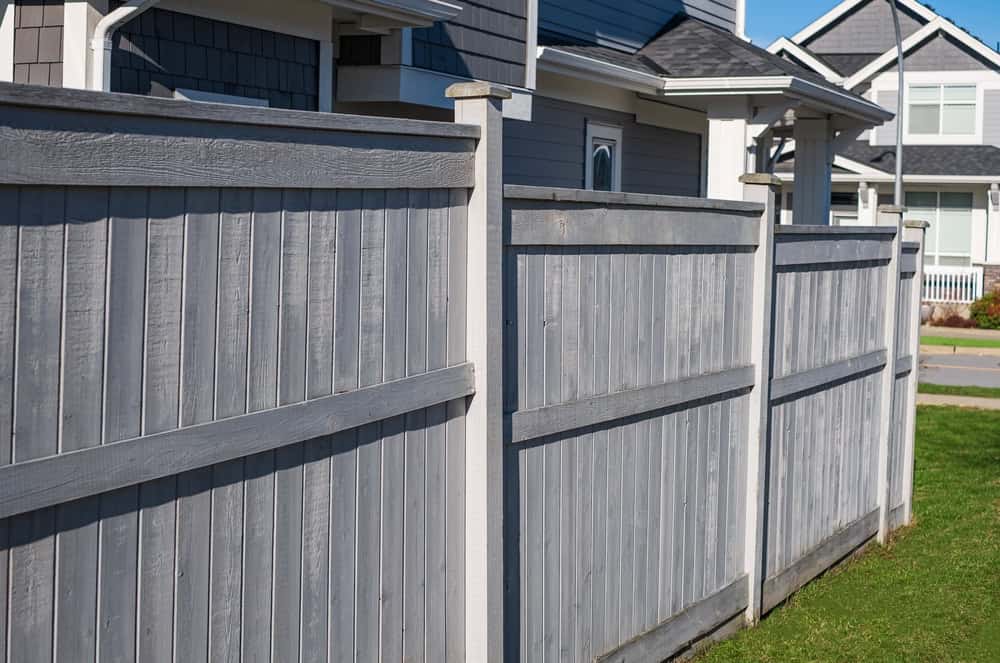
It starts with a free consultation and estimate. You’ll get a walkthrough of your property to assess the layout, discuss what you need the fence to do, and go over material options. That’s where you decide between wood, vinyl, aluminum, or chain link based on your priorities—privacy, security, budget, or maintenance level.
Once you approve the estimate, the permitting process begins. If you’re in an HOA, that approval gets handled too. You’re not left figuring out city codes or boundary limits on your own.
Installation day involves setting posts first. They’re anchored deep and secured in concrete, especially important in Florida where soil shifts and termites are a constant threat. Then the panels or pickets go up, checked for level and alignment as the work progresses.
After installation, you get a walkthrough to make sure everything meets your expectations. We clean up the site, and you’re left with a fence that’s ready to handle whatever Florida throws at it. If you ever need repairs or adjustments down the line, those services are available too.
Ready to get started?
You’re getting materials selected specifically for Florida’s climate. Pressure-treated wood for termite resistance. Vinyl that doesn’t warp in heat or crack under UV exposure. Aluminum that won’t rust in humidity. Each material is chosen based on how it performs long-term, not just how it looks on day one.
The installation includes proper post depth and concrete anchoring, which is critical in Eldorado and the rest of Lake County where soil conditions and storm risks demand it. You’re also getting a fence design that allows airflow—important for hurricane resistance—while still providing the privacy or security you need.
For pool areas, the fencing meets Florida’s safety codes. For properties with pets, the height and gap spacing keep animals contained. If you’re dealing with an estate gate or custom entry, that gets built to match your property’s aesthetic while maintaining structural integrity.
Transparent pricing means you know the cost upfront. No surprise charges for “extra work” that should’ve been included from the start. And if your existing fence needs repair instead of full replacement, that’s an option too. Sometimes a few posts or panels are all that need attention, and you shouldn’t pay for a whole new fence if you don’t need one.

Vinyl and aluminum are your best bets for low maintenance and weather resistance. Vinyl doesn’t rot, doesn’t need paint, and handles moisture without breaking down. It also flexes slightly in high winds instead of snapping, which helps during hurricanes.
Aluminum won’t rust, even in Florida’s salty, humid air. It’s lighter than steel but still strong enough for security and boundary fencing. If you want the look of wrought iron without the rust issues, aluminum delivers.
Wood can work if it’s pressure-treated and maintained. You’ll need to reseal or restain it every few years, and even then, it’s more vulnerable to termites and rot than vinyl or aluminum. But if you prefer the natural look and don’t mind the upkeep, it’s still a solid choice when installed correctly.
Posts should go at least two feet deep, sometimes deeper depending on soil conditions and fence height. In Florida, shallow posts are a recipe for failure. The ground shifts with moisture changes, and storm winds put serious lateral pressure on fences.
Setting posts in concrete adds stability and slows down termite damage. The concrete creates a barrier that makes it harder for termites to reach the wood, though it’s not a complete solution—that’s why pressure-treated wood matters too.
For taller fences or those in high-wind areas, posts may need to go even deeper. The goal is to anchor the fence so it stays upright through storms, not just under normal conditions. Proper depth and concrete setting are non-negotiable if you want a fence that lasts.
Yes, most fence installations in Lake County require a permit. The county has specific codes about fence height, setback from property lines, and placement near roads or easements. If you’re in a neighborhood with an HOA, you’ll need their approval too, which often involves submitting plans and waiting for board review.
Skipping the permit process can lead to fines, and you might be forced to remove or modify the fence later. It’s not worth the risk or the hassle.
We handle the permit application as part of the installation process. We know what the county requires, what documentation to submit, and how to avoid delays. You shouldn’t have to figure out zoning codes or track down HOA board members on your own.
Most residential fence installations take one to three days, depending on the size of your property and the type of fence. A straightforward backyard privacy fence usually wraps up in a day or two. Larger properties, custom gates, or complex layouts take longer.
Weather can cause delays, especially during Florida’s rainy season. If the ground is too saturated, post installation gets pushed back to avoid stability issues. But once work starts, it moves quickly.
The timeline also depends on permits and HOA approvals. Those can add a week or more before installation begins, but we handle that upfront so you’re not waiting around once the crew is ready to start. You’ll get a clear timeline during the estimate so you know what to expect from start to finish.
Cost depends on material, fence height, and total linear footage. Vinyl privacy fences typically run higher upfront but require almost no maintenance. Wood fences cost less initially but need regular upkeep. Aluminum falls somewhere in the middle.
For a standard six-foot privacy fence, you’re looking at a range that varies based on those factors. The best way to get an accurate number is with an on-site estimate where the property gets measured and your specific needs get assessed.
Cheaper quotes often mean shortcuts—thinner materials, shallow posts, or skipped steps that lead to problems later. You’re better off paying for a fence that’s installed right the first time than dealing with repairs or full replacement in a few years. Transparent pricing means you see exactly what you’re paying for, with no hidden fees tacked on at the end.
It depends on the damage. If a few posts are rotted or a section got knocked down in a storm, repair is usually the smarter move. Replacing individual posts or panels costs a fraction of a full fence and can extend the life of the rest of the structure.
But if the fence is old, with widespread rot, leaning posts, or structural issues throughout, replacement makes more sense. Patching up a failing fence just delays the inevitable, and you’ll end up spending more in repeated repairs than you would on a new installation.
During an inspection, you’ll get an honest assessment of what’s salvageable and what’s not. If repair works, that’s the recommendation. If the fence is beyond saving, you’ll know why and what a replacement involves. No upselling, just a straightforward evaluation based on the actual condition of your fence.
Other Services we provide in Eldorado