You’re looking at your property line thinking about privacy, security, or maybe just keeping the dog from wandering. Whatever the reason, you need a fence that can handle Florida’s humidity, summer storms, and the occasional hurricane without falling apart in three years.
That’s what happens when installation is done right. Posts set deep enough to stay put. Materials chosen for Central Florida’s climate, not just what’s cheapest. A fence line that’s level, secure, and built to code the first time.
Your home value goes up. Your yard becomes more usable. And you’re not dealing with repairs or replacements every few years because someone cut corners during installation.
We serve Highland Park and the surrounding Seminole County area with residential and commercial fencing services. We install wood, vinyl, aluminum, chain link, and custom estate gates for properties across Central Florida.
Our team handles the permit process, works around your schedule, and shows up when we say we will. No surprise costs. No drawn-out timelines. Just straightforward work from people who’ve been doing this long enough to know what holds up in Florida and what doesn’t.
Highland Park homeowners deal with the same challenges as the rest of Central Florida: storm season, high humidity, and the need for fences that look good without constant maintenance. We get it because we work here.
You reach out, and we schedule a time to walk your property. We measure, discuss what you’re looking for, and talk through material options based on your needs and budget. You’ll get a clear price breakdown before any work starts.
Once you approve, we handle permits if needed and schedule installation around your availability. Our crew shows up with the right materials and equipment, sets posts properly, and installs your fence to manufacturer specs and local building codes.
Installation time depends on the size and type of fence, but most residential projects wrap up in a few days. We clean up the work area, walk the finished fence with you, and make sure everything meets your expectations before we leave. If something needs adjusting, we handle it then, not weeks later.
Ready to get started?
You’re getting materials that work in Florida’s climate. Vinyl fences that won’t warp in the heat. Aluminum with powder coating that resists salt air and humidity. Chain link with galvanized or vinyl coating to prevent rust. Wood that’s pressure-treated and sealed properly from day one.
Highland Park sits in Seminole County, where most homes are owner-occupied and property values matter. A well-installed fence adds curb appeal and functionality without becoming a maintenance headache. That means choosing the right height for privacy without blocking airflow during storms, using materials that meet Florida Building Code wind load requirements, and installing gates that actually work smoothly year after year.
We also handle fence repairs and replacements when storm damage or wear finally catches up. Leaning posts get reset. Damaged panels get replaced. Rusted hardware gets swapped out. You’re not stuck replacing an entire fence if only part of it needs work.

Chain link and properly installed aluminum fences handle high winds better than most other options. Wind passes through chain link without creating resistance, which is why you see it still standing after storms that flatten privacy fences. Aluminum fences with individual pickets also allow wind to move through instead of acting like a sail.
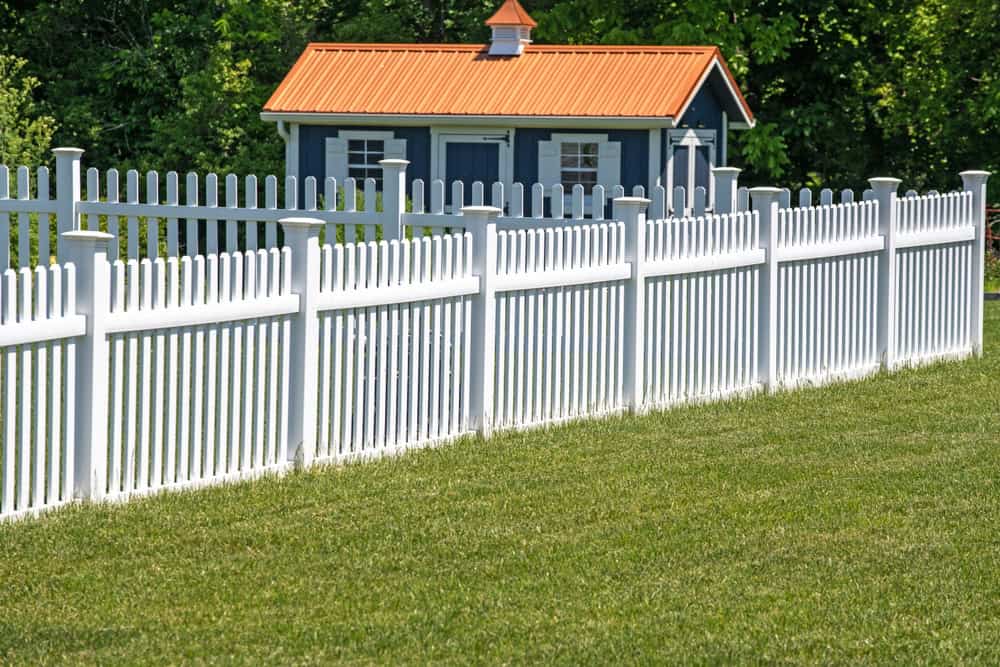
If you want a privacy fence in Highland Park, vinyl is your best bet over wood. It won’t rot in humidity, and quality vinyl fencing can flex slightly in high winds without cracking. The key is professional installation with posts set deep enough and concrete footings that meet wind load requirements for Seminole County.
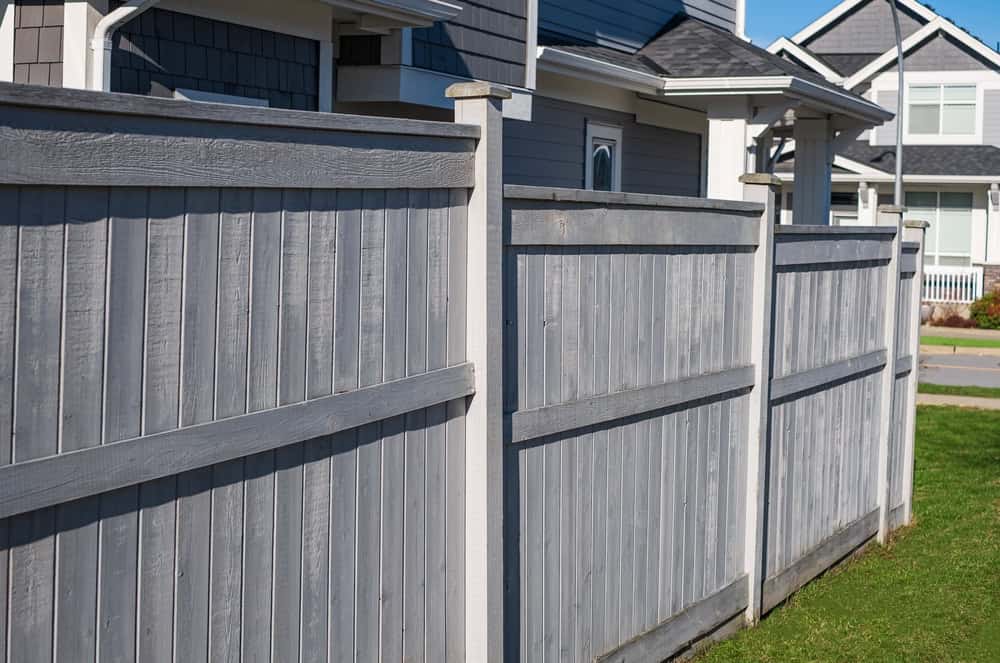
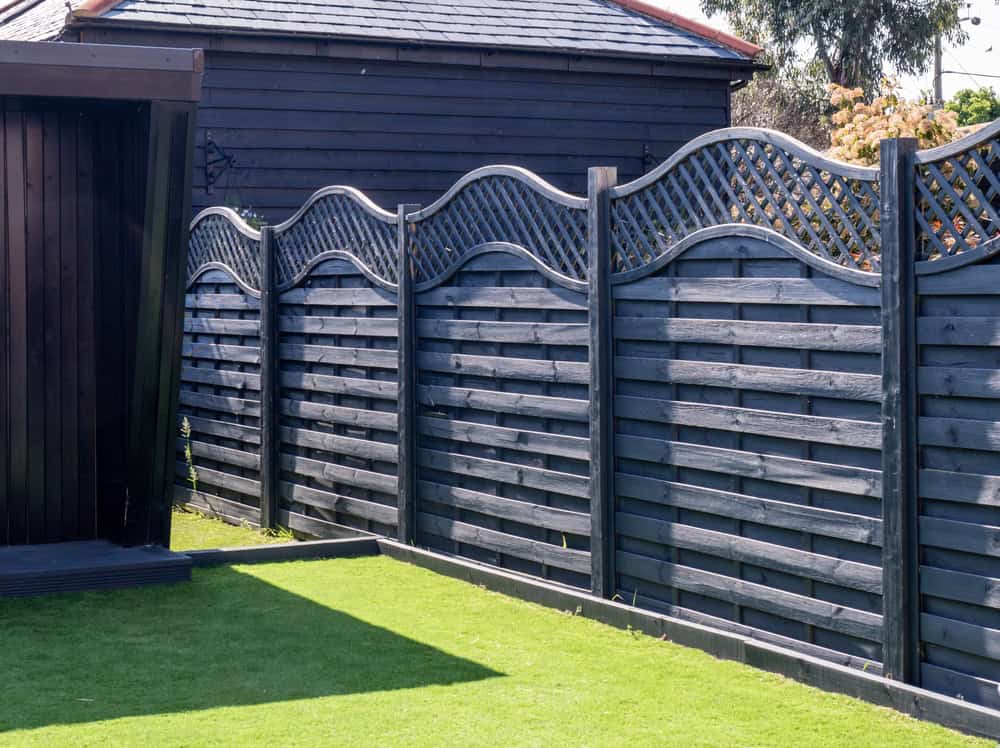
Wood privacy fences look great but take the most damage in storms. If you go with wood, expect more maintenance and a shorter lifespan in Florida’s climate. We install all three types, and we’ll tell you honestly what makes sense for your property and budget.
Most residential fence installations take two to four days depending on the size of your property and the type of fence. A simple chain link fence around a quarter-acre lot might be done in two days. A vinyl privacy fence with gates on a larger property could take four or five days.
Weather can slow things down, especially during Florida’s summer afternoon storms. We don’t set posts in saturated ground or install fencing in high winds. That just leads to problems later. If we have to pause for weather, we’ll let you know and reschedule the next available day.
The permit process adds time before installation starts. Seminole County typically processes fence permits within a few days, but it varies. We handle the permit application and let you know the timeline upfront so you’re not waiting around wondering when work will start.
Yes, most fence installations in Highland Park require a permit from Seminole County. The county wants to make sure fences meet setback requirements, height restrictions, and wind load standards. Setbacks determine how close your fence can be to property lines, roads, and easements.
Height limits depend on whether your fence is in the front yard, side yard, or backyard. Front yard fences typically max out at four feet, while backyard fences can go up to six feet in most residential zones. Corner lots have additional restrictions because of sight line requirements at intersections.
We handle the permit application as part of our service. You’ll need a property survey or plot plan showing your lot dimensions, and we’ll submit the application with our installation plans. Skipping the permit might seem easier, but it can cause major problems if you sell your home or if a neighbor complains. The county can make you remove an unpermitted fence, and you’re out the cost of installation.
Vinyl fencing costs more upfront, usually 20% to 40% higher than wood for the same footage. A wood privacy fence in Highland Park might run $15 to $25 per linear foot installed, while vinyl runs $20 to $35 per linear foot depending on style and height.
But wood requires staining or sealing every two to three years in Florida’s climate. That’s $500 to $1,500 each time for a typical residential fence, plus your time or the cost of hiring someone. Vinyl needs occasional cleaning with a hose and maybe some soap. Over ten years, the maintenance costs on wood add up to more than the initial savings.
Wood also needs repairs more often. Boards warp, rot sets in at ground level, and posts can deteriorate even when pressure-treated. Vinyl lasts 20 to 30 years with minimal issues if it’s installed correctly. If you’re planning to stay in your Highland Park home long-term, vinyl makes more financial sense. If you’re selling in a few years, wood might be fine.
It depends on how much damage there is and what caused it. If a few boards are broken or a post is leaning, repairs usually make sense. We can replace damaged sections, reset posts, fix gates that are sagging, and swap out rusted hardware without tearing out the whole fence.
If more than 30% of your fence is damaged, or if the posts are rotting at ground level, replacement is often the better move. Repairing a fence that’s falling apart in multiple places ends up costing almost as much as a new fence, and you’re still left with old sections that’ll need work soon.
Storm damage is common in Highland Park, especially after hurricanes or severe thunderstorms. We’ll walk your fence line, show you what can be repaired versus what needs replacing, and give you pricing for both options. Sometimes a partial replacement makes sense where you replace the damaged section with new materials and leave the rest alone.
Fence posts in Central Florida should be set at least two feet deep, and three feet is better for taller fences or areas with sandy soil. Highland Park’s soil conditions vary, but most residential properties have sandy or loamy soil that doesn’t hold posts as firmly as clay.
The depth matters because Florida’s wind loads are higher than most states. Posts that aren’t deep enough will lean or pull out during storms. We set posts in concrete for stability, and the concrete footing needs to extend below the frost line and be wide enough to resist uplift forces from wind.
Corner posts and gate posts need to go even deeper, usually three feet minimum, because they handle more stress. Gates create leverage on posts every time they open and close, and corner posts anchor the entire fence line. Skimping on post depth is the number one cause of fence failure in Florida, and it’s not something you can easily fix after installation without tearing everything out.
Other Services we provide in Highland Park