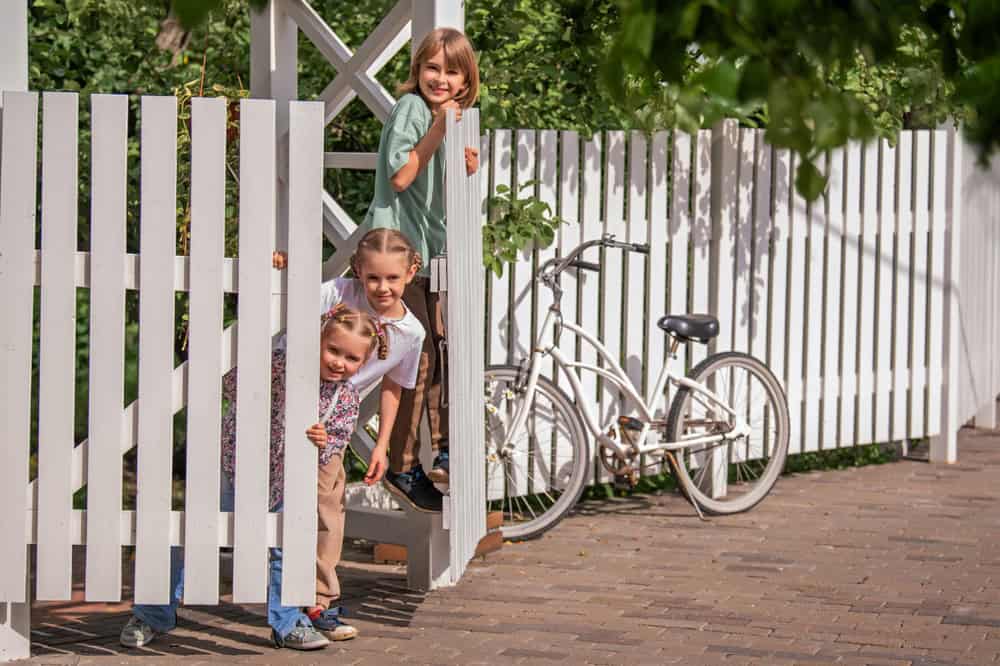
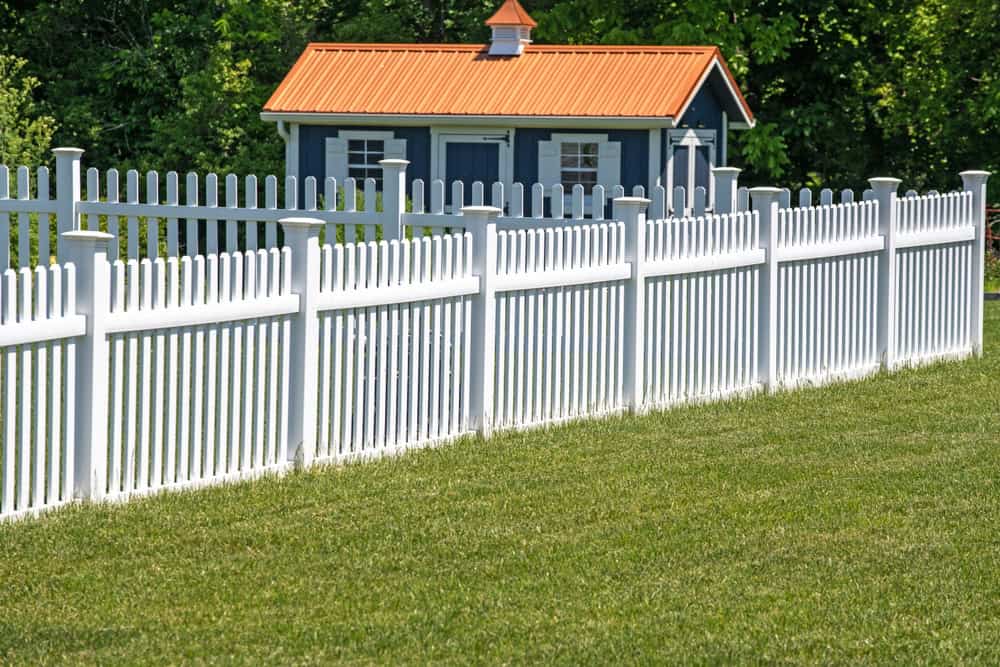
Your fence isn’t just a property line. It’s what keeps your kids and pets safe in the yard, what gives you privacy from neighbors, and what protects your home when wind speeds hit 80 mph with gusts over 100.
In Mariners Village, FL, where the median home value sits at $398,563 and families make up 67% of households, you’re not looking for the cheapest option. You’re looking for something that won’t become dangerous debris in the next storm or need replacing in three years because the installer cut corners.
A properly installed privacy fence means posts buried three feet deep in concrete, materials rated for hurricane zones, and installation that meets Florida building codes. That’s the difference between a fence that protects your property and one that damages it when the weather turns.
We serve Orange County and the surrounding Central Florida area with residential and commercial fence installation. We work with wood, vinyl, aluminum, chain link, and custom estate gates.
Our team understands what it takes to build fencing that survives Florida’s climate. That means knowing which materials resist UV damage and salt air, how deep posts need to go in sandy soil, and what your insurance company requires for pool fencing compliance.
We’ve been installing fences across Mariners Village, FL and nearby communities long enough to know that transparency matters more than a sales pitch. You’ll get clear pricing, realistic timelines, and installation done by people who’ve handled hundreds of Florida properties.
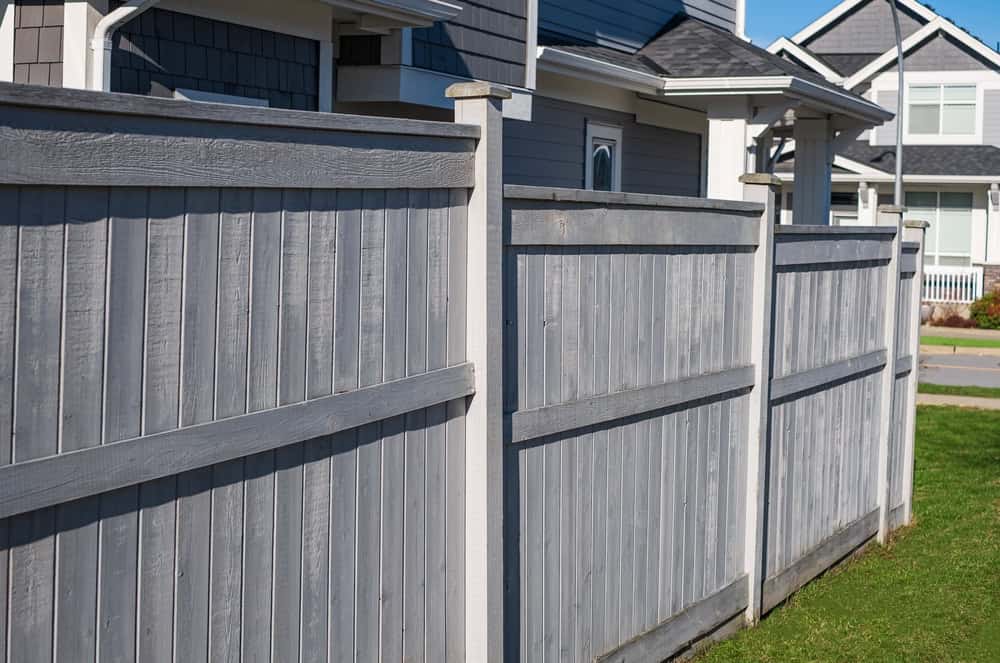
First, we come out to look at your property. We’ll measure the area, check for any drainage or grade issues, and talk through what you’re trying to accomplish—whether that’s privacy, security, curb appeal, or all three.
Then we walk you through material options. Vinyl holds up well in humidity and won’t rot. Aluminum resists corrosion and comes powder-coated for Florida’s sun. Wood gives you a natural look but requires more maintenance. We’ll explain what each costs upfront, with no hidden fees.
Once you approve the quote, we handle permits if needed and schedule installation. Our crew sets posts in concrete at the proper depth, installs rails and pickets or panels, and cleans up the site when we’re done. You’ll know the timeline before we start, and we keep you updated if anything changes.
After installation, we do a final walkthrough to make sure everything meets your expectations and local code requirements. If you ever need repairs down the line, we’re a call away.
Ready to get started?
Every fence we install in Mariners Village, FL starts with materials designed for this climate. That means vinyl that won’t crack in heat, aluminum with polyester powder coating stronger than enamel, and wood treated to resist rot and insects.
Your installation includes posts set at proper depth with concrete anchoring, which is critical in Central Florida’s sandy soil and hurricane-prone weather. We’re talking about three feet minimum, sometimes deeper depending on fence height and wind load requirements.
For pool fencing, we follow Florida’s safety guidelines to the letter: barriers between 5-6 feet tall with gaps no larger than 4 inches. This isn’t just about passing inspection—it’s about keeping kids safe and making sure your homeowners insurance covers what it should.
You’ll also get installation that considers your property’s specific challenges. If you’re in a community with HOA rules, we’ll make sure your fence meets those requirements. If you’ve got drainage concerns or uneven terrain, we’ll address that before we start digging.

Aluminum and vinyl fences perform well in high winds because they’re designed with wind load in mind. Aluminum fencing manufactured for Florida typically comes double-coated in polyester powder that resists corrosion and impact. Vinyl won’t rust or rot, and quality vinyl products are engineered to flex slightly in wind rather than snap.
Solid wood panel fences act like sails in hurricane-force winds, which makes them riskier unless you go with a design that allows wind to pass through. Chain link is another solid option for storm resistance, though it obviously doesn’t provide privacy.
The material matters, but installation matters more. Even the strongest fence fails if posts aren’t deep enough or concrete anchoring is rushed. In Mariners Village, FL, where storms are a regular concern, you want posts buried at least three feet with proper concrete setting time before any stress is applied.
Most Florida homeowners insurance policies cover fences under “other structures,” which typically provides coverage up to 10% of your home’s coverage limit. So if your home is insured for $400,000, you’d have up to $40,000 in coverage for structures like fences, sheds, and detached garages.
The catch is that coverage depends on what caused the damage. Hurricane and wind damage are usually covered, but you’ll need to check your specific policy for exclusions. Some policies have separate wind/hail deductibles that are higher than your standard deductible.
If your fence becomes a liability—say it blows into a neighbor’s property and causes damage—your homeowners liability coverage may apply. That’s another reason to invest in proper installation upfront. A fence that’s built to code and installed correctly is less likely to fail and create insurance headaches later.
Three feet is the standard minimum depth for fence posts in Florida, but that can vary based on fence height, soil conditions, and local wind load requirements. For a six-foot privacy fence in Mariners Village, FL, you’re looking at posts that go three to four feet deep with concrete anchoring.
Central Florida has sandy soil in many areas, which doesn’t hold posts as firmly as clay or dense soil. That’s why concrete is essential—it creates a solid anchor point that won’t shift when wind or ground saturation puts pressure on the fence.
If you’re installing a taller fence or one in an area with known high winds, going deeper than three feet isn’t overkill. The goal is to prevent the fence from being ripped out of the ground during a storm, which happens more often than you’d think with shallow or improperly set posts.
Vinyl fences don’t rot, warp, or need painting, which makes them low-maintenance in Florida’s humid, rainy climate. They’re also resistant to insects and won’t deteriorate from salt air if you’re near the coast. Quality vinyl products hold up well in storms and won’t splinter or crack under normal conditions.
Wood fencing gives you a more natural look and can be customized with different stains and finishes. Cedar and redwood resist rot better than standard pine, but all wood requires maintenance in Florida—sealing, staining, and checking for damage from moisture and UV exposure.
Cost-wise, vinyl typically runs higher upfront but saves you money over time because you’re not repainting or replacing boards every few years. Wood costs less initially but you’ll spend more on upkeep. If you’re in Mariners Village, FL and want something that looks good without constant maintenance, vinyl or aluminum usually makes more sense than wood.
Most residential fence installations in Mariners Village, FL take two to five days depending on the size of your yard, the type of fence, and whether we run into any complications like underground utilities or difficult terrain.
A straightforward privacy fence around a quarter-acre lot usually wraps up in two to three days. Larger properties, custom gate installations, or projects that require significant ground prep can take longer. We’ll give you a realistic timeline during the estimate so you know what to expect.
Weather can delay things, especially during Florida’s summer storm season. We won’t pour concrete if heavy rain is forecasted because it affects curing time. If we need permits from Orange County or your HOA, that adds time upfront before installation starts. We keep you updated throughout the process so you’re never guessing when we’ll be done.
It depends on your fence height, location, and whether you’re in an HOA community. Orange County typically requires permits for fences over a certain height, and there are setback requirements that dictate how close to property lines you can build.
If you have a pool, Florida law requires specific fencing to meet safety codes, and that definitely involves permits and inspections. The fence needs to be a certain height with no gaps large enough for a child to slip through, and gates must be self-closing and self-latching.
HOA communities in Mariners Village, FL often have their own rules about fence style, height, color, and materials. You’ll need HOA approval before installation, which can take a few weeks depending on their review process. We handle permit applications as part of our service, so you don’t have to navigate county offices or HOA boards yourself.
Other Services we provide in Mariners Village