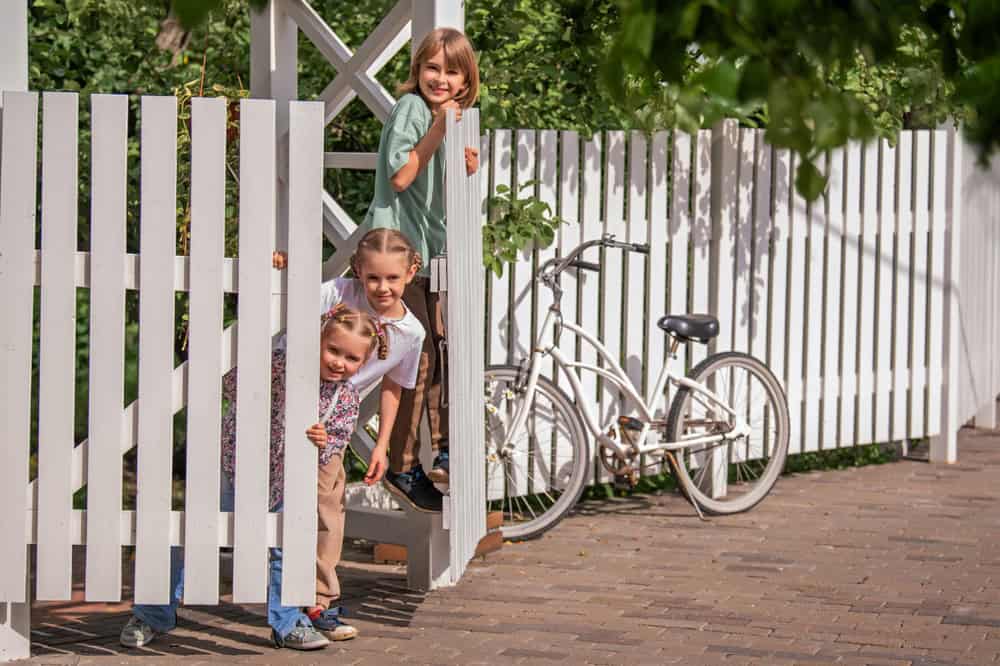
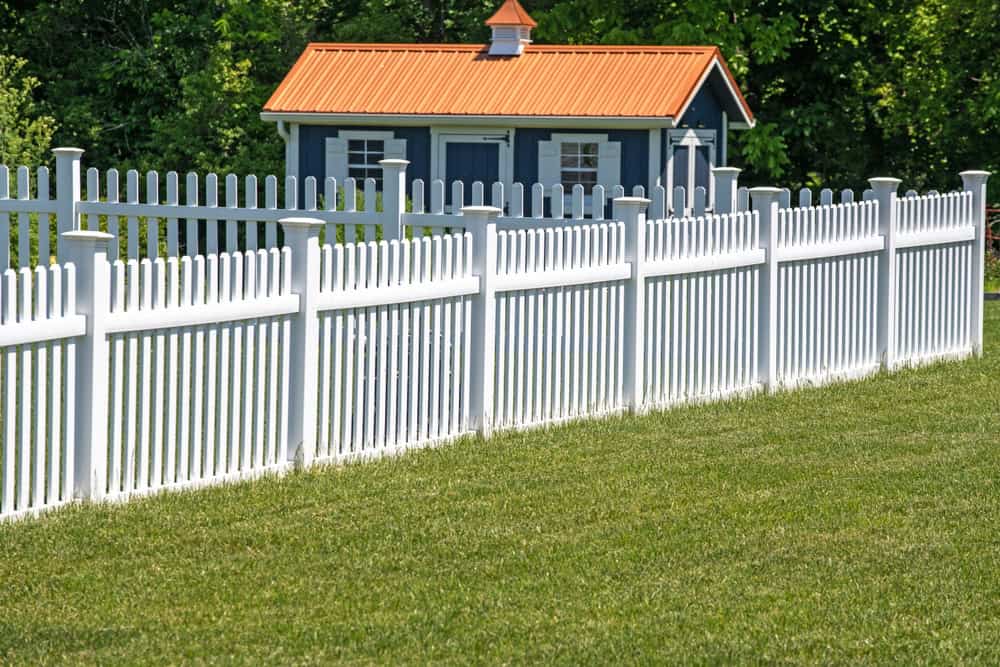
When your fence goes up, you’re not just marking boundaries. You’re adding a layer of security that keeps your family safe and your property private. You’re increasing your home’s value with materials that actually hold up in Florida’s climate instead of warping, fading, or falling apart after the first hurricane season.
The right fencing company in The Willows understands what matters to you. It’s not about the cheapest option—it’s about getting something that works long-term without constant repairs. Whether you need a privacy fence for your backyard or commercial fencing for your business, the installation should handle high winds, intense sun, and seasonal flooding without becoming your next headache.
You want to walk outside and feel good about what you see. A fence that looks sharp, functions properly, and doesn’t require you to become a maintenance expert just to keep it standing. That’s what quality fencing services deliver—peace of mind that your investment is actually protecting something.
We started in the Metro Atlanta market and have been serving Central Florida communities with quality fence installation since 2004. We’re licensed, bonded, and insured—covering Lake, Orange, Seminole, Brevard, Volusia, Osceola, Polk, Sumter, and Marion counties.
The Willows area includes both traditional residential properties and senior living communities, which means fencing needs vary widely. We handle everything from backyard privacy fences to commercial security installations, using materials that actually survive Florida’s subtropical conditions.
We’re not the company that disappears after installation or hides costs in fine print. Our pricing is transparent from the start, and our team manages the entire process so you’re not left guessing what happens next or when the job will actually be finished.
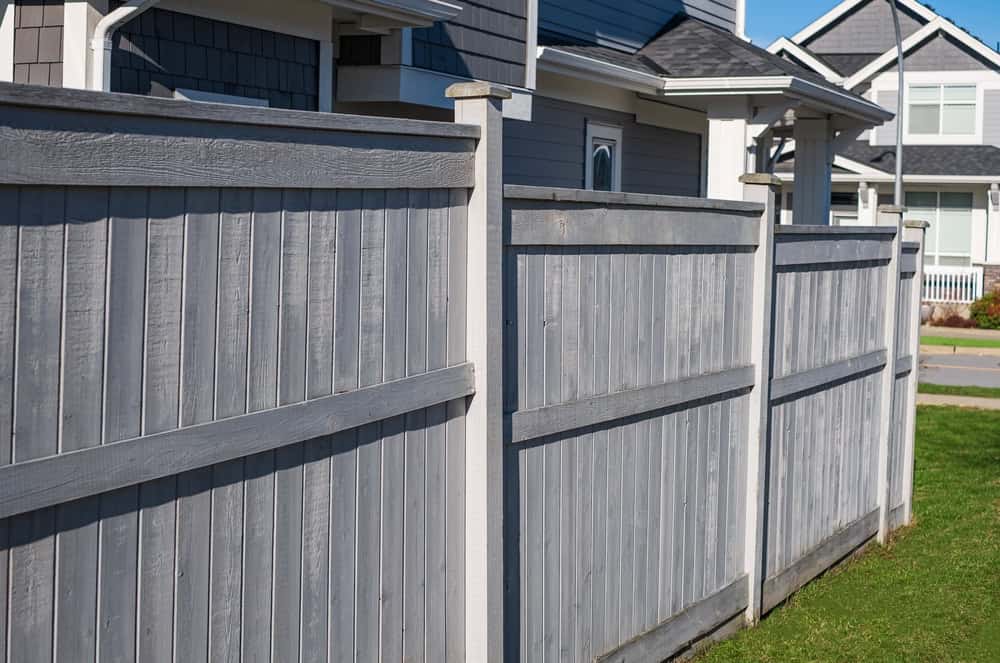
First, we sit down and talk through what you actually need. Not what we want to sell you—what works for your property, your budget, and your timeline. We discuss material options based on Florida’s weather patterns, your HOA requirements if applicable, and what kind of maintenance you’re willing to handle long-term.
Next, we handle the permit process. In many Florida counties, you need approval before putting up a fence, especially if it’s taller than standard limits. We manage the application, fees, and inspector coordination so you’re not stuck navigating city bureaucracy on your own.
Then installation happens. Our team shows up when we say we will, completes the work efficiently, and cleans up the site. We’re not dragging out a three-day job into three weeks. You get a fence that’s installed correctly the first time, using materials designed to withstand hurricanes, humidity, and UV damage.
After we’re done, you get warranty protection that actually means something. We stand behind our work because we use quality materials and experienced installers who know how to build fences that last in Central Florida’s climate.
Ready to get started?
We install wood, vinyl, aluminum, chain link, horse fencing, and estate gates. Each material serves different purposes, and in The Willows, the choice often comes down to how much weather resistance you need versus aesthetic preferences.
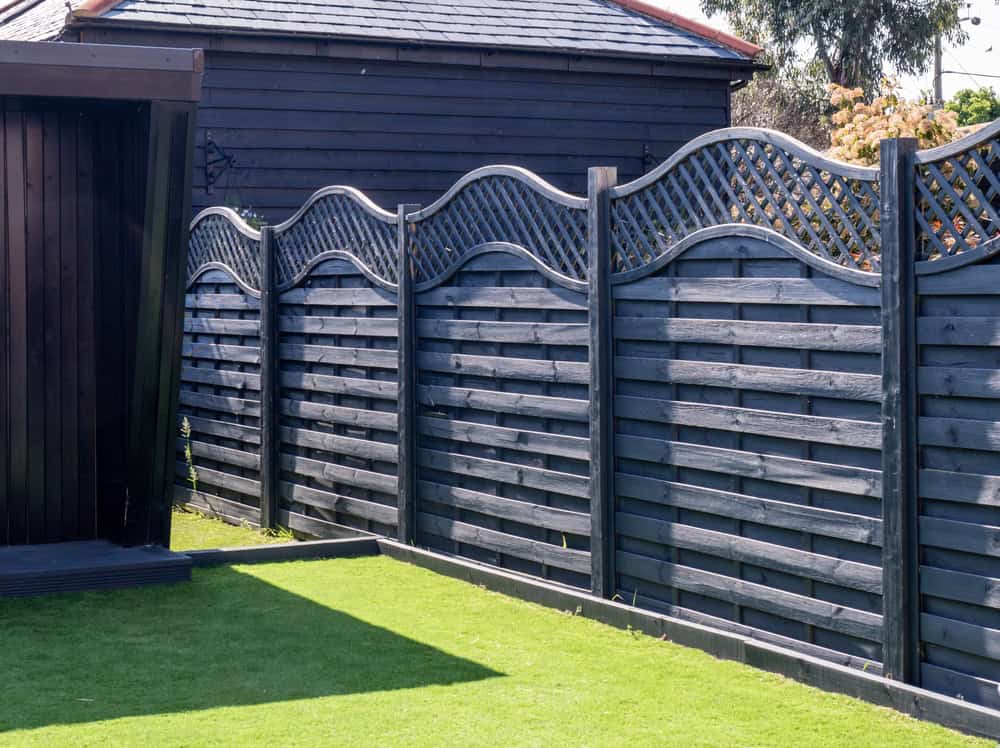
Vinyl and aluminum hold up best against Florida’s humidity and salt air without rotting or rusting. Wood offers a classic look but requires more maintenance in our climate—it absorbs moisture quickly and needs treatment to prevent deterioration. Chain link works for commercial properties or areas where visibility matters more than privacy.
The Willows sits in an area where hurricane preparedness isn’t optional. Our installations account for high wind loads and storm surge potential. We’re not just digging post holes and calling it done—we’re engineering each fence to handle the weather events that actually happen here, not just normal conditions.
You also get repair and replacement services when existing fences fail. Whether it’s storm damage, age-related wear, or poor installation from a previous contractor, we assess what’s salvageable and what needs replacing. Sometimes a full replacement costs less long-term than repeatedly patching a fence that was never built right in the first place.
Most residential fence installations take two to four days depending on property size, material choice, and site conditions. If your yard has challenging terrain, existing structures that need working around, or requires extensive post-hole digging in rocky soil, it might take longer.
Weather delays happen in Florida—we’re not installing during active thunderstorms or when ground conditions make proper installation impossible. Rushing through wet conditions leads to posts that shift and panels that don’t align correctly. You’d rather have it done right than done fast.
Permit approval adds time before installation starts. Some counties process applications within a few days, others take two weeks. We factor this into your timeline upfront so you know when to actually expect work to begin, not just when you wish it would start.
Vinyl and aluminum perform best in Central Florida’s humidity, UV exposure, and storm conditions. Vinyl doesn’t rot, rust, or require painting—it handles moisture without deteriorating. Aluminum resists corrosion from humidity and occasional saltwater exposure, plus it holds up well in high winds when properly installed.
Wood looks great initially but demands more maintenance here. Florida’s combination of intense sun, heavy rain, and humidity accelerates wear. You’ll need regular sealing or staining to prevent water absorption, warping, and rot. If you’re willing to maintain it, wood works—but most people underestimate how much upkeep Florida’s climate requires.
Chain link is the most affordable and requires almost no maintenance, but it doesn’t offer privacy. It works well for commercial properties, dog runs, or areas where security and visibility matter more than aesthetics. For residential privacy fences in The Willows, vinyl typically delivers the best balance of durability, appearance, and low maintenance.
Yes, most fence installations in Florida counties require permits, especially for fences over four feet tall. The permitting process involves submitting an application, paying fees, and getting approval from a city inspector before installation begins.
Requirements vary by county and sometimes by neighborhood. If you’re in an HOA community, you’ll need their approval in addition to the county permit. HOAs often have specific rules about fence height, style, color, and placement that override what the county allows.
We handle permit applications as part of our service because navigating city requirements isn’t something most homeowners want to figure out themselves. The process isn’t complicated, but it does require knowing which office to contact, what documentation they need, and how to fill out applications correctly the first time. Skipping permits leads to fines and potentially having to remove the fence entirely.
Residential fence installation typically ranges from $15 to $45 per linear foot depending on material choice, height, and site conditions. Chain link sits at the lower end, wood falls in the middle, and vinyl or aluminum costs more upfront but requires less maintenance long-term.
Your total cost depends on how many linear feet you’re fencing, whether your property has slopes or obstacles that complicate installation, and if you need gates or special features. A standard backyard privacy fence for a quarter-acre lot usually runs between $3,000 and $8,000 for quality materials and professional installation.
We provide transparent estimates after seeing your property and understanding what you need. No hidden fees for “unexpected” site conditions that any experienced contractor should anticipate. You’ll know the full cost before work starts, and that number doesn’t change unless you change the scope of the project.
Properly installed fences using appropriate materials and engineering can survive most hurricane conditions, but no fence is completely hurricane-proof. High winds, flying debris, and storm surge all pose risks. The key is building to minimize damage and make repairs manageable when storms do cause problems.
We install posts deeper than standard depth and use concrete footings designed for Florida’s soil conditions and wind loads. Panel attachments are reinforced to handle sustained high winds. Vinyl and aluminum flex under wind pressure instead of snapping like rigid materials, which helps them survive storms better than wood.
After major hurricanes, some damage is inevitable—but there’s a difference between a few panels that need replacing and a complete fence failure. Insurance may cover hurricane damage depending on your policy, though many homeowners find that paying for repairs out of pocket makes more sense than filing a claim and dealing with deductible costs and potential rate increases.
Vinyl and aluminum fences need minimal maintenance—occasional washing with soap and water to remove dirt, pollen, and mildew. Florida’s humidity encourages mildew growth on any outdoor surface, but it washes off easily and doesn’t damage the material itself.
Wood fences require more attention. You’ll need to inspect for moisture damage, apply sealant or stain every few years, and replace boards that start rotting. Florida’s climate accelerates wood deterioration, so what might last 20 years in a dry climate might need significant repairs after 10 years here.
After storms, walk your fence line and check for loose panels, leaning posts, or damage from fallen branches. Small issues are easy to fix immediately but turn into bigger problems if ignored. Catching a loose post early means tightening hardware—waiting until it’s fully compromised means replacing the entire post and possibly adjacent panels.
Other Services we provide in The Willows